

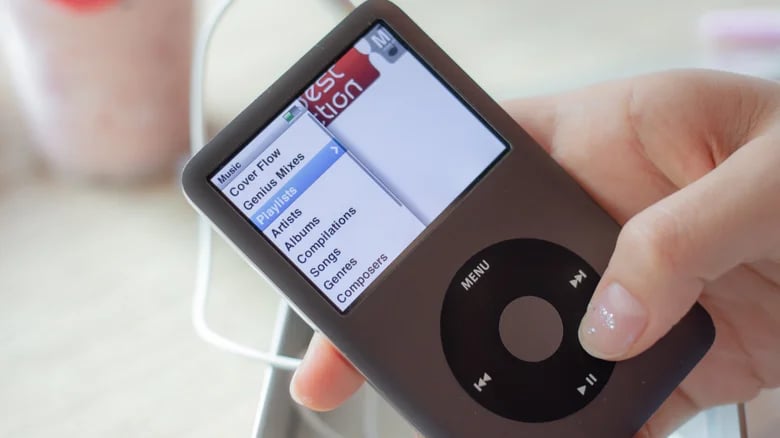

Step aside, Millennials. Your favorite nostalgic gadget is having an unexpected resurgence among a younger crowd.
The iPod, once deemed obsolete, has found new life among a generation raised on streaming: Gen Z. A recent Associated Press report shows a steady climb in resale demand, driven largely by younger users seeking a more intentional, distraction-free listening experience.
Apple discontinued the iPod in 2022, ending a 21-year run that saw more than 450 million units sold and dominated the world of digital music. Yet rather than fading into obscurity, the device is staging a comeback on resale platforms. Data cited across multiple reports show a growing demand, with searches for models like the iPod Classic and iPod Nano rising significantly.
Gen Z drives the revival
At the forefront of this movement are Gen Z users, many of whom were not even alive when the first iPod debuted in 2001 under Steve Jobs. But now, these young consumers are embracing the device’s limitations as strengths.
Unlike modern smartphones, most iPods cannot connect to the internet, run social media apps, or bombard users with seemingly endless notifications. For a generation increasingly concerned about screen time and mental health, that simplicity is appealing.
According to an AP report, more people are looking for ways to cut down on distractions and be more intentional with how they use technology. Today, the iPod’s stripped-down functionality feels almost refreshing compared to everything a modern phone tries to do, allowing users to focus purely on listening, without the temptation of scrolling or algorithm-driven feeds.
A break from algorithms and more control
At the same time, another factor fueling the comeback is control, as people are getting tired of algorithms deciding what they should listen to. Platforms like Spotify and Apple Music are built around recommendations, playlists, and sometimes ads. While convenient, this can also feel passive.
With an iPod, you have to choose your music yourself. You load songs manually, organize playlists, and live with those choices. It is a very present, hands-on experience, and for some users, it makes music feel more personal again, fostering a deeper connection to it.
There’s even a cultural angle to this. Some younger users say they’re trying to step back from the constant stimulation of smartphones, social media, and AI-driven content. The iPod aligns with this mindset, offering a single-purpose device, a form of digital minimalism in a world of multitasking-everything.
A practical ‘loophole’
There are also practical advantages to the iPod’s return. In certain places, like schools where smartphones are banned, iPods are sometimes permitted precisely because they lack internet connectivity. This creates a workaround “loophole” that allows students to listen to music without violating device restrictions.
Of course, with its upsides, this renewed interest also has a downside. Prices for secondhand iPods are now climbing. Some secondhand models are now surprisingly expensive, occasionally reaching hundreds of dollars. That puts them in competition with modern devices like the latest iPhones, which offer far greater functionality.
At this point, you could buy a modern smartphone with far more features — though that misses the point. Additionally, older iPods face hardware limitations, including aging batteries and outdated software.
Must-read Apple coverage
Keeping old tech alive
Still, a growing community of enthusiasts is working to extend the life of these devices. People are repairing old devices, swapping parts, and even upgrading them with new software. Sites like iFixit offer step-by-step guides for everything from battery replacements to storage upgrades.
There is a tinkering culture around iPods that didn’t really exist in the same way for newer Apple products. Some users install alternative firmware to unlock extra features, while others customize the look with new faceplates and components.
Will Apple bring it back?
The iPod’s growing popularity today raises an obvious question: Would Apple ever bring it back?
Whether Apple will respond to this renewed interest remains to be seen. Tony Fadell, a former Apple executive who led the iPod’s development, has suggested that a modernized version could succeed, one that keeps the simplicity but adds optional connectivity. So far, though, Apple hasn’t shown any signs of revisiting the idea.
For now, the iPod’s comeback is happening organically, with people deliberately choosing older technology. And in a world where devices keep getting more complex, the choice to return to the iPod’s single-purpose design says a lot.
For more on how Apple’s redesigned health features survived a years-long legal battle and what it means for users, check out this TechRepublic breakdown of the Apple Watch blood oxygen breakthrough.
Read the full article here