




Automakers keep shoving more tech into their cars, despite evidence that consumers are increasingly fed up with huge screens and glitchy software. In fact, the features that car owners appreciate the most happen to be the ones they barely notice, according to the latest tech survey from JD Power.
The consumer research firm surveyed 68,084 owners of new 2026 model-year vehicles after 90 days of ownership. The survey touched on 40 automotive technologies covering comfort and convenience; connected vehicles; driver assist; electric vehicles; and smart vehicles.
The features that scored the highest were the ones that were the most inconspicuous, like smart ignition, in which the vehicle automatically starts and turns off based on driver actions, or smart HVAC systems, which use AI to automatically adjust the cabin environment for maximum comfort and efficiency. These were the big winners in JD’s survey — mostly because they require the least attention from the driver. Smart ignition, in particular, delivered the highest overall satisfaction, with only 2.4 problems per 100 vehicles.
“For automakers, the opportunity is to prioritize technology that makes driving simpler, not more complicated,” Doron Hikry, director of customer success at JD Power, said in a press release. “The features that solve real problems without adding effort or stress for the driver are the ones resonating most with customers.”
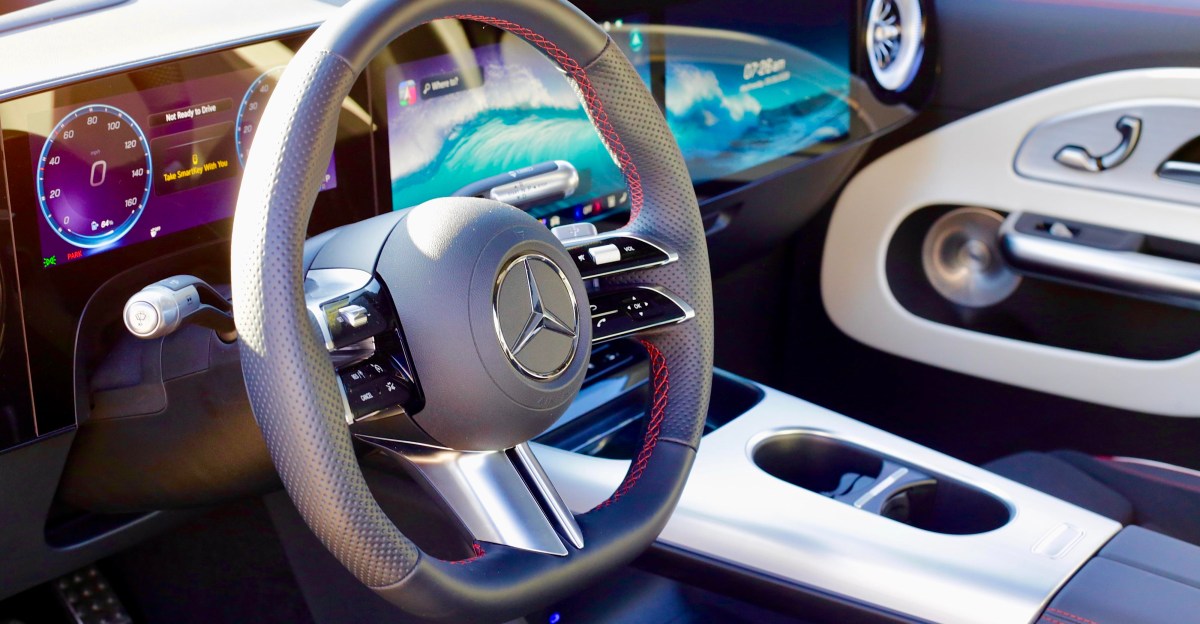
Superfluous tech features like passenger screens, in which an extra screen is embedded in the dash in front of passengers, rated the lowest in satisfaction. These screens first began cropping up in premium brands, like Mercedes, BMW, and Porsche, but have yet to bleed over to more mass-market vehicles. Apparently, they’re just wasted space on the dash, with more than one-third of owners who have a passenger screen reporting they’ve never tried to use it. Only 6 percent admitted to using their passenger screens every time they drive. Yikes.
Another tech feature that has more work to do in winning over customers is hands-free driving, also known as Level 2 Plus automation. These are features like Tesla’s Full Self-Driving, Ford’s BlueCruise, GM’s Super Cruise, and Mercedes’ Drive Pilot.
Unlike Level 2 systems, which require drivers to keep their hands on the steering wheel, these L2 Plus systems allow for completely hands-free driving on certain roads. Car owners told JD Power they preferred L2 systems in terms of design and quality of experience, suggesting that more automation does not necessarily mean more customer satisfaction. Interestingly, Level 2 systems were recording slightly higher problems per 100 vehicles (14.3) as L2 Plus ones (13.8).
“The results indicate that owners may currently be more comfortable with systems that clearly assist the driver rather than those that introduce a greater degree of automation,” said Hikry.
What these results suggest is that car owners don’t necessarily mind more technology in their vehicles, just as long as they don’t make the task of driving more complicated. The individual awards underscore this point: The Cadillac Escalade and Toyota Tundra both won for camera mirrors, while other automakers notched wins for blind-spot cameras, digital keys, one-pedal driving, and EV charging schedulers.
Read the full article here