






The opening keynote to Apple’s 2026 Worldwide Developer Conference has wrapped, and saying there’s a lot to unpack would be an understatement. Apple unveiled a brand new Siri experience, demonstrated more Apple Intelligence features, and even walked us through minor refinements we can expect to see across the iPhone, iPad, Mac, Vision Pro, and Apple Watch.
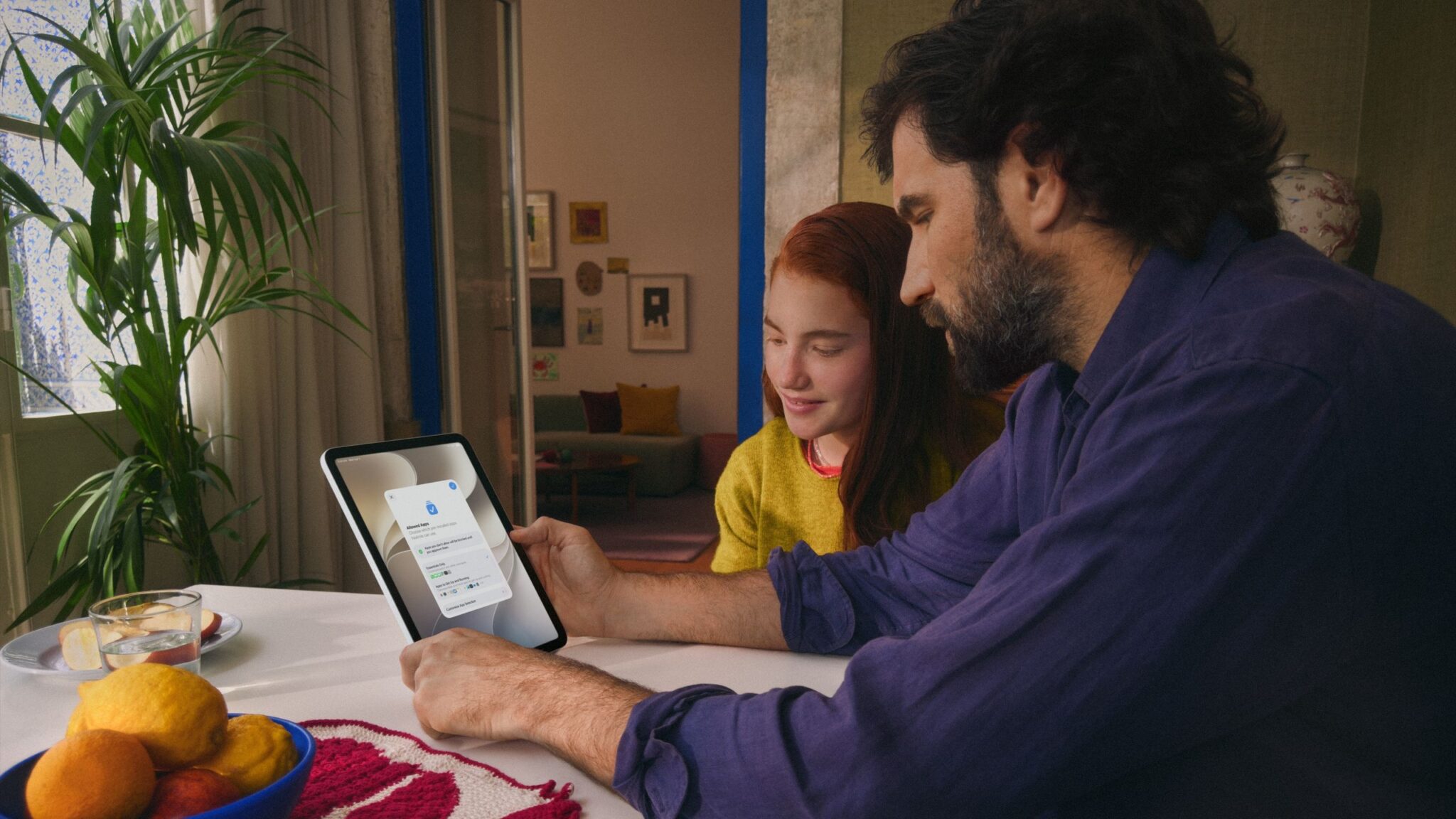
The announcements were primarily focused on AI features, of course, but Apple spent a few minutes walking us through a complete redesign of the parental controls across all its devices.
As a father of three — ages 14, 16, and 18 — I have been hoping for changes and improvements to Screen Time for well over 10 years now.

Screen Time upgrades are coming
There’s an entirely new sign-up experience for setting up a new device, specifically designed to create a child account. Apple will then take the age of the child and fine-tune the device’s safeguards and offer a curated list of apps based on that age. A child account is required for kids under 13, and is optional for kids aged 13-18.
Safeguards include blocking adult websites, age-restricting access to age-appropriate content, and enforcing age-based restrictions regarding apps the child can install on their device.
I got especially excited when I saw that kids will be able to send website requests, much like the download requests they can send now.
When my kids were younger, we tried limiting their contact list to something we could manage, but as their friend circle grew and they exchanged more and more contact information, managing it became incredibly frustrating and difficult. With this update, set to be released this fall to everyone and out now as a developer beta, the child can send a request to communicate with a new contact.
There are several more features Apple is adding, such as adding bonus time in apps, along with a complete redesign of the Screen Time interface, which is very exciting and should make it easy to get a sense of in-the-moment settings, usage, and limits at a quick glance.
With bonus time, I’ll no longer have to approve multiple time requests or edit limits with the intention of reverting them back the next day, but I’d ultimately forget.
It could all be for nothing, however
I hope parents take full advantage of all the additions and changes — but here’s the kicker: if Apple didn’t fix the underlying bugs in Screen Time that often allowed kids to get around the limits, all of it’s for nothing.
I’ve been playing whack-a-mole with my kids and them getting around Screen Time for years.
Just last week, I noticed my son had an increase in the amount of time he was spending in the Settings app on his iPhone. I’m not talking about going from nothing to five minutes. I’m talking about how he was spending anywhere from four to 16 hours in the Settings app.
Something was up, but I couldn’t quite figure it out. The usage limits I’d set for games and social media, along with his bedtime when his device effectively locks down, hadn’t been changed, but somehow he was in the Settings app all night long.
After a few days of this happening and his denying any knowledge of why it was happening, I did some Googling and discovered that when someone changes the date and time on their device, the Settings app often registers that change as app usage.
Why change his date and time? Because it tricks Screen Time into resetting his usage limits.
This was just the latest hiccup in my adventure with trying to keep my kids safe while also letting them be social.
Don’t even get me started on the years of pulling my hair out as Screen Time would randomly shut itself off or temporarily stop working for days at a time after an iOS update. And, of course, my kids would never say a word. I can’t blame them.
At one point, after months of accusing my son of figuring out some sort of hack to circumvent limits, Apple released a software update that explicitly addressed the exact bug. And boy, did I owe him a giant apology.
I’ve stuck with Screen Time because any third-party parental controls require a subscription and installing profiles on your kids’ phones — giving the company full access to your child’s activities, which has never sat right with me.
I’m hopeful Apple got the new Screen Time right for the next generation of young kids who are getting their first iPhones and iPads, but years of experience tell me not to bet against kids figuring out workarounds to pretty much anything in life, especially tech.
We have emailed Apple to ask if it’s harder to work around these, and will update when and if we hear back.
Follow TechRadar on Google News and add us as a preferred source to get our expert news, reviews, and opinion in your feeds.
Read the full article here