


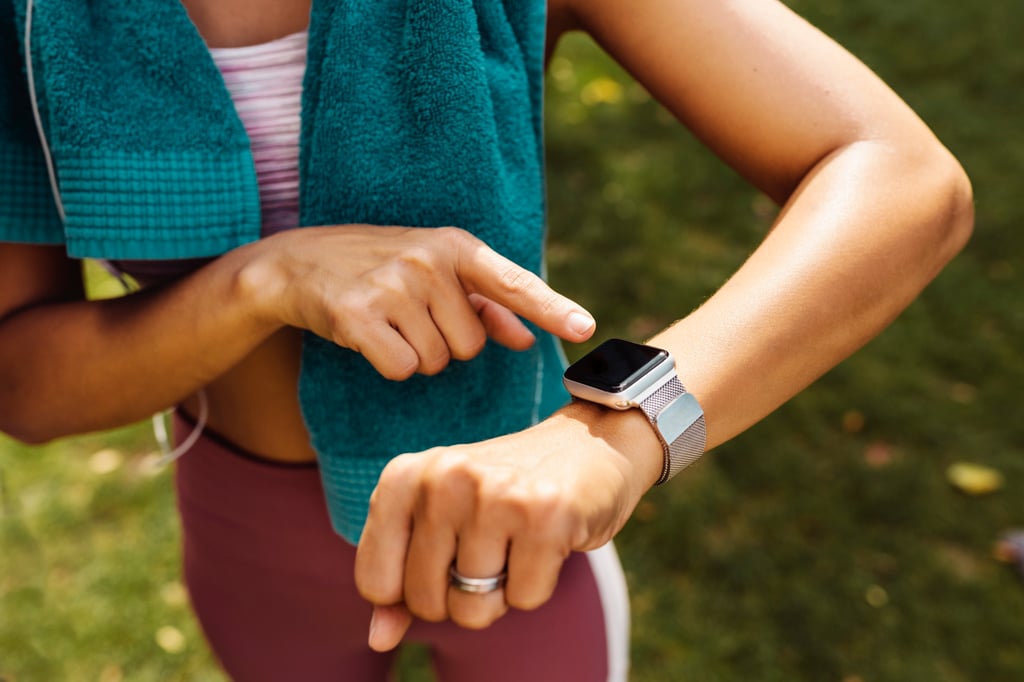

Apple Watch glucose monitoring is back in the spotlight, but the key question is not whether the device can show glucose data — it already can, when paired with compatible continuous glucose monitors.
The question is whether Apple is any closer to measuring blood glucose directly from the wrist. For organizations evaluating metabolic health tools, that remains a separate clinical, technical, and regulatory problem.
9to5Mac, citing Bloomberg reporting, said Apple shifted oversight of its long-running noninvasive glucose-monitoring project to Zongjian Chen, a senior engineering leader overseeing Apple’s Advanced Technologies Group.
CDC data updated Jan. 21, 2026, estimates that 115.2 million U.S. adults have prediabetes, while 27.6% of adults with diabetes — about 11 million people — are undiagnosed. That scale explains the commercial appeal of easier glucose tracking, not Apple’s launch timeline.
What Apple’s research does and does not show
Apple machine learning researchers have separately published work on using hemodynamic simulations and unlabeled clinical data to estimate cardiovascular biomarkers from photoplethysmography (PPG), an optical signal used in many wearables. The approach tracked changes in cardiac output and stroke volume better than a supervised baseline.
That research is relevant to noninvasive biosignal work, but it is not glucose monitoring. PPG can help infer cardiovascular changes from pulse-wave patterns, while glucose monitoring must estimate concentration through the skin and tissue, accounting for hydration, temperature, and calibration drift, Lux Research notes.
That is why current wearable blood sugar tracking still separates display from measurement. Garmin, Apple, and other wearables can show readings from compatible CGMs, but the glucose data still comes from a separate sensor. Garmin blood sugar tracking follows the same model: supported watches can show Dexcom readings, but the glucose data still comes from a separate sensor.
Other approaches, including near-infrared and mid-infrared spectroscopy, are advancing, but Apple has not published evidence of a working Apple Watch glucose sensor.
FDA clearance and accuracy remain the barrier
Glucose device performance is often compared using the mean absolute relative difference (MARD). Lux Research cites Abbott’s FreeStyle Libre 3 at 7.9% and Dexcom G7 at 8.2%, compared with 15% to 25% for the noninvasive prototypes it reviewed.
The FDA has warned consumers not to use smartwatches or smart rings that claim to measure blood glucose without piercing the skin. The agency says it has not authorized, cleared, or approved any smartwatch or smart ring for that purpose, and inaccurate readings could lead to dangerous treatment errors.
Any Apple Watch feature that claims to measure or estimate glucose would need clinical evidence strong enough for FDA review. Recent Apple Watch and AirPods health-feature expansions also show that health tools can roll out by region, not simply by hardware availability.
The consumer CGM market has also expanded. On March 5, 2024, the FDA cleared Dexcom Stelo as the first over-the-counter continuous glucose monitor, widening access beyond prescription-only devices.
Even if noninvasive glucose sensing becomes sufficiently accurate for consumer devices, enterprise buyers would still need to decide how to interpret glucose trends for people without diabetes. That creates program design and liability questions for wellness programs before clear standards exist.
For now, organizations that need reliable metabolic data already have cleared CGM options to evaluate on their clinical, privacy, and operational merits. Apple’s research is worth watching, but it is not yet a product signal.
Also read: Glucose tracking is becoming a broader health data platform as CGMs, AI tools, and wearable sensors move beyond diabetes care.
Read the full article here