



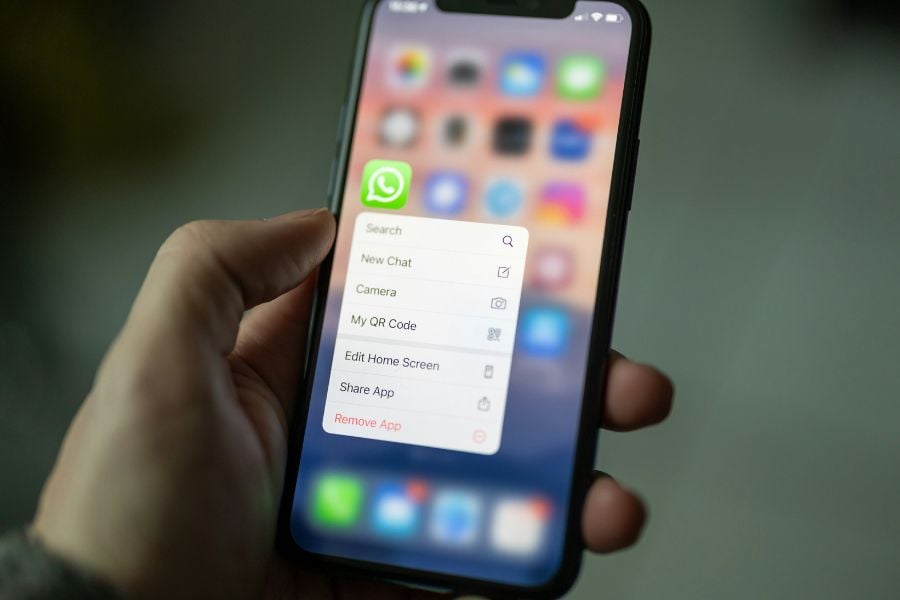

Meta is expanding WhatsApp beyond traditional messaging with a new set of features designed for tablets, desktops, and connected vehicles.
The latest update introduces an improved Apple CarPlay and Android Auto experience, standalone account setup for iPads, built-in PDF editing, and easier music sharing through WhatsApp Status.
While none of these new features are revolutionary on their own, together they show Meta’s planned trajectory for WhatsApp. The app is steadily becoming a central communications hub that follows users across phones, tablets, desktops, and even vehicle infotainment systems.
CarPlay and Android Auto receive a more capable WhatsApp experience
Perhaps the most stand-out change is the overhaul of WhatsApp’s integration with Apple CarPlay and Android Auto.
While WhatsApp has supported both platforms, the user experience has previously been fairly limited. Before, drivers could use WhatsApp primarily to compose messages or place calls through their vehicle’s interface. The latest updated experience, according to Meta, includes several new features designed to reduce the need to switch between applications.
Drivers can now enjoy the convenience of listening to incoming messages, replying using voice controls, reviewing recent call history, and quickly accessing favorite contacts directly from their vehicle’s dashboard. The expanded functionality makes conversations feel much closer to the full mobile app while keeping interactions hands-free for a safer experience.
As today’s connected vehicles become more sophisticated, consumers increasingly expect their favorite apps to work just as well in the car as on their phones, without requiring them to take their eyes off the road.
iPad launches standalone account registration
Another long-requested feature is finally arriving for iPad owners.
Since launching a dedicated iPad app last year, the service required users to link the tablet to an existing phone as a companion device. However, many users wanted the flexibility to create an account directly from their iPad instead.
That option is now available.
A phone number is still required during registration to receive the one-time verification code. However, once setup is complete, the iPad functions as a standalone device instead of acting as a companion to a smartphone.
Although this change won’t eliminate the need for a phone number altogether, it does simplify setup and gives users greater flexibility, particularly those who primarily communicate from tablets or prefer separating work and personal devices.
Productivity features continue to expand
Meta is also adding a couple of features designed to keep users inside the WhatsApp platform for longer.
Users can now open PDF documents directly inside WhatsApp on web and desktop without downloading them first. Once the document is opened, users can also make simple edits, including highlighting text and adding annotations.
The editing capabilities remain relatively basic, but they reflect Meta’s continued investment in making WhatsApp more useful for everyday productivity. While the editing tools are relatively basic, they reduce friction when reviewing shared contracts, reports, or other documents inside WhatsApp.
The company is also adding music sharing to WhatsApp Status. Users can now share songs directly from Apple Music or Spotify, allowing friends and contacts to see what they’re currently listening to in a format similar to social media stories.
Both of these additions reinforce Meta’s broader goal of making WhatsApp a place where users communicate, collaborate, and share content without constantly jumping between different apps.
What’s hot at TechRepublic
This latest release follows a steady stream of updates WhatsApp has introduced over the past few months.
Earlier in the summer, Meta rolled out usernames, which allowed people to connect without sharing their phone numbers. The company also introduced WhatsApp Plus, a subscription service offering premium features including profile customization, enhanced reactions, Status insights, and additional personalization options.
These releases suggest Meta is focusing less on adding flashy standalone features and more on making WhatsApp feel complete across every device people use. Additionally, they illustrate Meta’s effort to evolve WhatsApp from a traditional messaging application into a broader communications ecosystem.
The latest updates may not transform WhatsApp overnight, but they reinforce Meta’s strategy of making the app a persistent communications layer across phones, tablets, desktops, and vehicles. That broader ambition—not any single feature—may ultimately define WhatsApp’s next phase.
Other News: Meta is reportedly developing an internal AI model router, codenamed Switchboard, that automatically sends simpler tasks to lower-cost models to reduce inference costs and improve AI efficiency.
Read the full article here