

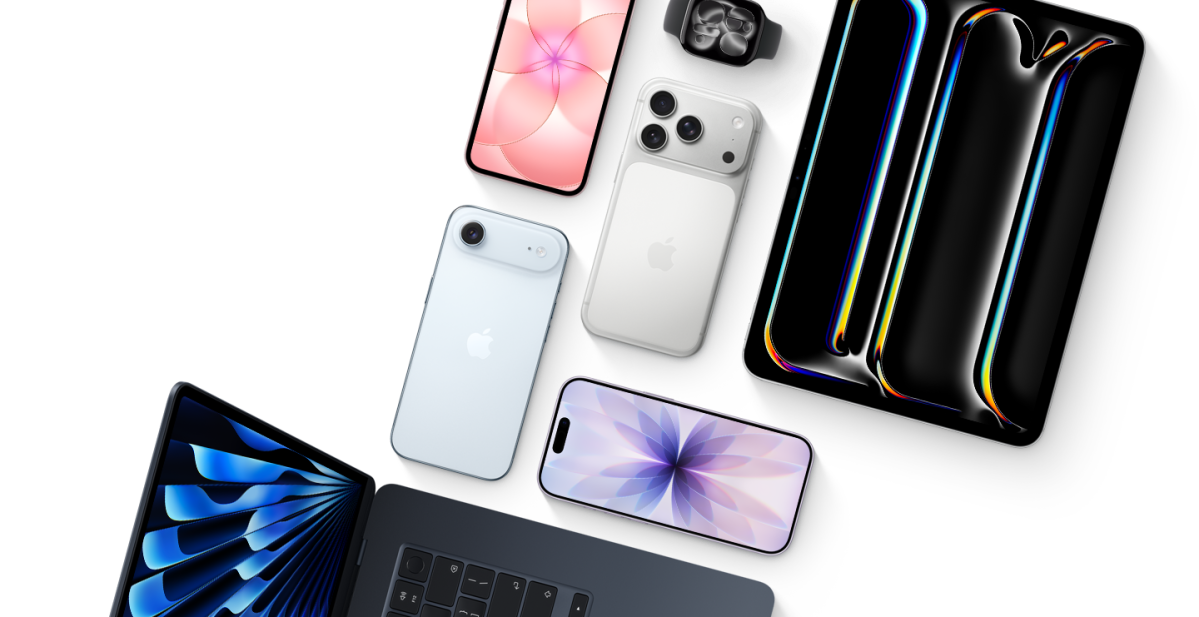

Apple’s new Upgrade program is here, allowing you to lease select models of iPhones, iPads, Macs, and Watches with a relatively low monthly payment. The company promises you won’t pay more than the full price of the device over the course of the one- to three-year lease, and in some cases, you’ll pay hundreds of dollars less.
The basics of the program make it sound like an amazing deal… so surely there must be a catch, right?
The answer basically depends on how you use the Upgrade Program. At least with current pricing, a diligent user really should be able to make a monthly payment, swap in their phone a year or more later, and move along. But like any program involving monthly payments and trade-ins, there are caveats to be aware of — the most important of which is your ability to keep paying on time throughout the length of the contract.
The basics of the program work like this: You’ll pay the same monthly fee throughout the course of your contract. At the end of your lease, you have three choices. One of those options is to purchase the device by paying the difference between what you’ve paid and its remaining cost. For example, if you pay $695.76 to lease an iPhone Air for two years, you’d have to pay an extra $303.24 to purchase it at its $999 price tag.
Here’s a breakdown of how much you’d pay for the devices included in the Apple Upgrade program, as well as how much more you’d pay to purchase the devices outright at the end of your lease:
Then there are the other two options. At the end of your lease, you can also choose to simply end the contract there, though you’ll then have to return the device and lose any potential resale or trade-in value. Or you can upgrade to another device immediately and switch to whatever monthly payment that new device demands.
The single biggest catch of the Upgrade Program is that it’s ultimately just a loan, and like any loan, there’s a contract, along with possible fees and terms you have to abide by.
Apple says there aren’t any late fees or interest on the loans, which are offered through the buy now, pay later service Klarna. In a statement to The Verge, Klarna spokesperson Clare Nordstrom says if a person misses three payments in a row, the company “will terminate the lease agreement and the customer will need to pay the full outstanding balance.”
Klarna doesn’t say what will happen if you don’t pay the outstanding balance. However, a support page about payments with Klarna says if a payment “is not registered by the last reminder due date, the debt is transferred to debt collection,” though it’s unclear whether this applies to the Apple Upgrade program. The Verge reached out to Klarna for more information but didn’t immediately hear back.
And while 9to5Mac spotted code that suggested Apple could put your phone in “Restricted Mode” for missing payments, Apple spokesperson Brian Bumbery confirmed that “there will be no limitations put on device functionality due to missed payments or default with the Apple Upgrade program.”
Apple Upgrade payments can also pile upon the other bills and subscriptions you probably have. The possibility of accruing debt is a major issue with BNPL services like Klarna, with nearly half of all users paying late on one of their loans in 2025, according to LendingTree. Klarna also uses customer data to sell personalized ads.
During the lease, Klarna owns your device. You’re responsible for any damage, and will get charged a fee if you don’t return the device in “good condition.” That’s why Apple is encouraging customers to sign up for an AppleCare subscription that could drive up the cost of your lease even more. AppleCare costs $9.99 / month and up to protect iPhones, while iPad protection starts at $5.49 / month; Mac coverage starts at $3.99 / month; and protection for the Watch Series 11 and up is priced at $4.99 / month. You can also pay $19.99 / month to protect up to three devices.
Apple also notes that you’ll have to pay an early termination fee if you want to return the device before your lease ends or if you want to upgrade early. Additionally, Apple says that you’ll have six months to decide whether you want to upgrade and return your current device after the loan, exit the program, or buy your device outright. You’ll still be charged your monthly payment during this period, which makes the program less of a good deal if you don’t choose an option right away.
But even with the lower monthly payments for leasing a device, you’ll likely be losing out on some extra cash if you choose to upgrade your device instead of purchasing it outright.
Let’s say you lease the iPhone 17 and pay $551.76 over the course of a two-year lease. If you choose to upgrade to the next iPhone instead of paying the additional $247.24 to buy the iPhone 17 at its original price of $799, you’d be missing out on the cash you could earn by selling the device or trading it in.
Data from the price comparison site SellUp suggests that iPhones lose around 35 to 40 percent of their value two years after they launch. If we apply that logic to the iPhone 17, that means you could resell a used, two-year-old device for around $520 if it loses 35 percent of its value. In other words, you would’ve only spent $279 to use the phone for two years. You would get a little less back from trading in a device through Apple or Back Market, but either way, if you upgrade a leased device right away, you won’t be able to get any of your cash back.
With all this in mind, Apple’s Upgrade program might not be the best way to get ahold of the company’s latest products, especially if you need or want the flexibility to move on from your device freely. But with the prices of new phones, tablets, and laptops climbing, it is an alternative for people who can’t afford to buy a new device outright or would prefer monthly payments lower than the ones offered through Apple, as long as they’re aware of the risks.
Read the full article here