


Wearables used to be all about steps, workouts, and heart rate. Now, the next big race is much more personal: blood sugar.
Apple, Samsung, Garmin, Oura, Withings, and other wearable tech players are trying to make glucose data easier to track without finger pricks or disposable sensors. Some products already show blood sugar data from continuous glucose monitors, or CGMs, while others are still working toward built-in, non-invasive sensing.
Here are the wearables to watch in the blood sugar monitoring race, and what they can actually do now.
Apple Watch: Best for mainstream CGM viewing
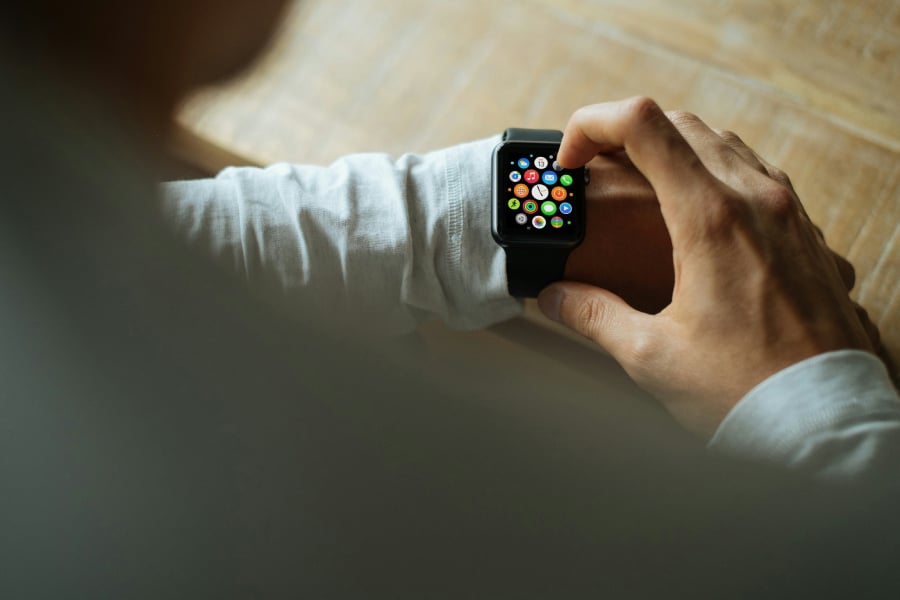
Apple Watch is the name most people know in this race. It does not measure glucose on its own yet, but it can display readings from compatible CGM devices, including Dexcom devices, so users can check glucose trends from their wrist instead of grabbing their phone.
Apple is also working on its own non-invasive glucose-monitoring technology, though that feature has not launched. If it ever reaches the Apple Watch, blood sugar tracking could become another familiar health stat next to heart rate, sleep, and workouts.
Evie Ring / Movano: Best future smart ring contender
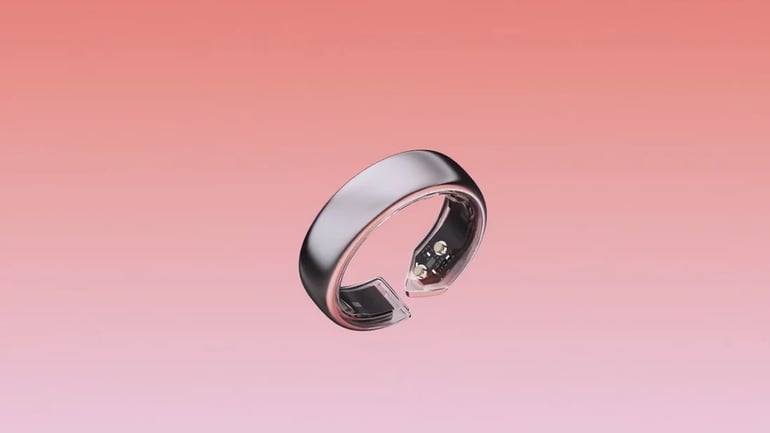
Evie Ring is a smart ring focused on everyday health tracking, including sleep, heart rate, activity, and women’s health insights. It does not measure blood sugar today, but its parent company, Movano Health, is developing radio-frequency chip technology for future non-invasive glucose and cuffless blood pressure monitoring.
Blood sugar sensing could give smart rings a bigger role in wearable health. Rings are small, comfortable for sleep, and easy to wear all day, making them a natural fit for continuous tracking if Movano brings its glucose-sensing work into a future product.
Garmin: Best for viewing blood sugar data during workouts
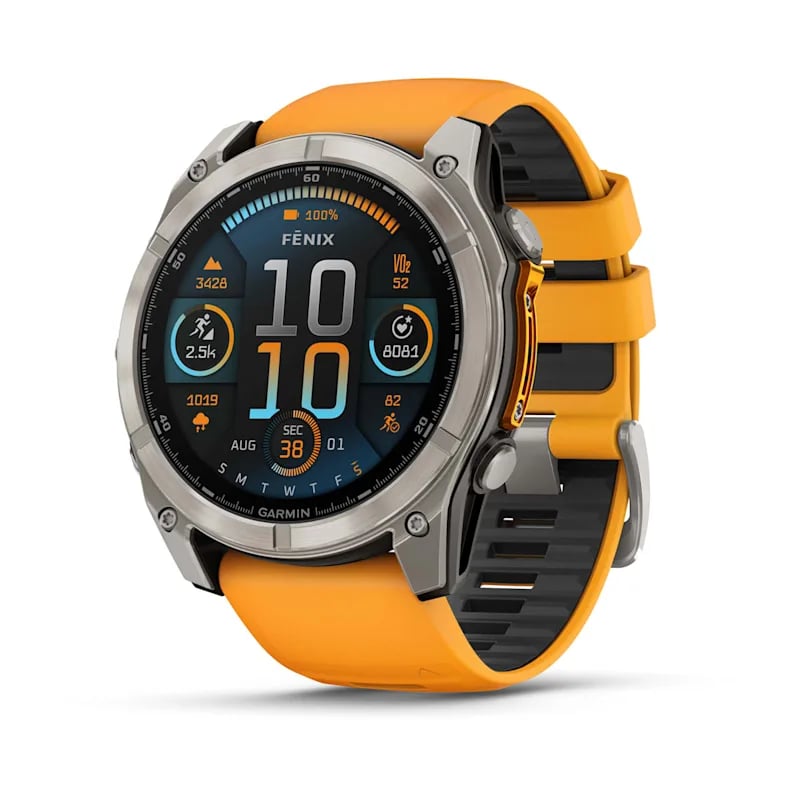
Garmin brings glucose data to runners, cyclists, hikers, and endurance athletes who already rely on performance stats. Select Garmin smartwatches and cycling computers can display glucose readings from compatible Dexcom CGM devices via the Dexcom Connect IQ app.
During a long ride, run, or hike, that quick glance can be the difference between staying on pace and stopping to dig for a phone. Glucose trends can sit next to pace, heart rate, distance, and other workout stats, making the data easier to use while the user is already moving.
Huawei Watch: Best for wellness-based diabetes risk alerts
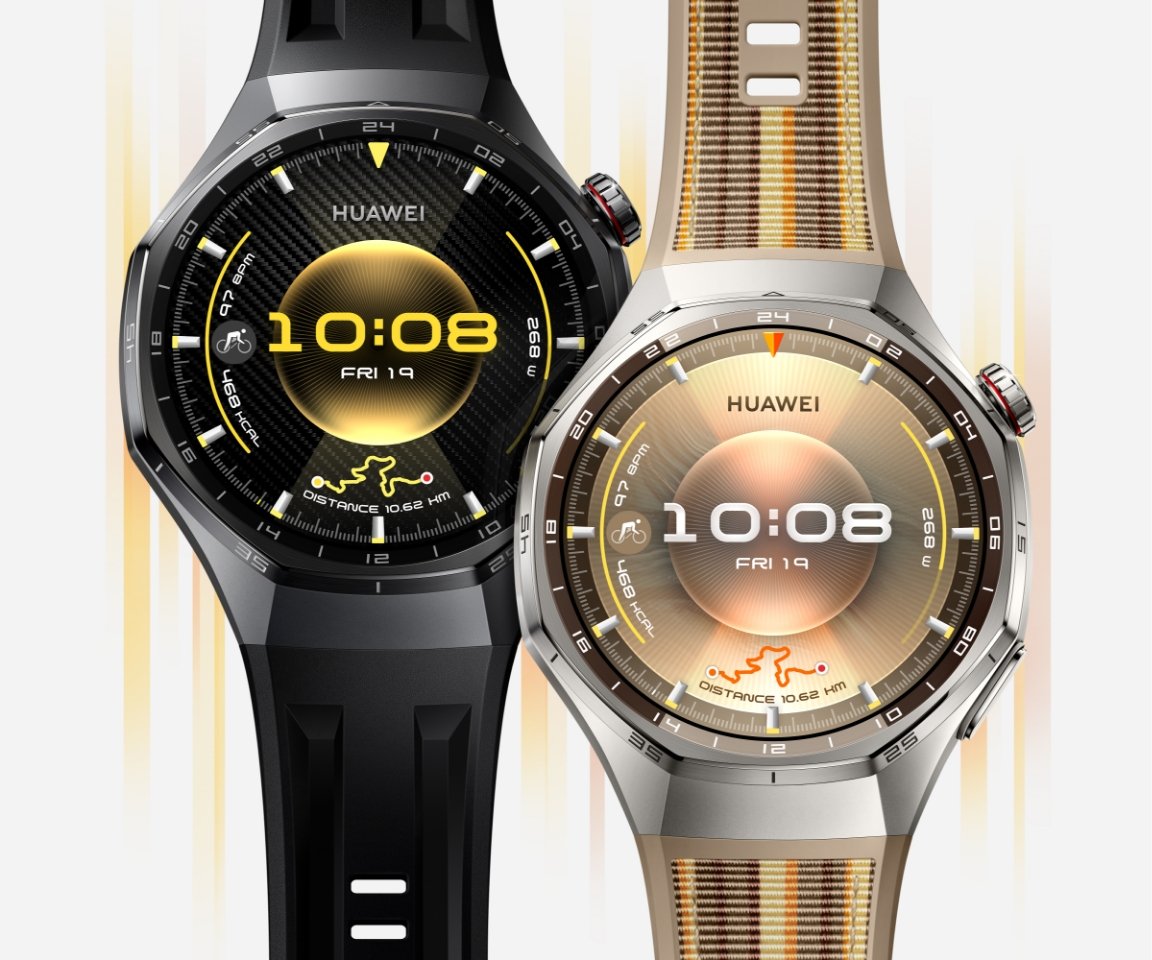
Huawei is taking a different route into blood sugar-related health tracking. The Huawei Watch GT 6 Pro uses wrist-based health data to detect diabetes risk patterns over time, giving users another way to spot potential warning signs.
It does not show live glucose numbers like a CGM, but it could still be useful for people who want an earlier nudge. Someone dealing with frequent energy crashes, a family history of diabetes, or concerns about long-term blood sugar risk may see those alerts as a reason to check in with a doctor.
Must-read Apple coverage
Oura Ring: Best for comparing glucose with sleep and recovery
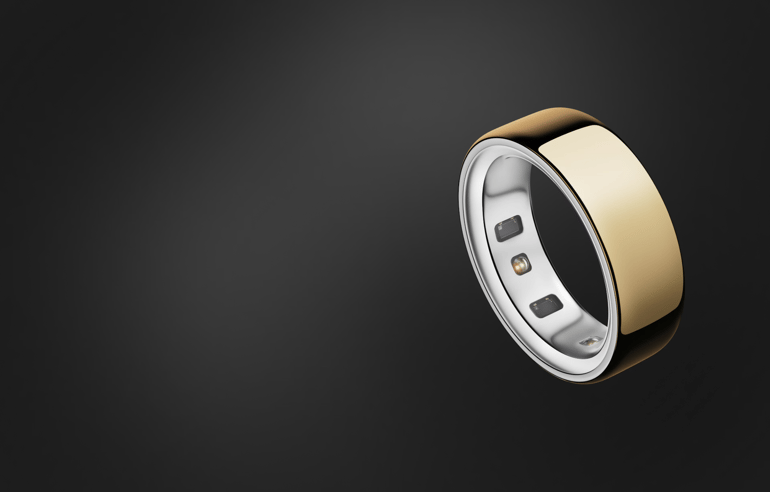
Oura brings glucose tracking into the smart ring world through its Stelo by Dexcom integration. Users can view glucose data in the Oura app and compare it with sleep and activity data.
Blood sugar feels more useful when it appears next to the habits that can affect it. A user could see how a late meal, rough night of sleep, or intense workout lines up with glucose patterns, all inside an app they may already use for recovery and daily routines.
Samsung Galaxy Watch: Best for future smartwatch blood sugar sensing
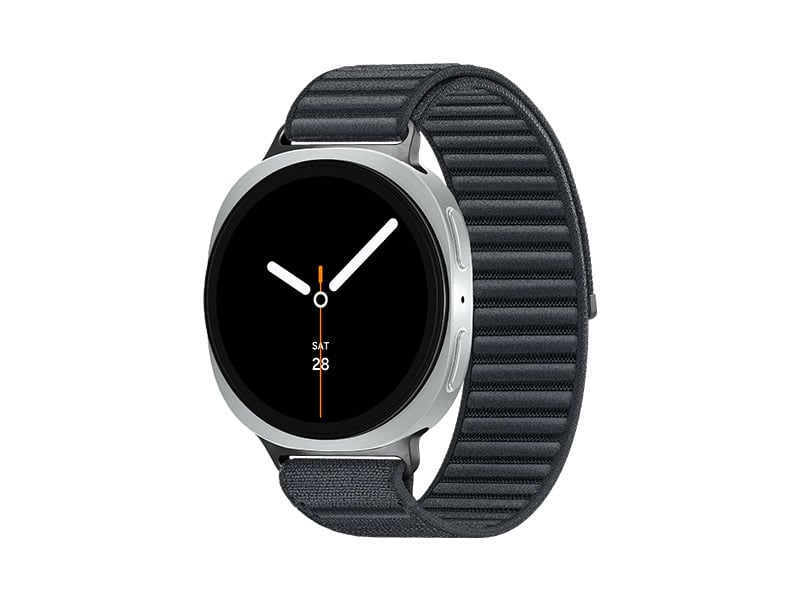
Galaxy Watch users do not have to wait for Samsung’s future glucose sensor to see blood sugar data on their wrist. With compatible CGM apps and Wear OS tools, the watch can display readings from a separate glucose monitor, making quick checks easier throughout the day.
Samsung is also working on a more advanced version of the feature: non-invasive glucose sensing for future wearables. If that work eventually reaches Galaxy Watch, blood sugar tracking could become a much bigger part of Android smartwatch health tracking.
Withings ScanWatch: Best for adding blood sugar data to everyday health tracking
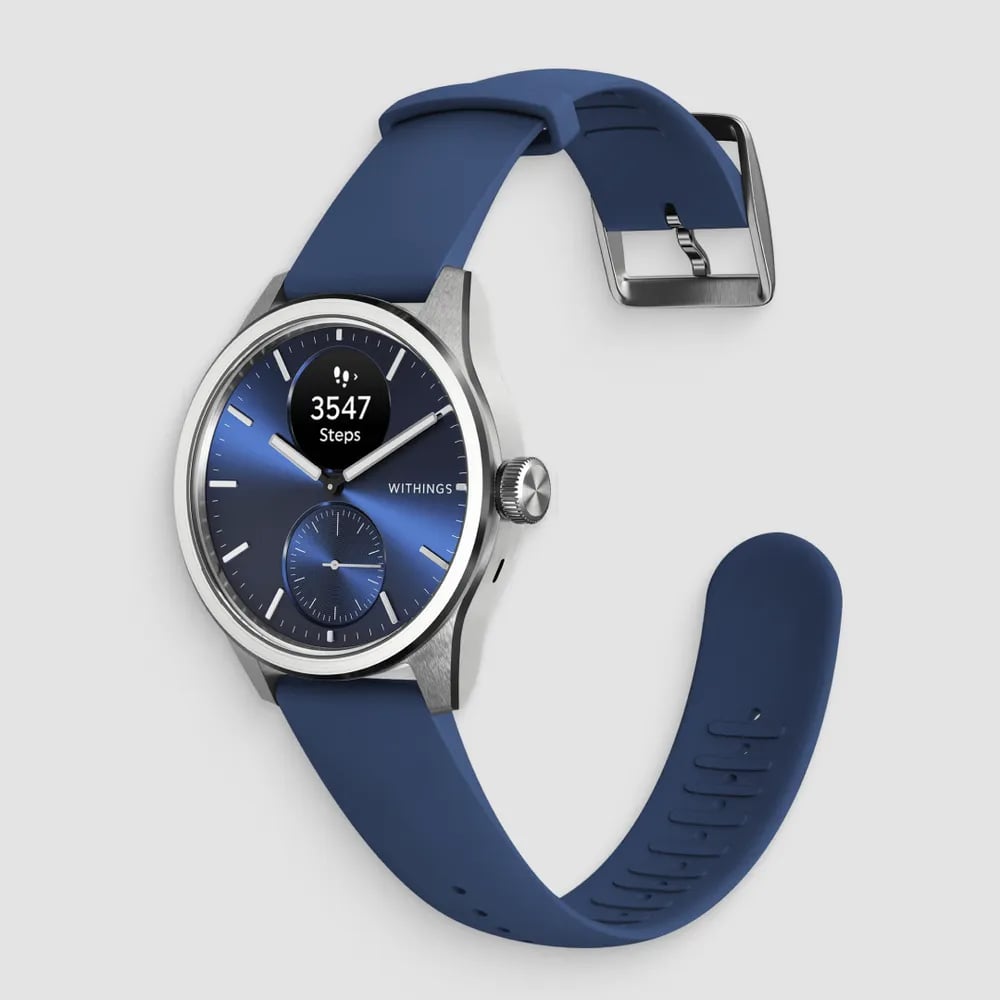
Withings ScanWatch is a hybrid smartwatch for people who want health tracking without a full touchscreen smartwatch. It tracks everyday metrics like activity, sleep, heart rate, and other health signals through the Withings app.
Blood sugar data comes in through Abbott’s Lingo sensor, not the watch itself. When Lingo connects to the Withings app, users can view glucose trends alongside their other health data, making it easier to see how meals, movement, weight, and daily habits fit into the bigger picture.
Bottom line: Blood sugar tracking is wearable tech’s next big test
Blood sugar tracking is one of the hardest tests in wearable tech because accuracy matters. The FDA has warned consumers not to use smartwatches or rings that claim to measure blood glucose without piercing the skin, though smartwatch apps that display data from authorized CGMs are different.
For now, the most useful products are those that make glucose data easier to access and understand, while the next breakthrough will go to the companies that can make blood sugar tracking accurate, comfortable, and simple enough for daily life.
Apple may be preparing a Wallet upgrade that turns scattered codes, cards, and tickets into organized passes.
Read the full article here