




Huawei’s newest health pitch sounds like the future of wearable blood sugar tracking. The reality is more complicated.
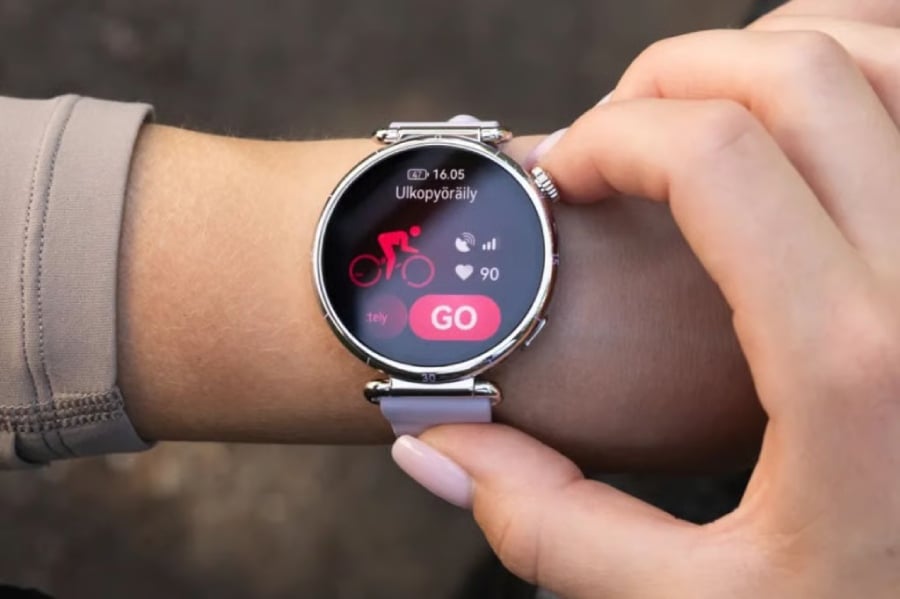
The Huawei Watch GT 6 Pro includes a Diabetes Risk Study feature that flags potential hyperglycemia, but it does not measure blood glucose directly or replace a medical glucose monitor. Instead, Huawei appears to be taking a different route from the long-rumored dream of needle-free smartwatch glucose readings: using wearable sensors, algorithms, and longer-term health patterns to identify possible risk.
That distinction matters. For consumers, IT buyers, and digital health teams watching the wearables market, Huawei’s progress shows where smartwatch health tracking is headed and where the technology still hits a wall.
Can Huawei watches measure blood sugar?
Huawei’s diabetes-risk feature does not work like a continuous glucose monitor or finger-prick blood glucose meter.
The Watch GT 6 Pro’s diabetes-related feature is a risk-assessment tool, not a blood sugar monitor. It does not display glucose readings in mg/dL or mmol/L. It is also not intended to diagnose diabetes, guide insulin dosing, or replace lab testing.
That makes the feature closer to an early-warning system than a medical measurement tool. The watch collects health signals over time and uses them to estimate the wearer’s risk of hyperglycemia (high blood sugar).
What Huawei’s Diabetes Risk Study does
Huawei’s Diabetes Risk Study feature asks users to wear the watch for several days before providing an assessment. According to TechRepublic’s previous coverage, the feature reviews three to 14 days of wrist-based data before producing a risk assessment.
That approach is important because diabetes risk is not the same thing as glucose monitoring. A CGM reads glucose levels through a small sensor inserted under the skin. Huawei’s watch-based feature instead uses non-invasive wearable signals to look for patterns that may correlate with metabolic risk.
For users, the practical takeaway is simple: the feature may encourage someone to seek medical testing or pay closer attention to their health, but it should not be treated as a clinical reading.
Huawei’s health-tracking timeline
Huawei’s diabetes-risk feature did not appear out of nowhere. It fits into a broader push to move smartwatches from fitness accessories into health-screening devices.
2022: Huawei Watch D pushes blood pressure tracking
Huawei’s Watch D line helped establish the company’s health-first wearable strategy by focusing on blood pressure monitoring. Unlike many smartwatches that estimate health trends through optical sensors alone, the Watch D used an inflatable cuff-like mechanism built into the strap.
That made blood pressure a natural early target for Huawei: it is a familiar, widely used health metric and easier to explain than experimental metabolic screening.
2024: Huawei Watch D2 adds 24-hour blood pressure monitoring
The Huawei Watch D2 took that idea further with ambulatory blood pressure monitoring. Huawei says the D2 can run a 24-hour monitoring plan and track blood pressure both day and night.
Huawei also markets the Watch D2 as CE-MDR-certified in supported markets. That distinction should be read with regional limits in mind, since Huawei says health features and availability may vary by country or region.
2024: Huawei introduces TruSense
Huawei unveiled TruSense in August 2024 as the sensor and algorithm platform for its next-generation wearables.
The company said TruSense was designed to improve speed, accuracy, and coverage across health tracking. Huawei described the system as measuring more than 60 health and fitness indicators across six major body systems.
That platform is the connective tissue in the timeline. Blood pressure, heart rate, SpO2, stress, emotional well-being, and diabetes risk assessment all depend on Huawei’s larger bet: that more sensors and better algorithms can turn passive wearable data into useful health signals.
2026: Huawei Watch GT 6 Pro brings diabetes-risk alerts
The Watch GT 6 Pro’s Diabetes Risk Study is the latest step in that progression. Rather than claiming to measure blood sugar directly, Huawei is positioning the watch as a way to assess risk over time.
That may be less flashy than a true non-invasive glucose monitor, but it is also more plausible in the near term. Consumer tech companies have chased smartwatch blood sugar tracking for years, but accurate, FDA-cleared, needle-free glucose monitoring remains an unsolved problem for mainstream wearables.
Why this is not the same as glucose monitoring
The difference between “blood sugar tracking” and “diabetes risk alerts” is not just semantic. It is the entire story.
Blood glucose monitoring requires accurate, timely readings because people with diabetes may use those numbers to make decisions about medication, food, and exercise. A wrong reading can lead to serious harm.
That is why regulators have been cautious. The US Food and Drug Administration has warned consumers not to use smartwatches or smart rings that claim to measure blood glucose without piercing the skin. The agency said it has not authorized those devices to independently measure or estimate blood glucose values.
Huawei’s diabetes-risk feature avoids some of that danger by not presenting itself as a replacement for a glucose meter. Still, the consumer-facing language around “blood sugar” can easily create confusion.
What’s hot at TechRepublic
What works today
Huawei’s current strength is not direct blood sugar measurement. It is broader health pattern detection.
What works today:
- Blood pressure monitoring on devices such as the Watch D2 is supported in certain regions.
- Multi-day health trend collection through Huawei Health.
- Risk assessment features that may prompt users to seek medical advice.
- A broader sensor platform through TruSense.
What does not work today:
- Direct smartwatch blood glucose measurement.
- Replacement of a CGM or finger-prick test.
- Medical diagnosis of diabetes from a Huawei watch alone.
- Treatment decisions based only on smartwatch risk alerts.
What to watch next
The next phase will depend on validation, regulation, and availability.
Independent validation would be important to demonstrate the accuracy of Huawei’s diabetes-risk assessment across different populations, skin tones, body types, and health conditions. The company will also need to navigate medical device rules in each market where the feature is offered.
The bigger question is whether Huawei’s risk-assessment model becomes the realistic near-term path for smartwatch makers. Apple, Samsung, and other wearable companies have all been linked to non-invasive glucose ambitions, but none have brought a true smartwatch glucose monitor to the mainstream.
For now, Huawei’s approach is less of a blood sugar breakthrough and more of a signal flare. The smartwatch still cannot replace a glucose monitor, but it may become better at telling users when their health data deserves a closer look.
Related reading: For more context on where the technology stands, see our breakdown of how Apple, Samsung, Garmin, Oura, and others are approaching smartwatch blood sugar tracking.
Read the full article here