



Meta’s newest AI image feature barely made it through the week.
Days after launching Muse Image, Meta scrapped a feature that allowed people to reference public Instagram accounts when creating AI-generated images. The reversal followed criticism from users, privacy advocates, actors, and talent representatives over its automatic opt-in approach, which included public accounts unless users opted out, and the risk that people’s likenesses could be reused without clear permission.
Muse Image itself remains available across Meta AI, Instagram, and WhatsApp. The short-lived rollout shows why AI features involving real identities need stronger consent controls from the start, especially when platforms plan to enable them by default.
Reuters reported that Meta confirmed that the Instagram account-reference feature was no longer available.
“Our intent was to provide a useful creative tool and to give people control over whether their public content could be referenced in this way. We’ve heard the feedback that this feature missed the mark, so it’s no longer available,” Meta said in a statement, according to Reuters.
Meta introduced Muse Image on July 7 as an image-generation model from Meta Superintelligence Labs. The model powers image tools in Meta AI, Instagram, and WhatsApp, allowing people to generate visuals, edit photos, and make specific edits using prompts or sketches.
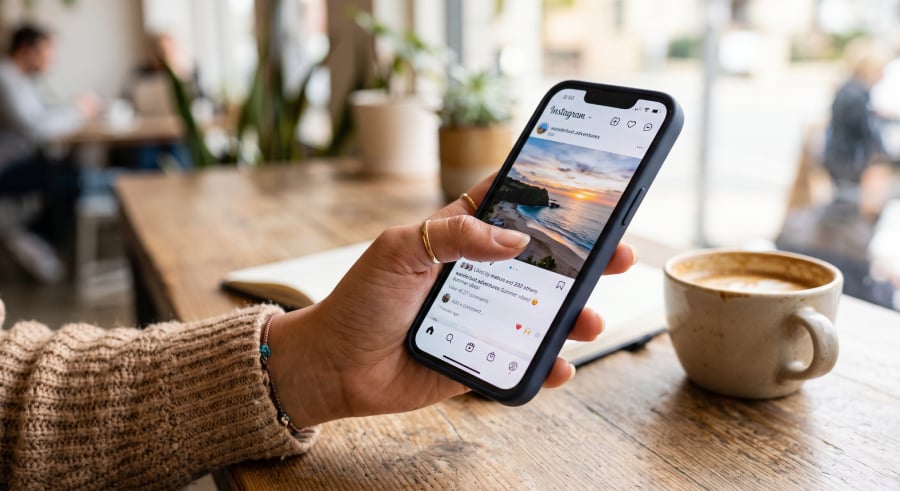
The removed feature let people mention a public Instagram account in Meta AI and use publicly available photos from that profile as image references. Adults with public accounts were reportedly included by default unless they disabled the option under Instagram’s sharing and reuse settings.
Automatic opt-in policy draws creator backlash
SAG-AFTRA urged its members and other Instagram users to opt out shortly after the feature launched.
According to Reuters, SAG-AFTRA said, “Anything other than a clear and conspicuous opt-in for these types of uses of Instagram users’ images is unacceptable,” calling Meta’s approach an “utter miscalculation of public sentiment.”
Variety noted that Creative Artists Agency raised its concerns directly with Meta and urged the company to adopt a more reasonable approach.
“No one’s name, image, likeness, voice or creative work should be used by any third party, including AI models, without clear, documented consent,” CAA said, according to Variety.
Privacy International offered a broader criticism, telling the BBC that the rollout showed how AI companies could treat people’s images and data as material to be exploited.
More must-read AI coverage
What Instagram users should check next
Meta removed one capability, not the wider Muse Image model.
The company still plans to expand AI features across Facebook, Messenger, WhatsApp, and its other services while developing an AI video tool.
Users with public Instagram accounts should continue reviewing the app’s sharing and reuse controls as Meta introduces more AI features. Creators, executives, freelancers, and businesses whose public profiles are tied to their work may be particularly concerned about impersonation, unauthorized digital replicas, or altered images presented without context.
Future launches involving real people may also require explicit opt-in controls, clearer notices, and stronger safeguards before release. Adding those protections only after complaints emerge can expose technology companies to legal, reputational, and platform-governance risks.
Publicly sharing a photo does not necessarily mean consenting to its use in an AI-generated replica. Meta’s quick reversal acknowledged that distinction, and future rollouts will need to give users meaningful control over their images and identities to become part of a new feature.
Also read: Meta faces an EU breach finding over the allegedly addictive design of Facebook and Instagram.
Read the full article here