


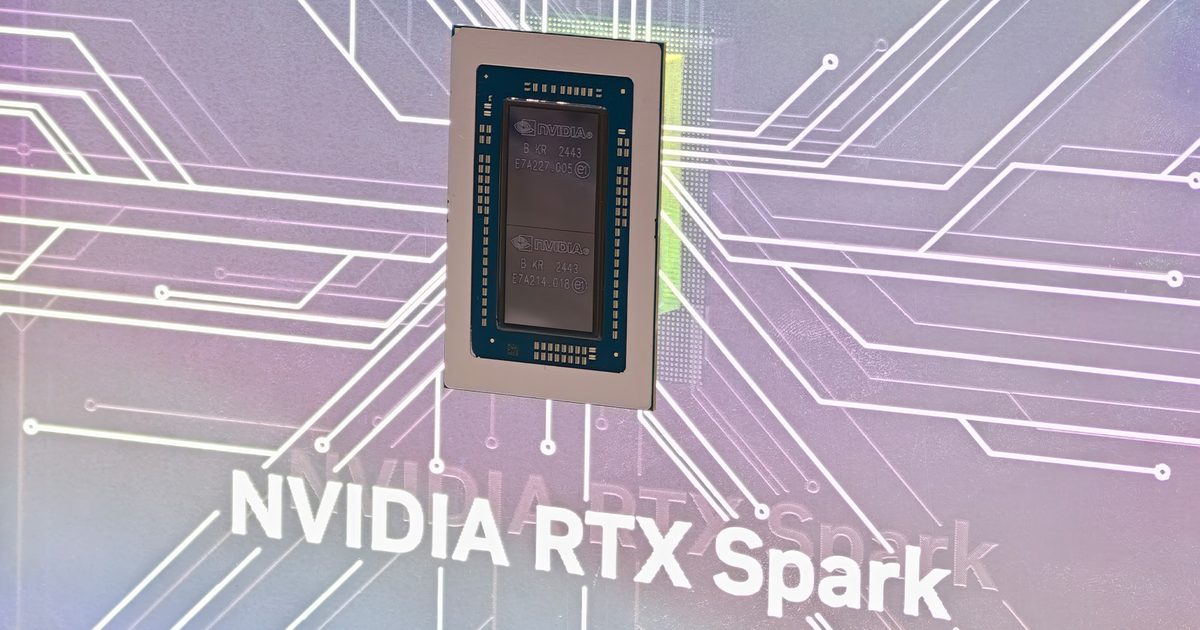

Windows laptops have been chasing the gold that Apple struck years ago with its M-series chips. Back in 2020, Apple revealed a new lineup of MacBooks powered by silicon that seemed generations ahead in efficiency, integration, and even performance. It was a system that was built around the hardware instead of merely running on top of it.
At Computex 2026, Nvidia RTX Spark looked like one of the most convincing responses that Windows has had in years. I got a tour of Nvidia’s showcase at the show, and Spark was easily one of the most interesting things I saw. During the demo, the company gave me a close-up look at the RTX Spark as it ran video edits, local AI agents, games, and other hefty workflows. And in each of these tests, it became apparent that this isn’t just another laptop chip reveal.
More than an AI PC badge
The AI PC label has been thrown around so much that it has started sounding like a dead meme on the internet. Every “next-gen” laptop seems to have an NPU to push AI, which honestly looks to be more of a marketing push than something many users would actually use. Spark, on the other hand, is doing things a little differently. It is building around the kind of workloads that are already central to Nvidia’s ecosystem. So CUDA, RTX, DLSS, G-Sync, local AI processing, and GPU-based creative work are now front and center.
Looking at the spec sheet, RTX Spark looks packed. It features a 20-core Grace CPU with a Blackwell RTX GPU, 6,144 CUDA cores, up to 128GB of unified memory, and up to 1 petaflop of AI performance. All of this translates to a single processor that is flexible for nearly everything you throw its way.
The Apple Silicon comparison is easy
When Apple moved the Mac to its own silicon, performance and efficiency bumps were huge, but shifting control back to Apple was even bigger. Now, Apple had the CPU, GPU, memory architecture, operating system, and even software stack working together. The ecosystem was tighter than ever before, and it no longer had to rely on Intel.
Overnight, the MacBook started a new PC race after transitioning to M1. They were not simply more powerful, but also practical with the sweet power efficiency. This is the part Windows laptops struggled to match. It had plenty of raw horsepower, sure, and in some ways, far more flexibility than the Mac. Still, it came across as fragmented. One company makes the chip, another builds the laptop, while the third handles the software experience. Even with amazing chips, an unoptimized platform could ruin your experience with a laptop.
That’s not all, performance can vary wildly depending on thermal designs, drivers, battery profiles, and, most importantly, vendor tuning. Nvidia can’t control Windows like Apple with its macOS; however, it has worked closely with Microsoft to make a true Windows flagship of its own, the Microsoft Surface Laptop Ultra. This gives Nvidia a chance to create a high-performance platform with a more stable foundation.
Nvidia’s RTX Spark Demo
Right from the start, Nvidia made sure everyone understood the effort it put into this “superchip”. The showcase covered just about every use you can think of. Nvidia showed the chip handling creative workflows, local AI agents, running the heaviest AAA games, and much more. The video editing demo was the clearest example. Nvidia showed Spark working with generative AI tools inside a video workflow, allowing editors to make changes using natural-language prompts instead of digging through timelines and menus.
The idea was to automate some of the repetitive tasks that make the process so time-consuming. For someone who spends a lot of time cutting footage, organizing clips, and making tiny revisions, this is one of the few AI demos at Computex that looks pretty useful. A big part of the magic comes down to the hardware. Spark’s combination of Blackwell graphics, large unified memory pools, and local AI processing means these tools can run directly on the machine instead of constantly relying on cloud services.
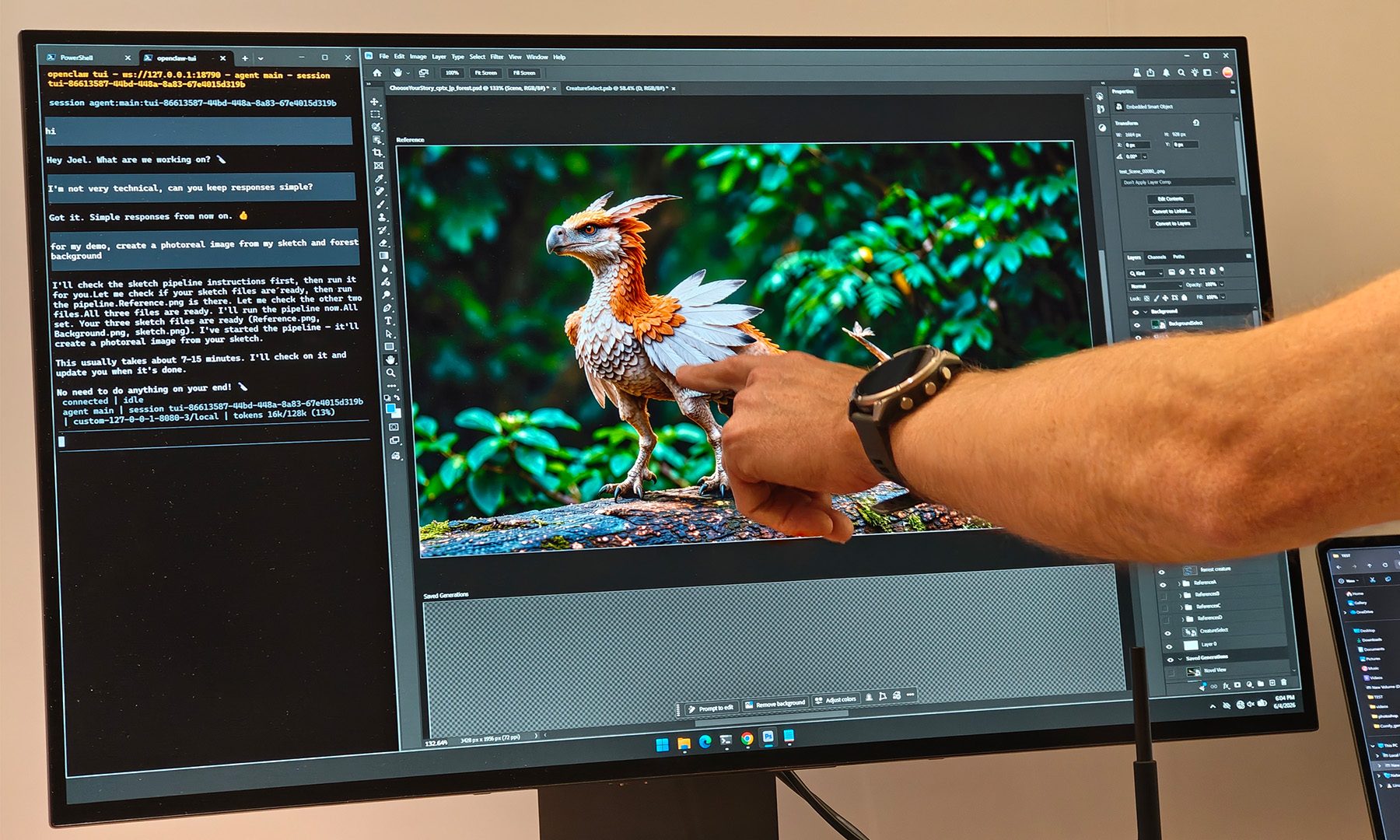
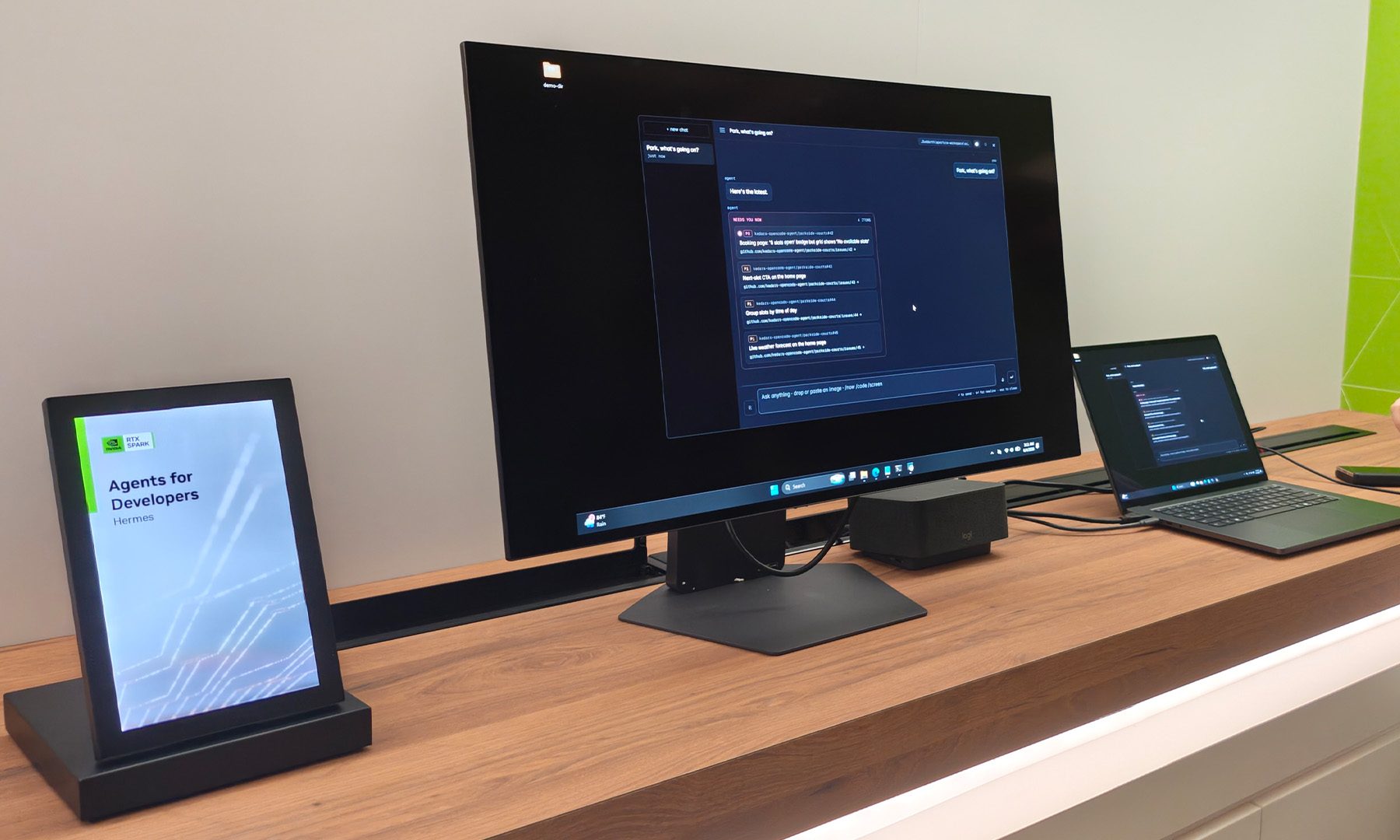
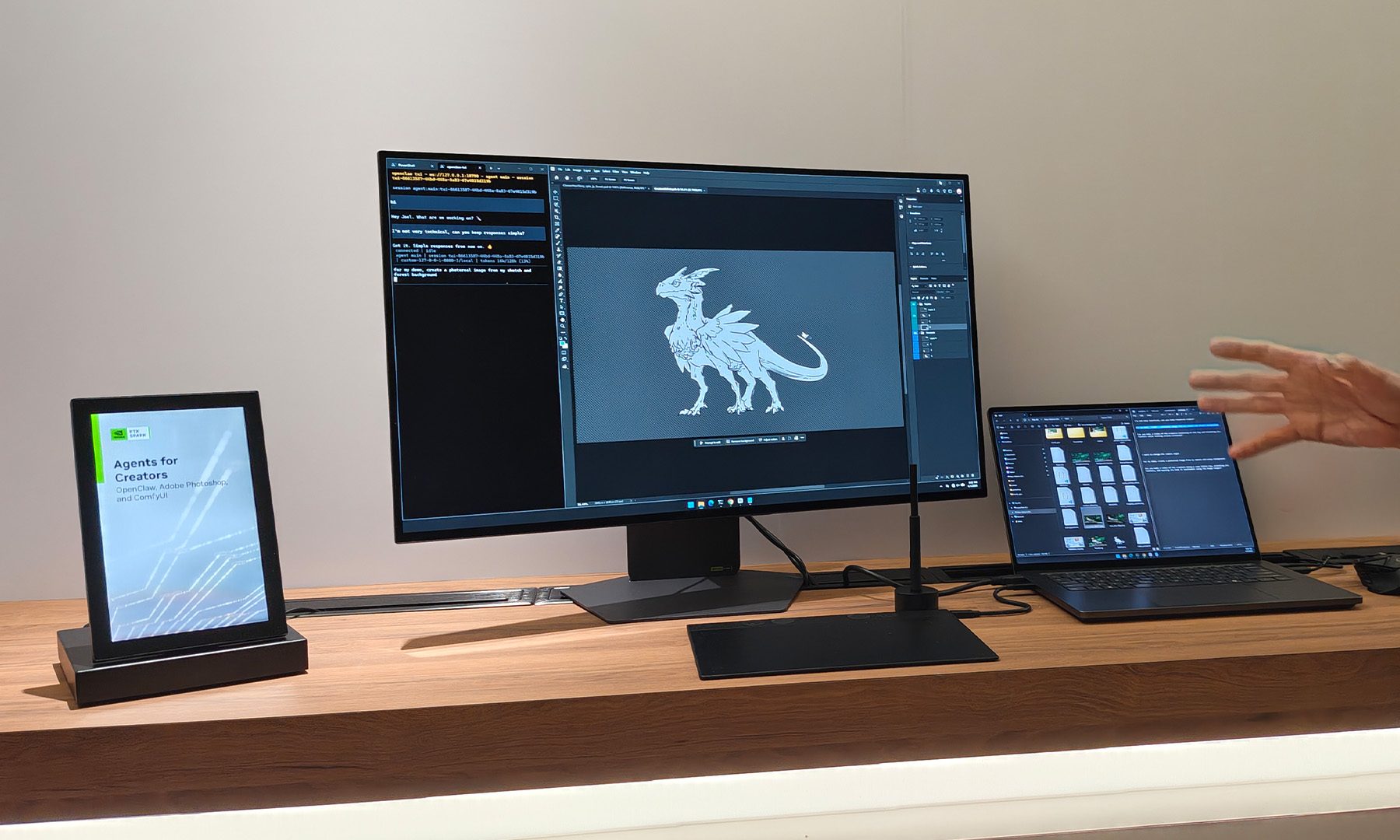
Local AI agents were another major focus. Nvidia showed systems capable of running sophisticated AI models on-device, handling tasks that would normally require remote servers. If AI is going to become a tool for everyday workflows, local performance like this could be just as important as raw benchmark numbers.
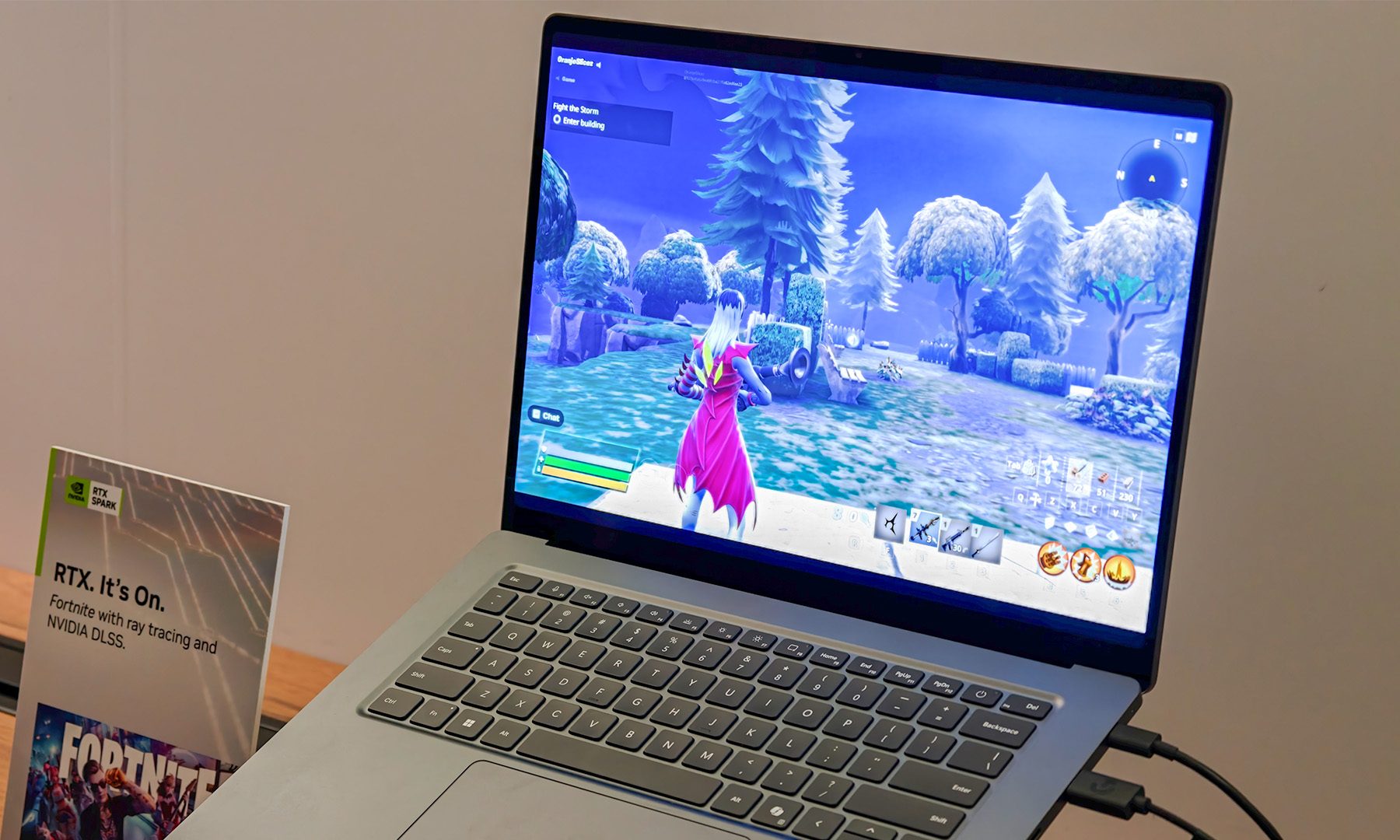
Gaming was unsurprisingly the other pillar. Nvidia still brings an ecosystem advantage that Apple has struggled to replicate, with RTX technologies, DLSS, Reflex, and deep support across the PC gaming market. Both native titles and games running on emulation showed smooth performance. Actual performance figures are still unknown, but the reveal seemed promising.
Windows still has to meet Nvidia halfway
Spark is promising, but this is not a guaranteed Apple Silicon moment just because the hardware looks good. Apple’s definitive advantage came from owning the full stack. For Spark to really work, laptop makers need to build great machines around it. Microsoft needs to make Windows feel ready for local AI workflows. Developers need to support the platform in ways that go beyond benchmark-friendly demos. Pricing and battery life will matter too, especially if Spark laptops end up exclusively sitting in the same premium territory as high-end MacBooks.
But after seeing it in action at Computex, I get why Nvidia is going big here. It gives Windows laptops a shot at something they have needed for a long time
Read the full article here