





It’s already pretty common to ask AI chatbots for help with emails, homework, travel plans, and so much more. So it was only a matter of time before politics entered the chat. A new analysis from The Washington Post suggests that major AI chatbots may not be as politically neutral as they often sound. The Post tested models behind OpenAI’s ChatGPT, Google’s Gemini, Anthropic’s Claude, DeepSeek, xAI’s Grok, and Gab’s Arya using a set of political questions designed to measure how chatbots handle hot-button issues.
According to the Post, OpenAI’s model gave one-sided left-leaning answers in 80% of responses, while Google’s Gemini mostly took a both-sides approach, giving left- and right-leaning arguments in more than 90% of its answers.
This is not proof of voter manipulation
Before you get the wrong idea, it is important to note that AI isn’t affecting your elections directly. The report doesn’t prove that chatbots are affecting how users vote. The test only looks at short answers to political questions, and not real-world voting behaviors. But the findings cannot be ignored entirely. If a person asks a chatbot about campaign finance, health care, policing, immigration, taxes, or the Electoral College, the answer they get can frame the issue before they ever click a news article or hear from a candidate. The framing is important, since all chatbots sound confident with their answers.
The Post also found that even AI models marketed around conservative or anti-“woke” positioning did not always behave that way. Grok gave more right-leaning responses than other tested bots, but still more often presented left-leaning arguments. Gab’s Arya, which is marketed around Christian and conservative values, also frequently gave left-leaning answers in the test.
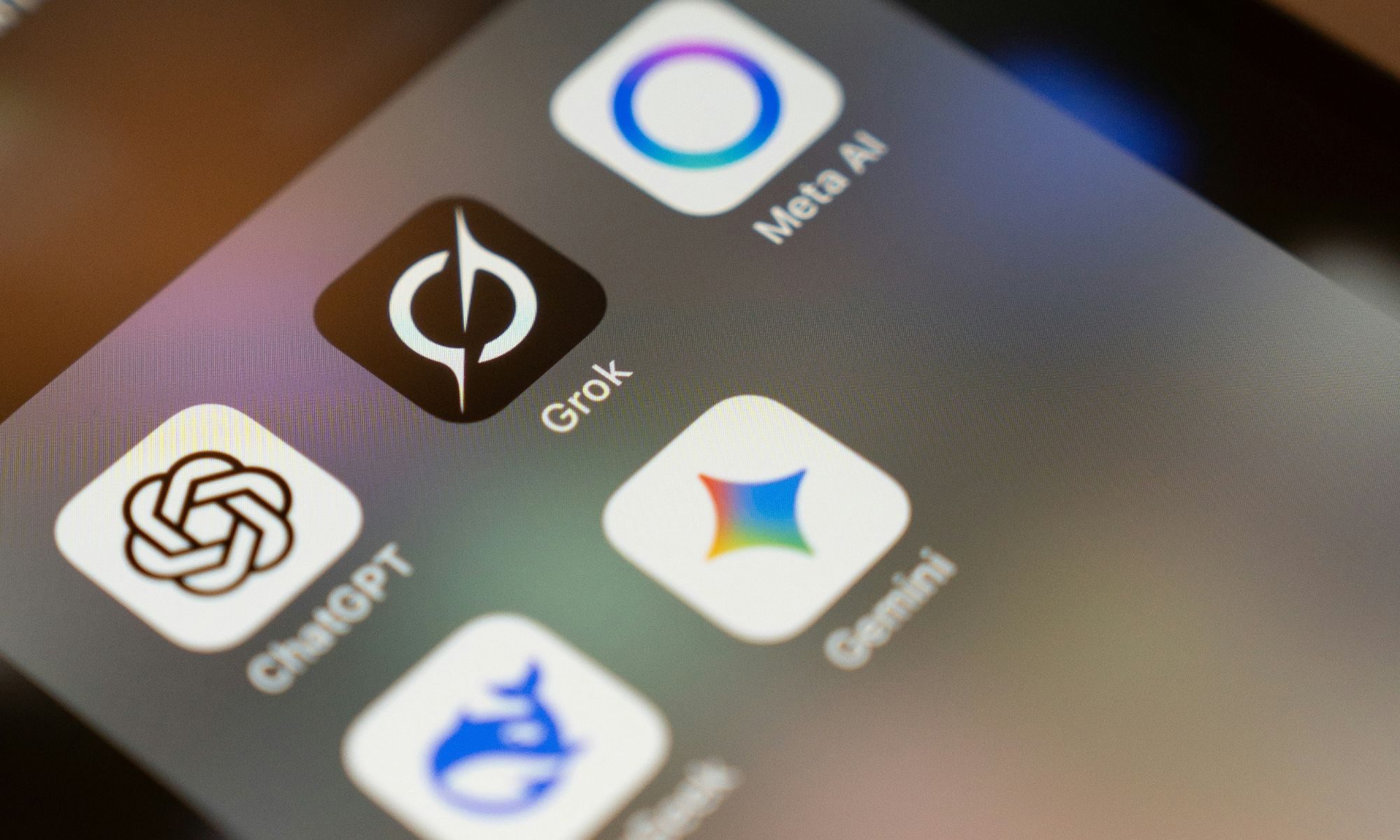
Companies say neutrality is the goal
The companies pushed back on the idea that their bots are designed to favor a political side. Google said Gemini is built to avoid favoring any ideology. Anthropic claims that said Claude is trained to treat political viewpoints equally. OpenAI said ChatGPT is built to be objective by default and that it works to measure and reduce political bias.
Political questions often do not have one clean factual answer. A chatbot has to decide which arguments to include, which values to emphasize, and whether “both sides” is useful or misleading. So the issue might impact trust in these platforms. AI chatbots are becoming default explainers for complicated topics, including politics and news. Even if most people are not asking ChatGPT who to vote for, they may still use AI to understand the issues that shape those decisions.
Read the full article here