




Amazon is coming for the final frontier… and your signal bars
The tech giant announced Tuesday that it has entered a definitive agreement to acquire satellite operator Globalstar for approximately $11.57 billion. The deal, priced at $90 per share, marks Amazon’s largest move yet to bolster its “Amazon Leo” satellite network, formerly known as Project Kuiper, as it tries to close the gap with Elon Musk’s Starlink.
The acquisition is expected to close in 2027, provided Globalstar hits certain satellite launch milestones and clears regulatory hurdles. Under the terms, Globalstar shareholders can choose to receive $90 in cash or exchange their shares for Amazon stock.
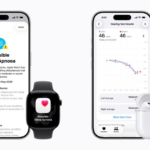
One of the most significant parts of this deal involves a surprising new alliance. Apple, which currently uses Globalstar to power its emergency satellite features, has signed a new agreement with Amazon Leo to power satellite services for future iPhones and Apple Watches.
This means the “Emergency SOS” and “Find My” features that hikers and travelers rely on will eventually run through Amazon’s infrastructure.
“Since launching more than three years ago, our groundbreaking safety service Emergency SOS via satellite has helped save many lives around the world—from a scout troop stranded on a winter hike in British Columbia, to a woman who was airlifted to safety in Colorado after her car rolled down a 250-foot cliff,” Greg Joswiak, senior VP of Worldwide Product Marketing at Apple, said in a statement.
Phones connecting directly to space
The main goal of this merger is “Direct-to-Device” (D2D) technology. Essentially, Amazon wants your regular smartphone to talk directly to a satellite without needing a bulky ground terminal or a nearby cell tower. Amazon expects to begin deploying this D2D system in 2028.
Panos Panay, Amazon’s senior VP of Devices & Services, explained the vision behind the project, saying, “There are billions of customers out there living, traveling, and operating in places beyond the reach of existing networks, and we started Amazon Leo to help bridge that divide.”
By folding Globalstar’s specialized radio spectrum and existing satellites into its own fleet, Amazon hopes to provide seamless coverage for people “off the grid.”
“We have long believed low Earth orbit satellite constellations offer the most effective path to truly connect users and devices anywhere and anytime,” said Paul Jacobs, CEO of Globalstar.
Catching up to Starlink
The deal is a clear shot across the bow of SpaceX. While Starlink currently dominates the market with over 10,000 satellites and 9 million users, Amazon Leo is still in its early stages with just over 240 satellites in orbit.
Industry analysts suggest Amazon paid a premium for Globalstar specifically because SpaceX was also reportedly interested in the company’s spectrum. By securing Globalstar, Amazon ensures it has the airwaves necessary to compete in the high-stakes world of satellite-to-phone connectivity.
Regulators are watching
While the deal has sent Globalstar’s stock soaring, it still needs the green light from the Federal Communications Commission (FCC). FCC Chairman Brendan Carr told CNBC that the agency is keeping an “open-minded” approach to the merger.
“Ultimately, we’ll have to take a look at the paperwork and see, but it’s, you know, consistent with the long-term vision that we have to make sure that the U.S. leads in this next-gen era of direct-to-cell technologies,” Carr told CNBC.
If approved, the deal would transform Amazon from a hopeful newcomer into a major satellite powerhouse.
Still holding onto older tech? Amazon is also shutting down support for early Kindle devices in 2026. Here’s what that means for your e-reader.
Read the full article here