


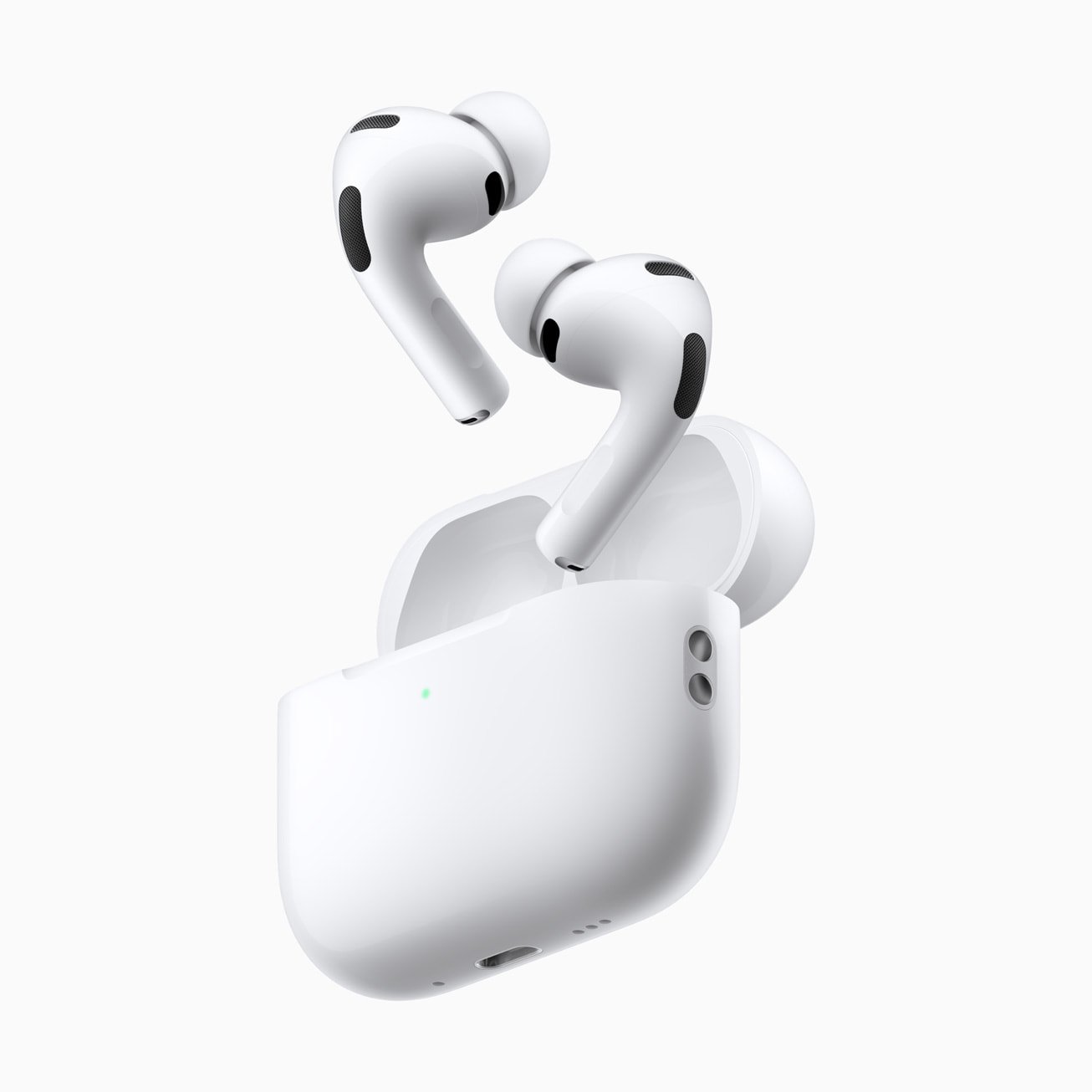

AirPods Pro 3 may be closing the gap with fitness wearables for heart-rate tracking.
CNET Labs found the earbuds averaged 1.67% heart-rate error against a Polar H10 chest strap, while a peer-reviewed study published April 30, 2026, found similarly low average error in a treadmill test. The results make them credible for many healthy users, but not a replacement for an Apple Watch, chest strap, or clinical monitor.
How AirPods Pro 3 Tested for Heart Rate Accuracy
In CNET Labs testing, AirPods Pro 3 finished second in the publication’s wearable heart-rate accuracy rankings, behind Apple Watch Series 11. The earbuds averaged 1.67% error against the Polar H10 reference strap, compared with 0.98% for Apple Watch Series 11. The caveat: CNET ran only two full AirPods Pro 3 test sessions.
Stronger clinical-style validation comes from a PLOS Digital Health study published April 30, 2026. Researchers at University College Dublin tested 40 healthy adults on a graded treadmill protocol and collected 16,735 paired readings against a Polar H10 chest strap.
The study found almost no systematic bias: -0.03 beats per minute. Mean absolute percentage error was 2.02%, with mean absolute error ranging from 1.31 bpm at rest to 2.4 bpm during vigorous exercise. Those numbers support general workout tracking.
Apple said in its Sept. 9, 2025, announcement that AirPods Pro 3 use infrared light pulsed 256 times per second to measure light absorption in blood flow.
Where the accuracy breaks down
Average error does not show moment-to-moment variability. In the PLOS study, the 95% limits of agreement ranged from -10.27 to +10.22 bpm. During high-intensity intervals, users trying to confirm a precise heart-rate zone should be cautious because individual readings may vary even when the workout average is accurate.
The study tested a narrow group: healthy adults with a mean age of 23.8 years in a lab kept between 19 and 22 degrees Celsius. It does not establish performance for older adults, users with cardiovascular conditions, or people exercising outdoors in heat, sweat, or varied movement.
The same caution applies across consumer health hardware: even OTC glucose monitors are most useful when users understand what the sensor can measure, what the app infers, and where medical guidance still belongs.
AirPods Pro 3 are not continuous trackers. They go in during a workout or commute and come out afterward, which makes them useful for exercise sessions but not all-day trends, sleep tracking, or recovery data. Google Health’s Fitbit migration shows how dashboard controls and cross-platform support can shape whether health data is useful.
Apple Watch remains the broader health device. AirPods Pro 3 provide workout heart-rate data, but not all-day trends or broader monitoring. Samsung Galaxy Watch CGM apps show the same split: the watch can make health data easier to see, but the sensor, app support, and alerts determine what users can rely on.
Apple Support says heart-rate monitoring is on by default for AirPods Pro 3. When AirPods Pro 3 and Apple Watch are worn together, Apple automatically uses the highest-confidence source for heart-rate data.
AirPods Pro 3 appear accurate enough for many healthy users who want workout heart-rate tracking without buying another device. They are not a clinical tool, a chest-strap replacement for precision training, or a smartwatch substitute. Their value is narrower: another health-adjacent data source that Apple can route through its device and fitness ecosystem.
Read more: Midjourney’s 60-second body scanner shows how health-focused hardware is moving into new consumer settings, with accuracy, consent, and data handling still unresolved.
Read the full article here