





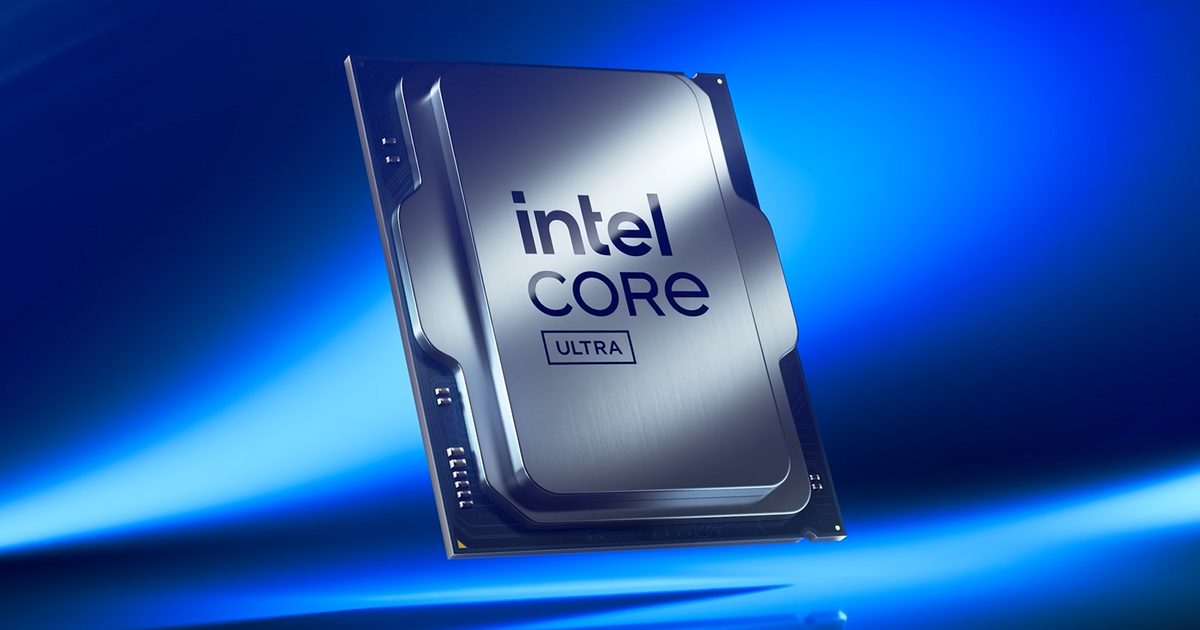

Intel has moved up the schedule for its next-generation 14A (1.4-nanometer) manufacturing process, giving its foundry turnaround an important new target.
During Intel’s Q2 2026 earnings call, CEO Lip-Bu Tan said 14A risk production for internal products is now planned for the second half of 2027. High-volume production is expected to begin in 2028. This is earlier than the previous timeline, when Intel was expected to begin risk production in 2028 and move to volume production in 2029.
Why is Intel more confident about 14A?
Intel says 14A is developing better than 18A (1.8-nanometer) did at the same stage. The company claims the newer process is ahead on defect density and transistor performance, two measures that can affect chip quality and manufacturing yields.
The 14A process design kit, which gives companies the tools needed to design chips for the node, has reached version 0.5. Intel says version 0.9 remains on track for October as it continues preparing the technology for internal products and outside customers. Tan also said Intel expects 14A to compete on performance, power efficiency, transistor density, cost, and production timing.
Intel still has plenty to prove
Intel says its current manufacturing processes are also improving. Intel 7, Intel 3, and Intel 18A all beat internal volume targets during the quarter. The company has also started risk production of 18A-P, an improved version of 18A.
The faster schedule could help Intel attract more customers to its foundry business. Apple has reportedly explored using Intel for some future chip production, while AMD is said to be planning Zen 7 processors around TSMC’s competing A14 process.
Intel’s timeline now looks more competitive, but the company still needs good yields, major customer orders, and reliable mass production. Reaching those targets will decide whether 14A becomes a genuine foundry win.
Read the full article here