




XPeng’s robotaxi is moving out of the prototype stage.
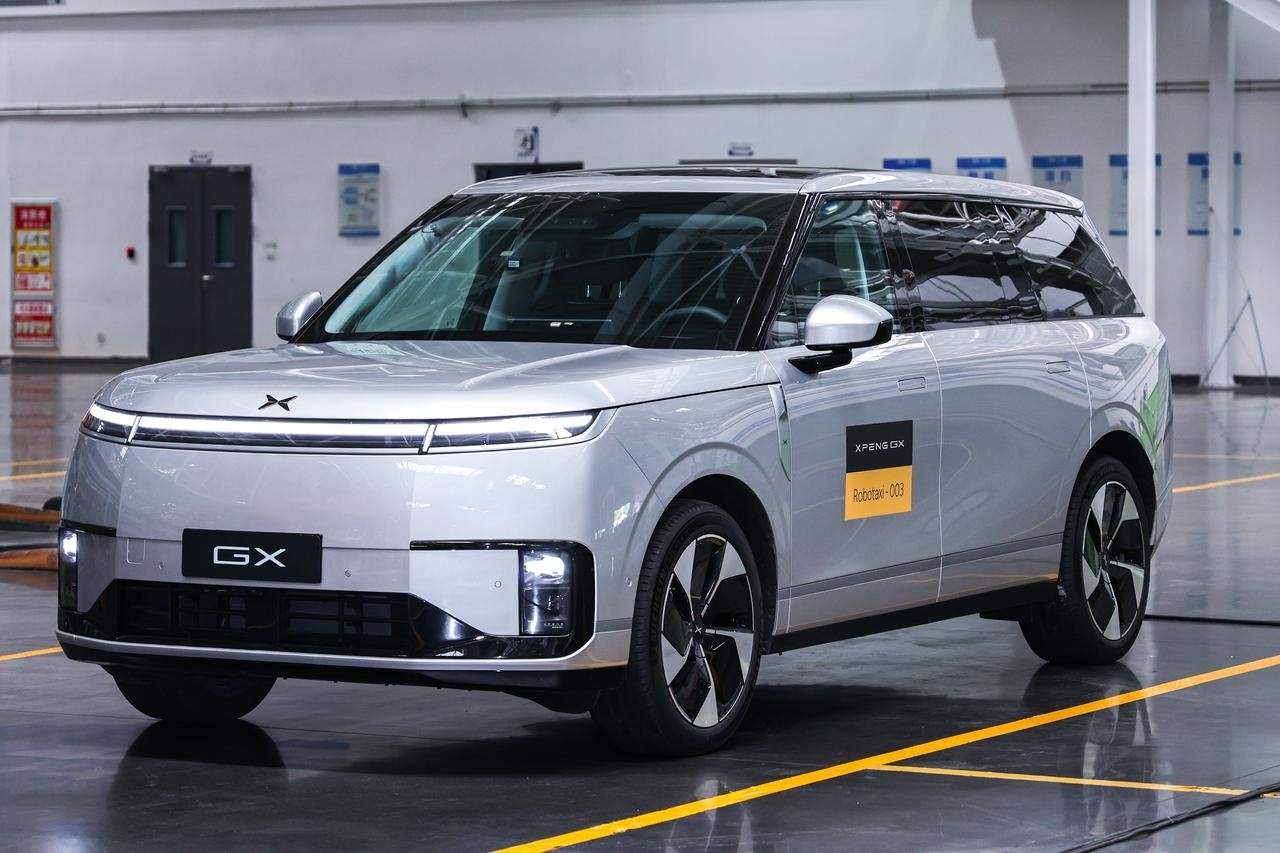
The Chinese EV maker rolled out its first mass-produced robotaxi in Guangzhou on May 18, calling it the first time a Chinese automaker has brought a robotaxi into mass production through a fully in-house technology stack.
Pilot operations are planned for the second half of 2026, with fully driverless service targeted for early 2027.
A robotaxi milestone, with fine print
According to XPeng’s announcement, the vehicle is built on the company’s GX platform and engineered to Level 4 autonomous driving standards. XPeng said the robotaxi uses four self-developed Turing AI chips delivering 3,000 TOPS of on-board computing power.
The company also said the robotaxi operates without LiDAR or high-definition maps. Instead, it uses a pure-vision system powered by XPeng’s VLA 2.0 end-to-end model, which the company says can compress system response latency to under 80 milliseconds.
Those are XPeng’s own technical claims, not independent safety benchmarks. The next test is whether the vehicle can operate safely, consistently, and economically in real passenger service.
XPeng received a road testing permit for intelligent connected vehicles in Guangzhou in January and created a dedicated robotaxi business unit in March. The company said its pilot operations later this year will test technical viability, user acceptance, and the business model. It also plans to open its robotaxi SDK, with Amap named as its first ecosystem partner.
XPeng is also trying to move other mobility hardware from prototype to production. Its Aridge unit is targeting 2027 flying car deliveries, although passenger service still depends on aviation certification and regulatory approvals.
The road from testing to paid rides
China’s regulatory backdrop is moving in XPeng’s direction, but it has not erased the gap between testing and driverless commercial service.
In December, Xinhua reported that China’s Ministry of Industry and Information Technology conditionally approved two Level 3 models, from Changan Automobile and BAIC’s Arcfox brand, for public-road operation. Those approvals were limited to specific conditions and still require a human driver who can take control.
XPeng’s early 2027 target is more ambitious: fully autonomous robotaxi operations without an on-site safety officer. To reach that point, XPeng will need regulators to approve the service, customers to trust it, and fleet data that shows the system can handle real roads at scale.
XPeng is entering a robotaxi market where other companies are also trying to move from prototypes to paid rides. Tesla has said its Cybercab will sell for $30,000 or less by 2027, while Nuro has begun testing self-driving technology in Tokyo.
XPeng’s technical report adds useful context. The company said its X-World simulation system now covers more than 500,000 autonomous-driving simulation scenarios, with daily simulated test mileage equivalent to 30 million kilometers of real-world driving. Simulation can speed up training and testing, but it does not replace independent real-world performance data.
XPeng has shown it can build a vertically integrated robotaxi and move it into mass production. The real test begins when the pilot starts, passengers get in, and regulators decide whether the safety case is strong enough for driverless service.
Also read: China’s robot half marathon showed real gains in autonomy while still exposing the technical limits that appear when robots leave controlled demos.
Read the full article here