



Xpeng’s flying car division, Aridge, is targeting large-scale deliveries in 2027, with initial customer handovers for the Land Aircraft Carrier expected before the end of 2026.
The company has a working factory, a battery supply chain, and roughly 7,000 orders. What it does not yet have is the full regulatory clearance needed to turn those vehicles into commercial passenger services open to the public.
What Xpeng is actually building
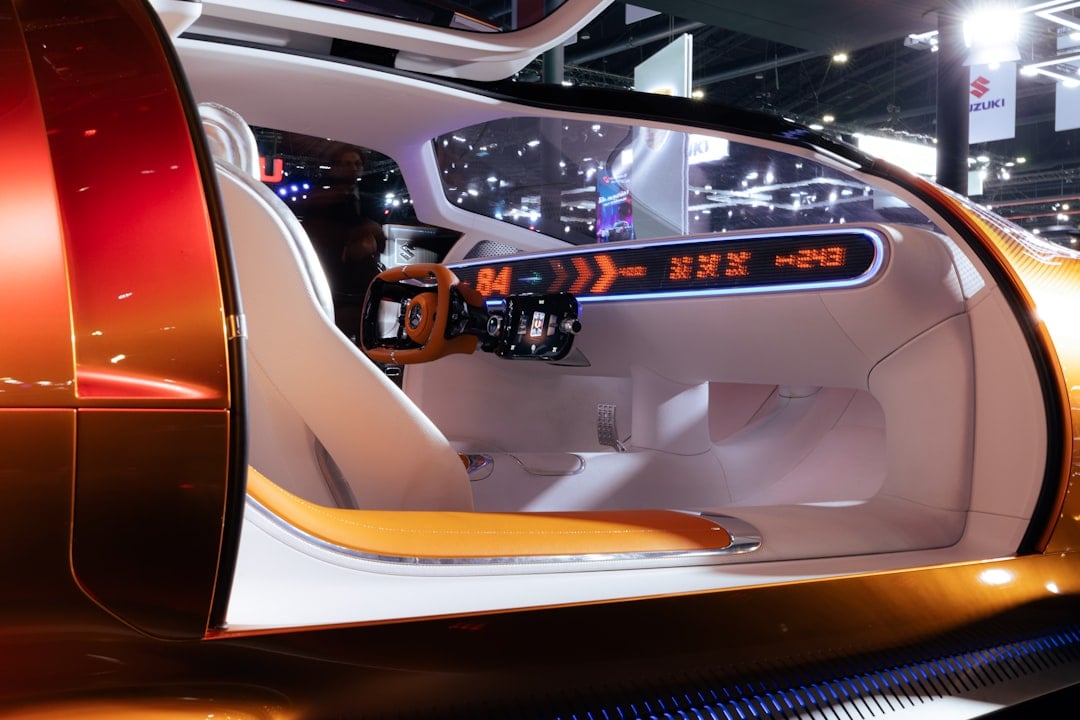
The Land Aircraft Carrier is not a single flying car. It is a modular system made up of a six-wheeled ground vehicle and a detachable two-seat electric vertical takeoff and landing aircraft.
According to Automotive World, Xpeng expects large-scale production of the Land Aircraft Carrier in 2027 and has received more than 7,000 orders, mostly from China.
A recent Electrek factory visit showed roughly 20 aircraft in different stages of production at Aridge’s Guangzhou plant. The facility is designed for an annual output of 10,000 units, though parts of the factory were still being fitted out.
The aircraft is designed to fit inside the rear of the ground vehicle, which also acts as its transport and charging platform. Electrek reported that the air module weighs about 700 kg, carries roughly 50 kWh of battery capacity, and can be charged from 30% to 80% in 18 minutes. The full package is priced at about 2 million yuan, or roughly $300,000.
That price and a reported 30-kilometer flight range keep the first version far from mass transportation. The clearest early uses are likely short tourism flights, limited regional hops, or specialty logistics in areas where roads are inefficient or unavailable.
Certification is the real checkpoint
The factory progress gives Xpeng more credibility than a concept render, but certification remains the harder milestone.
Initial deliveries to customers and commercial passenger operations are not the same thing. Aridge can build vehicles and prepare private handovers before it has every approval required to charge the public for flights.
The key remaining approvals are an Airworthiness Certificate and an Air Operator Certificate from the Civil Aviation Administration of China. Those certificates are what would move the Land Aircraft Carrier from a delivered product to a commercial aviation service.
That distinction matters because Xpeng is operating in a market where China is moving quickly on low-altitude aviation infrastructure. Shenzhen has built more than 1,200 landing pads, giving Chinese operators a denser network of starting points than in most other markets.
The broader push to field autonomous vehicles and aircraft at scale also mirrors investment patterns in defense, where AI-driven autonomous combat systems are drawing major funding as governments try to operationalize unmanned technology.
Xpeng’s strongest signal is industrial progress. A media tour, visible production units, a battery supplier, and a factory built for volume all suggest Aridge has moved beyond the demo stage.
Public proof is still limited. The company has not fully disclosed preorder terms, buyer composition, or the flight record regulators will use to judge readiness. Without that information, the 7,000-order figure should be treated as a demand signal rather than guaranteed revenue.
The infrastructure burden is also familiar outside aviation, as AI data center power and cooling demands show how fast emerging technologies can outgrow the systems around them.
For now, Xpeng’s timeline also reflects how quickly AI-driven hardware programs are scaling across industries, from mobility to robotics and infrastructure, as global investment in AI infrastructure continues to accelerate.
Also read: The Chinese humanoid robots dominating the Canton Fair 2026 highlight how quickly robotics is moving from showcase floors into industrial use.
Read the full article here