




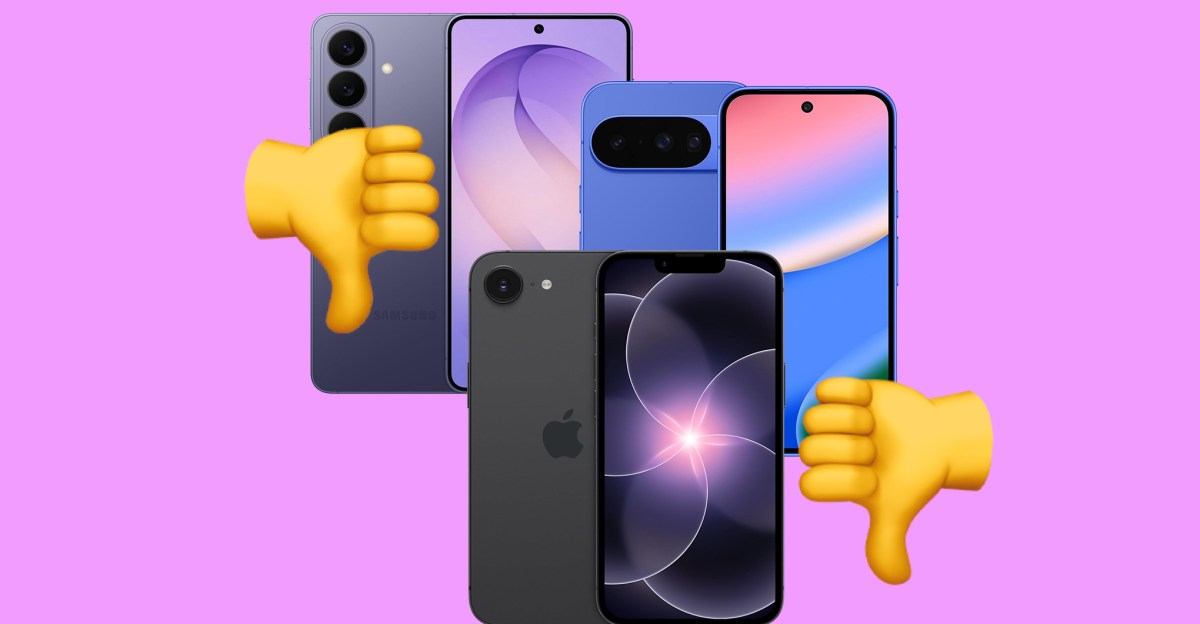

Apple and Samsung dominate the US phone market, and they’ve done so for years. Together with Google, they’ve shaped our sense of what a smartphone is and what it can do, pushing the boundaries of mobile photography, software, and processing power. But over the last few years, they’ve sat back, content to iterate rather than innovate — and in the interim, China’s tech giants have plowed ahead. Now a gulf is growing between the phones on sale in the US and those available in the rest of the world. US phone buyers are missing out.
Some of the blame for that gap lies with Apple. Where it goes, the market follows, and in recent years it’s gone slowly. But with new CEO John Ternus — a longtime hardware guy — ready to take the helm from this September’s iPhone 18 launch onwards, one can dream that Tim Cook’s cautious approach to iPhone spec updates might be behind us. If Ternus decides to pick up the pace, the rest of the US market might just follow.
US phones lag behind what’s on sale elsewhere in a whole host of ways, but the two big ones are cameras and batteries. The battery boost is a relatively recent phenomenon, the next step following years of Chinese phones offering faster and faster charging speeds (which still haven’t meaningfully reached the US). The bigger batteries are due to silicon-carbon cells, which use silicon to replace some of the graphite in a lithium battery’s anode. The resulting batteries are more energy-dense, allowing phones to fit much larger battery capacities into the same space. Regular-size phones have doubled in capacity over the last few years, while thin phones and foldables can now last longer than regular slab phones in the US — Honor’s Magic 8 Pro Air is almost as thin as Samsung’s Galaxy S25 Edge, but has a bigger battery than the S26 Ultra.
So far, the triptych of Apple, Samsung, and Google haven’t announced any phones using silicon-carbon cells, nor has any of them said they plan to — though a handful of Motorola and OnePlus models have been released in the US using the chemistry. By contrast, every major Chinese Android manufacturer has adopted it.
Part of the slow US adoption may be down to long-term performance concerns. Silicon-carbon cells have the potential to lose total capacity more quickly over time, so a bigger battery on day one may not stay that way forever. Chinese phone manufacturers say they’ve found solutions to offset that issue, but we’ll only have proof once the first generation of silicon-carbon phones start to age. It won’t help that maintaining 80 percent battery capacity after five years is a key requirement to avoid having to shift to user-replaceable batteries under upcoming EU legislation, another reason manufacturers might be cautious about putting cells’ longevity at risk.
There are no such excuses for lagging so badly when it comes to cameras. While Apple, Google, and Samsung have each led the industry on phone photography at one point or another, it’s hard to argue that any of them is best-in-class any more. Successive iterative updates have led to phones releasing with years-old hardware. Samsung is worst of all: its S26 and S26 Plus cameras have scarcely changed since the S22.
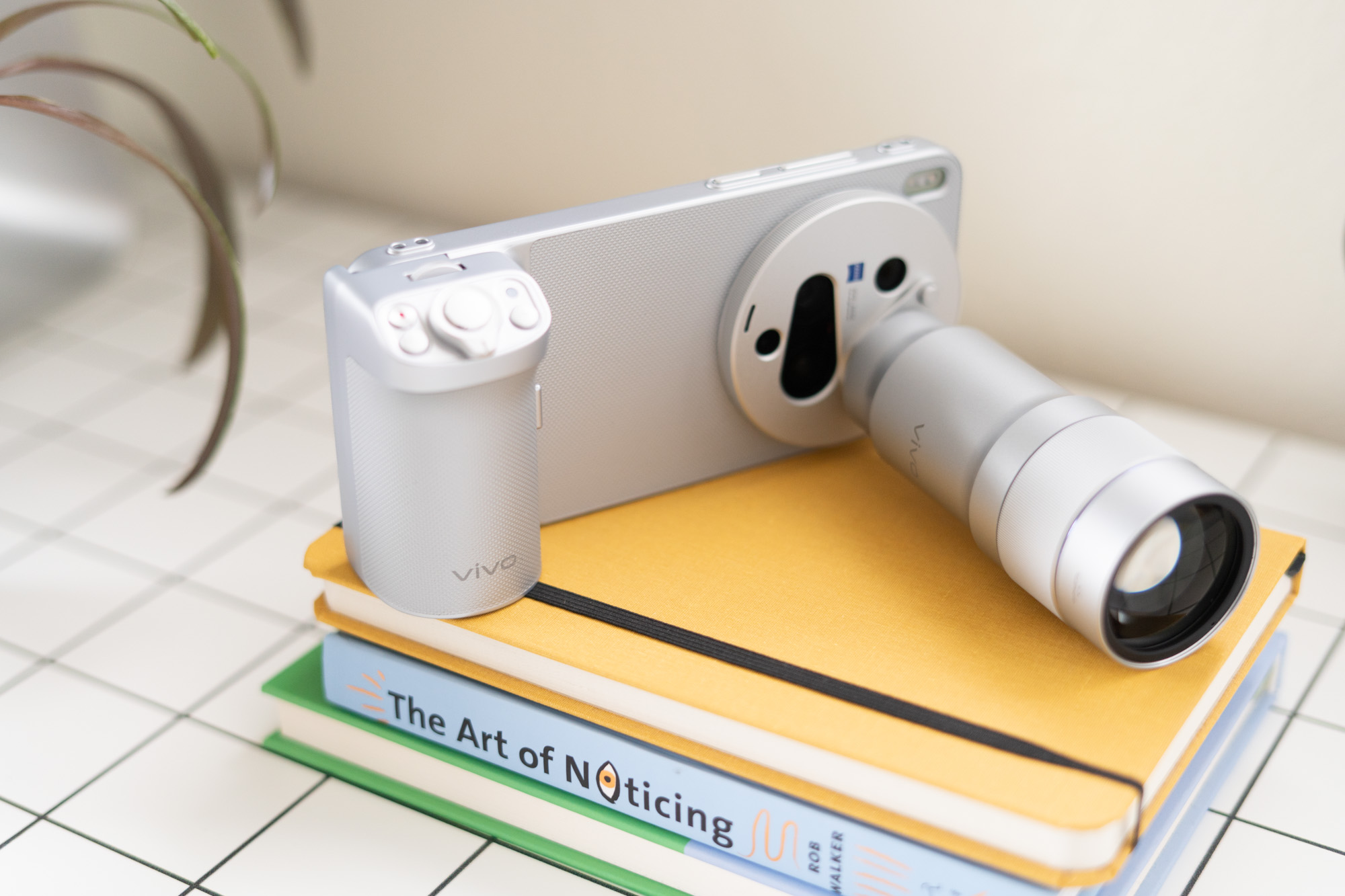
The big Chinese companies see cameras as their main battleground. Each year their Ultra flagships push the boundaries of resolution, sensor size, and aperture, and those improvements quickly trickle down to lower price tiers. Partnerships with the likes of Zeiss, Leica, and Hasselblad include custom lenses, collaborative color tuning and film simulations, and camera-inspired designs for the phones themselves. Over the last few years that development has leaped outside of the phones and into accessories. First there were official camera grips that include two-stage shutter buttons, zoom wheels, and built-in batteries; now you can buy telephoto extenders that vastly extend the camera capabilities at range.
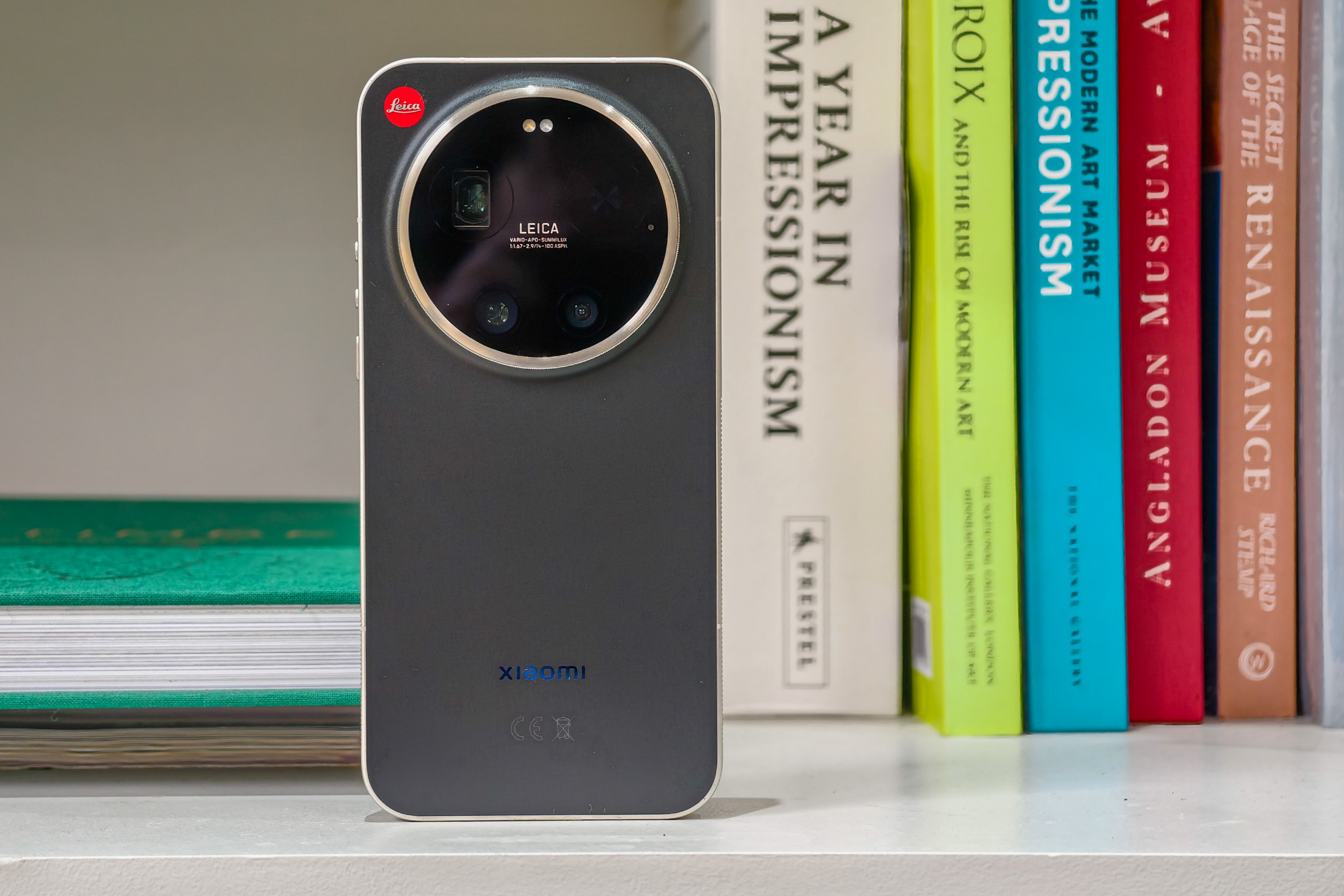
There are downsides of course. Bigger sensors and better lenses take up more space, and so these modern Ultra phones tend to have huge circular camera modules that can be almost as thick as the phones themselves. They’re powerful, but not exactly chic. I’ve long doubted whether Apple’s design team would ever be willing to adopt cameras this size, though the stretched out camera “plateau” on the iPhone 17 Pro suggests it might be moving in that direction.
Camera components are also expensive, cutting deeply into the margins on every phone built. Tim Cook, ever the pragmatist bent on slow-rolling product upgrades that maximize profit, presumably bristled at attempts to cut into the iPhone’s profit margins.
I’ve just started testing Vivo’s X300 Ultra, a phone that includes multiple 200-megapixel camera sensors, a large 6,600mAh silicon-carbon battery, and support for two different external telephoto extender lenses along with a grip that turns the phone into a true compact camera. Each of its three rear cameras uses a sensor comparable in size and specs to the main cameras found on the latest flagships from Apple, Samsung, and Google.
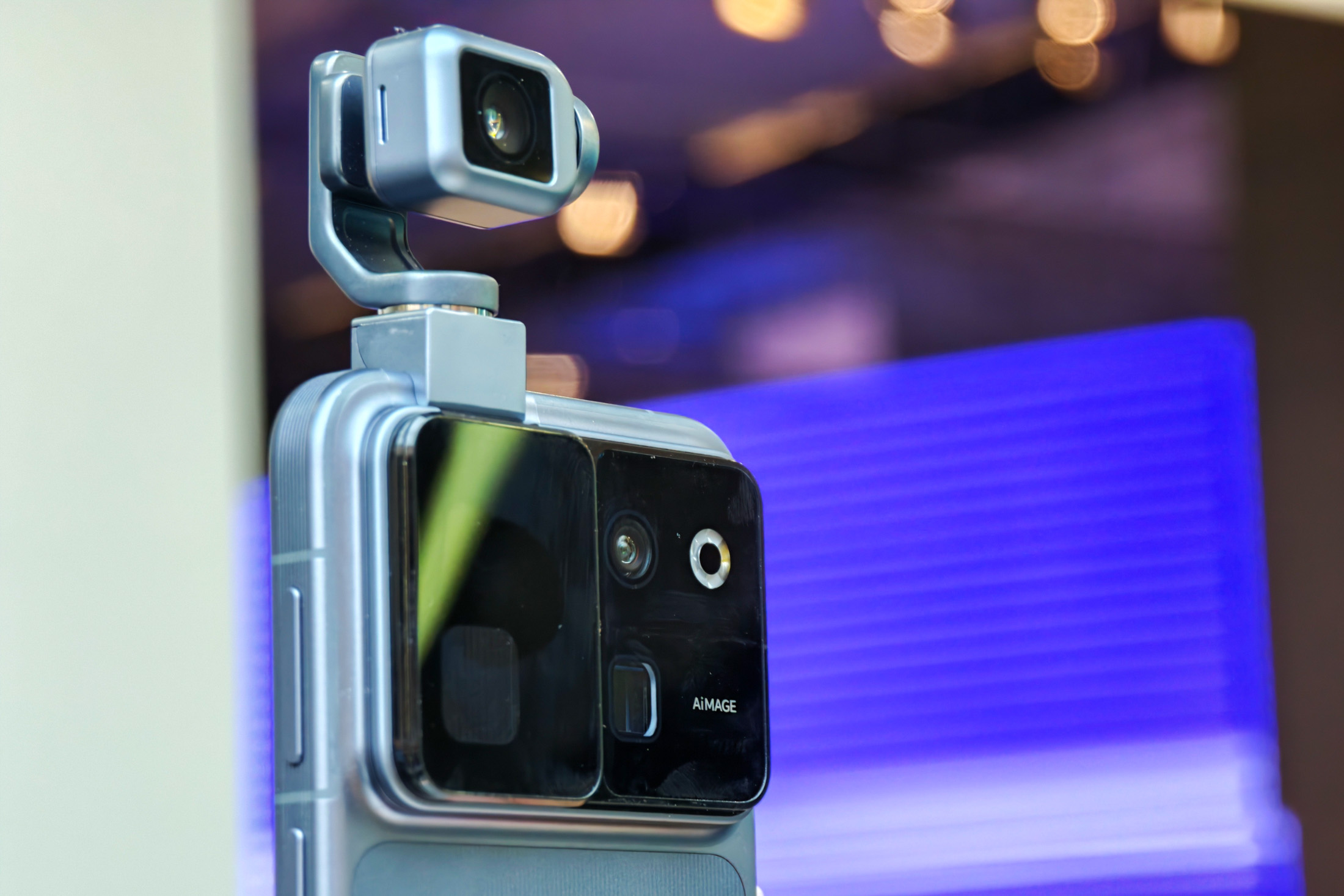
As impressive as the X300 Ultra is, none of that is novel. You can find all of those features across other recent flagships from Oppo, Xiaomi, and Huawei, along with a 10x telephoto lens far better than Samsung’s last attempt, a continuous optical zoom with a rotating camera ring to control the zoom, and a camera that switches between two lenses sharing a single sensor. Honor is even planning a phone with a robotic gimbal camera arm. The gap in photographic quality is so stark that when I tested last year’s Pixel 10 Pro XL — one of the best camera phones you can buy in the US — I spent the whole week frustrated by how limited its cameras felt compared to most Chinese flagships.
But it’s not just Ultra-class phones, and it’s not just batteries and cameras. The Honor 600 is cheaper than an iPhone 17, but has a 200-megapixel, 1/1.4-inch main camera, a 7,000mAh battery, and the highest possible IP69K dust- and water-resistance rating — in each measure better than the iPhone. Poco’s X8 Pro Max starts from $469, but has a 9,000mAh battery, 100W charging, and the same excessive IP69K rating. Pay a little more for the same company’s $769 F8 Ultra and you get a phone that includes stereo speakers and a subwoofer from Bose. There have been phones with RGB lighting, phones with liquid cooling, phones with color-changing designs, and phones with second screens on the back. None of them have launched widely in the US, thanks to a combination of skepticism toward Chinese tech giants and resistance from US carriers.
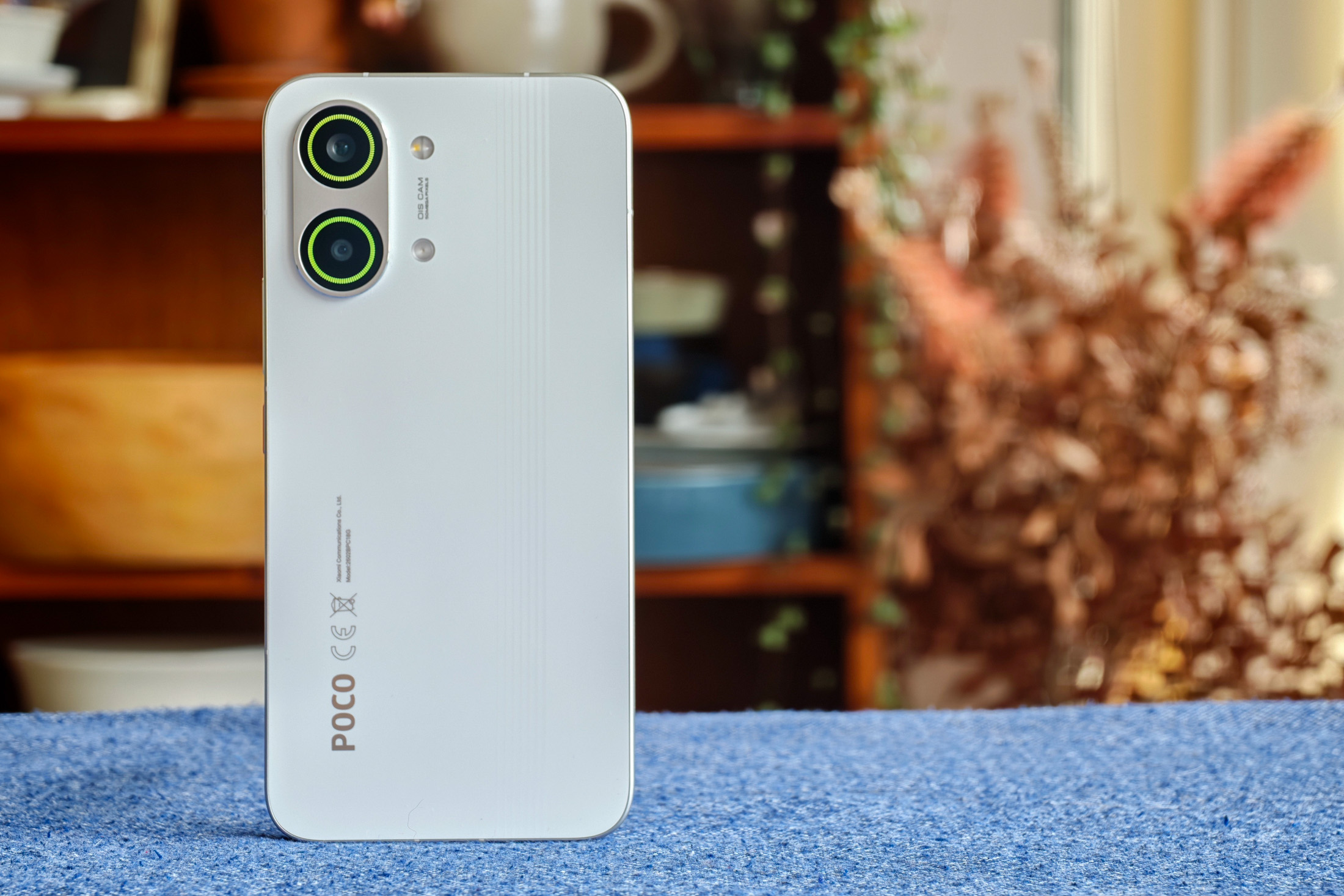
The US is a phone market with two main players: Apple and Samsung. Google’s Pixel phones may make the headlines, but it still has single digit market share. Motorola sells plenty of phones, but mostly its cheap ones, and with rumors swirling that OnePlus is planning to shut its US operations, there might be even fewer choices soon. You probably don’t want a phone with RGB lights or a subwoofer; I certainly don’t. But someone out there does, and in the US they simply don’t get the option.
Hardware isn’t everything, of course. Apple has done just fine for years while losing spec fights, relying on its product design, smooth software, and easy ecosystem to make up the difference. Google has some of the same advantages with its Pixels, and Samsung’s One UI is undoubtedly the version of Android most buyers are familiar with in the US. The software used to be a pretty major knock against the Chinese phone giants, but alongside hardware upgrades they’ve been steadily improving the look and feel of their versions of Android, even if they have often done it by aping Apple’s own design language.
I now prefer Oppo’s ColorOS to Samsung’s One UI, and thanks to excellent multitasking implementation it’s clearly the best software out there when it comes to foldables. It and other manufacturers are slowly reducing bloatware, cleaning up user interfaces, and optimizing underlying performance. There’s still work to be done, but less than ever.
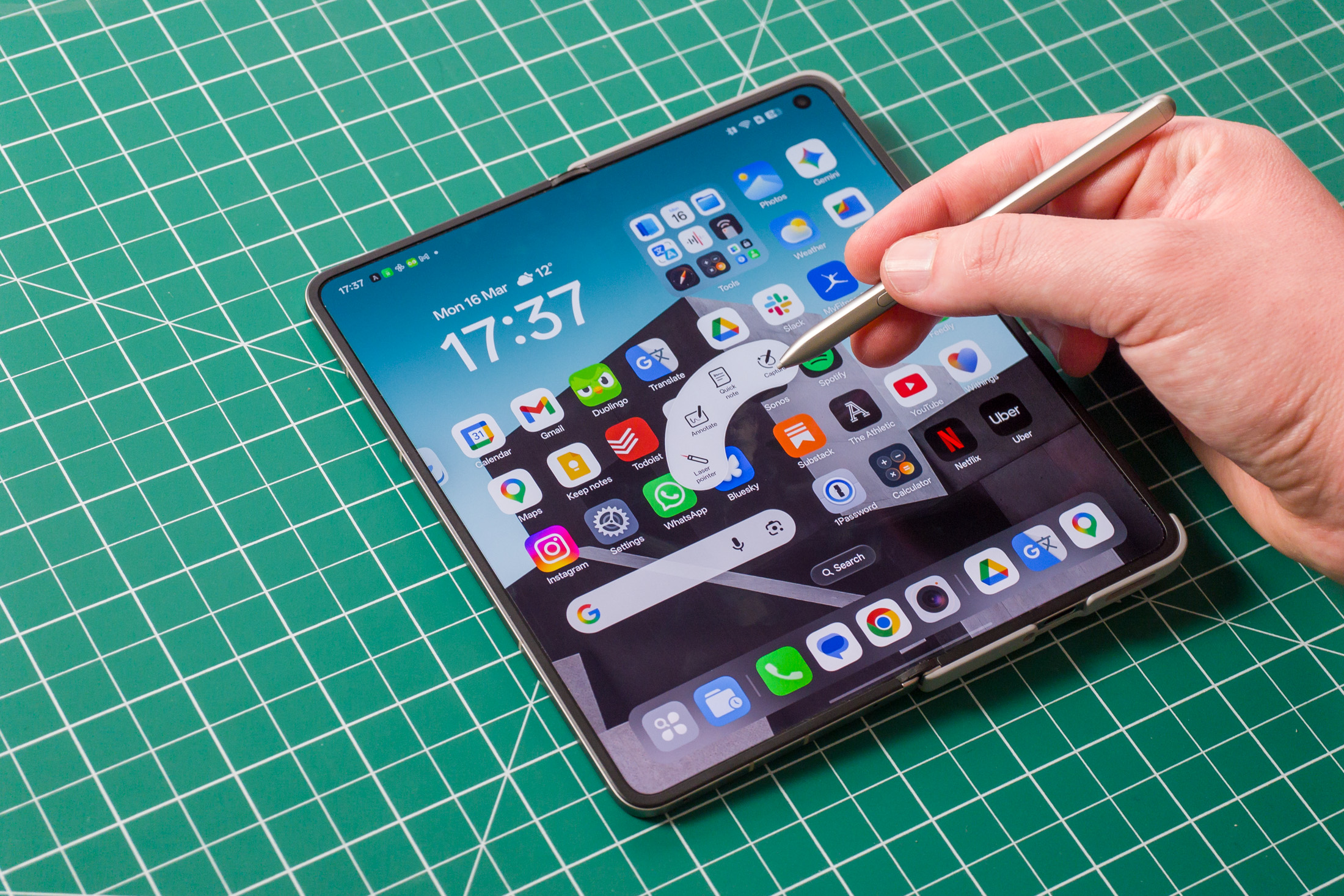
Taken together with divisive updates like Liquid Glass or the iPhone 17 Pro redesign, it’s clear US brands can’t rely on UI advantages forever. And as the spec gap grows wider, the problem worsens. My fiancée spent a decade using iPhones until she saw the photos I could take on a Vivo flagship. She switched to Android and hasn’t looked back. That was years ago; Vivo’s cameras have transformed in quality over that time while Apple’s are still about the same.
There’s reason to hope that Apple is ready to innovate again, and if it does, Samsung and Google will almost certainly follow. Maligned as it may be in some corners, the iPhone Air was the biggest shakeup to Apple’s phone lineup in years. It looks like a test run before Ternus introduces the first foldable iPhone later this year (with plenty to catch up on here too, now that foldables are waterproof, dustproof, and nearly creaseless). Bloomberg reports that he was “a champion” of the MacBook Neo, a more affordable laptop that arrived last month to rave reviews and excellent sales. It’s not all hits — another Bloomberg profile calls him “a driving force” behind the MacBook Touch Bar, and later the butterfly keyboard. Still, even failures like that are a sign of an executive willing to innovate, correct course, and move forward.
But there’s no guarantee Ternus is about to drive a renaissance for Apple’s iPhone innovation. He has a reputation for pushing engineering boundaries, but also a “Cookian eye for cost-cutting.” An economic environment in which component prices are only going up will make it harder to justify pushing the boat out on cutting-edge technologies while keeping the Apple money machine printing. And besides, Apple still has the largest share of the smartphone market worldwide, with only Samsung realistically capable of overtaking it any time soon. Xiaomi, in third place, has just two-thirds of Apple’s share. Throw in the risks that silicon-carbon batteries fall foul of EU legislation and that larger camera hardware could compromise the iPhone’s sleek design language, and I wouldn’t bet on Ternus throwing the iPhone into a spec war just yet.
No matter which Ternus shows up for work come October, his decisions will reverberate beyond Apple’s own walls and into Google and Samsung’s hardware teams. If Apple does start to push smartphone hardware boundaries again, it’ll be better for all of us — and no one more so than smartphone buyers in the US.
Read the full article here