


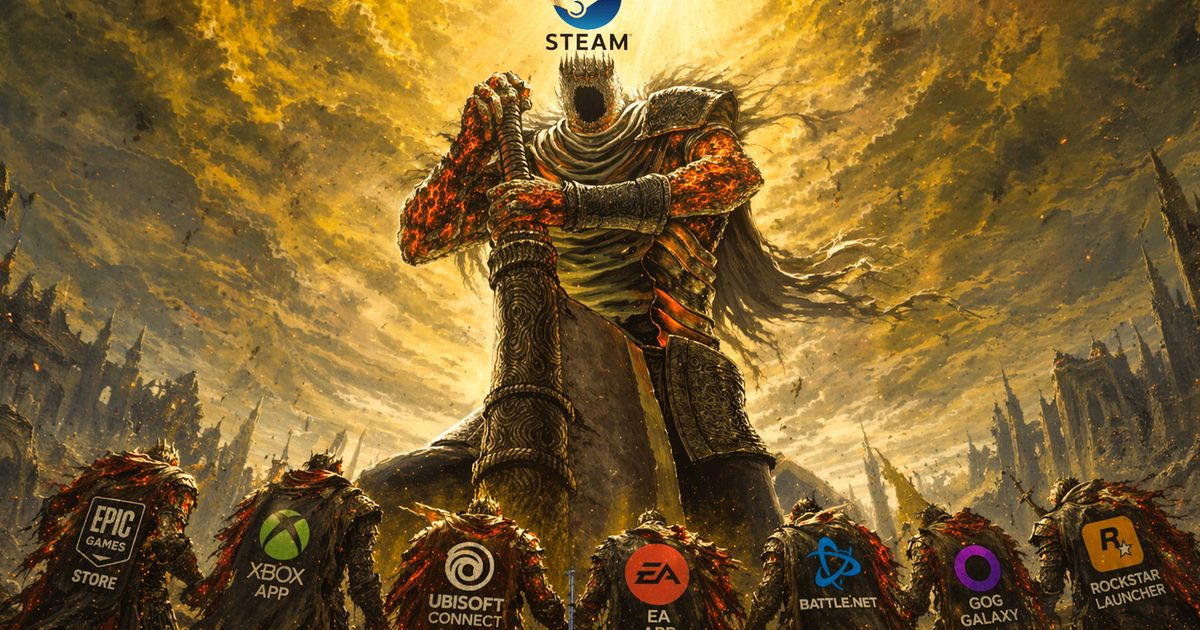

Open any gaming PC, and chances are the blue icon of Steam is sitting right there on the desktop. Not hidden, not optional, but almost expected. Over time, Steam has gone from being just another launcher to becoming the default storefront for PC gaming, almost like a built-in part of the experience.
The Monopoly Nobody Talks About
By most estimates, such as QuantumRun and IconEra, Steam controls roughly 70 to 80% of the PC digital distribution market. That is not just a strong lead. It is near-total dominance. At the same time, it follows the familiar 30% revenue cut model, with reductions kicking in at higher sales milestones. It is the same structure used by companies like Apple and Google, and it has been a point of criticism from developers for years.
In fact, in a previous GDC survey, it was revealed that just 6% of devs say Steam earns its 30% cut. On paper, all of this checks the boxes of a monopoly. High market share, a standard-setting fee, and a platform that is deeply embedded in user habits. In most industries, this would be where the backlash begins. But in PC gaming, something very different has happened.
“Valve is the only major store still holding onto the payments tie and 30% junk fee” – Tim Sweeney, CEO, Epic Games
The interesting part is that Steam is not alone. Epic Games Store made a very aggressive entry with a much lower 12% revenue cut and a steady stream of free games, including major titles that would normally cost a fair bit. Microsoft did something similar back in 2021, trimming the Windows Store fee from 30% to 12% for developers.
On paper, that sounds like a winning formula. Then there is Microsoft with its Xbox app and Game Pass, which has carved out a strong position in subscriptions. Publishers like Ubisoft and Electronic Arts have also tried pulling users into their own launchers to control distribution and revenue.
And yet, user behavior has barely shifted. Players claim their free games on Epic, install other launchers when required, and use Game Pass for specific titles. But when it comes to actually buying games and building a library, they almost always return to Steam. The competition exists, but it has not changed habits in a meaningful way.
Steam has had its own struggles, though
It would be unfair to say Steam has had a completely smooth ride. There have been moments where the community pushed back hard. Before 2015, the lack of a proper refund system was a major issue, eventually leading Valve to introduce the now-standard two-hour refund policy.
Similarly, the paid mods experiment for “The Elder Scrolls V: Skyrim” also sparked a strong negative reaction, forcing a quick rollback. Developers have raised concerns about discoverability, visibility, and, of course, the 30 percent revenue cut, which remains a contentious topic even today.
But here is the interesting pattern. These controversies create noise, Valve responds or adjusts, and then things settle down. There has never been a large-scale shift away from Steam because of these issues. People complain, but they stay. That cycle has repeated enough times to become part of the platform’s identity.
The Reason Gamers Don’t Mind
The simplest explanation is also the most important one. Steam works. Not just in the basic sense of launching games, but in the way it wraps the entire PC gaming experience into one cohesive ecosystem. Let’s start with performance and reliability.
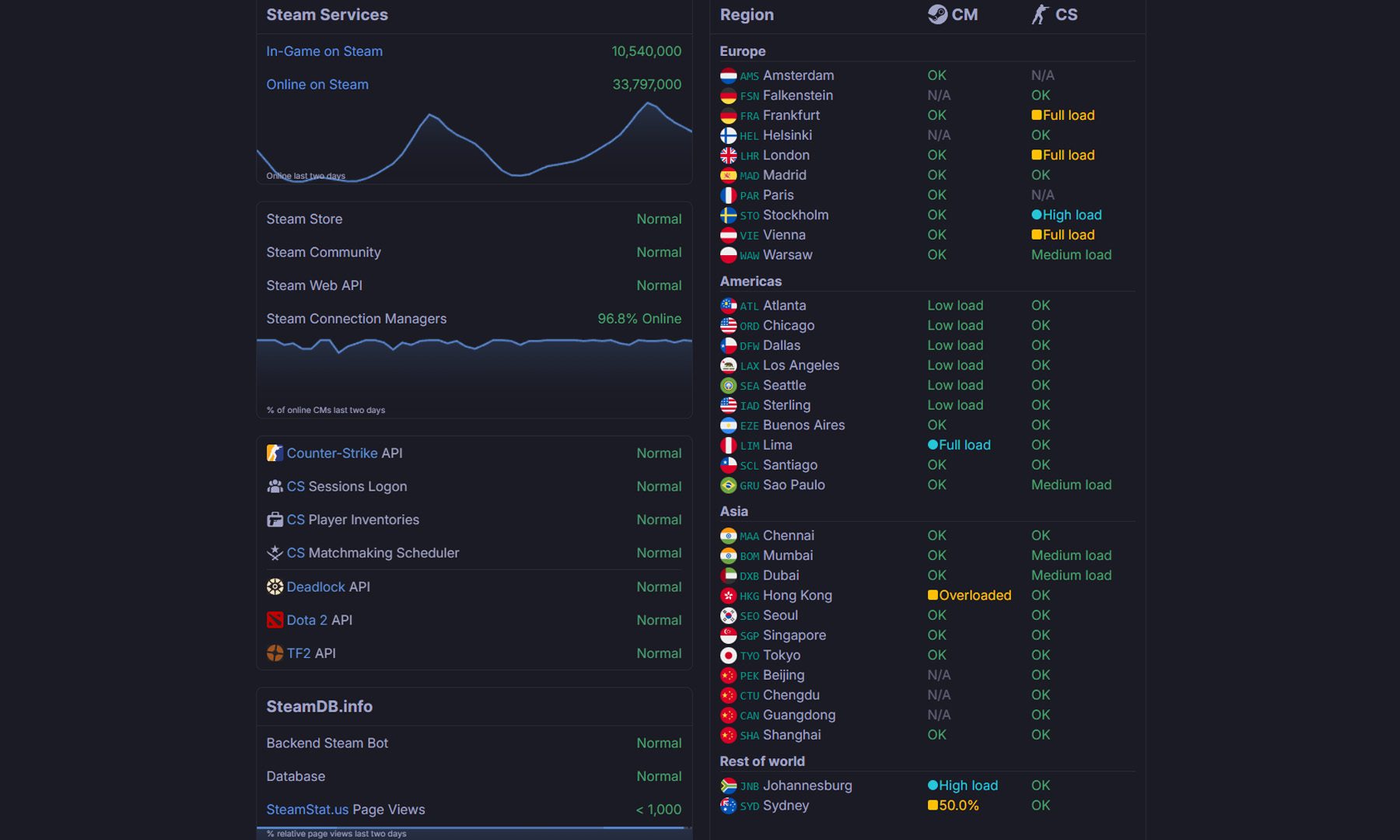
Steam’s servers are among the most consistent in the industry.
Downloads are fast, updates are handled smoothly, and outages are rare. The client itself is not the lightest piece of software out there, but it is stable, predictable, and rarely gets in the way. That alone puts it ahead of several competing launchers that still struggle with basic usability.
Then there is the feature set, which is where Steam quietly pulls ahead of everyone else. Cloud saves have been standard for years. Achievements, while simple, are deeply integrated. The Steam Workshop makes modding accessible even to casual players, turning complex installations into one-click processes.
Remote Play allows users to stream games to other devices or even play co-op with friends who do not own the game. Controller support is another standout, letting players fine-tune inputs in ways that most platforms do not even attempt.
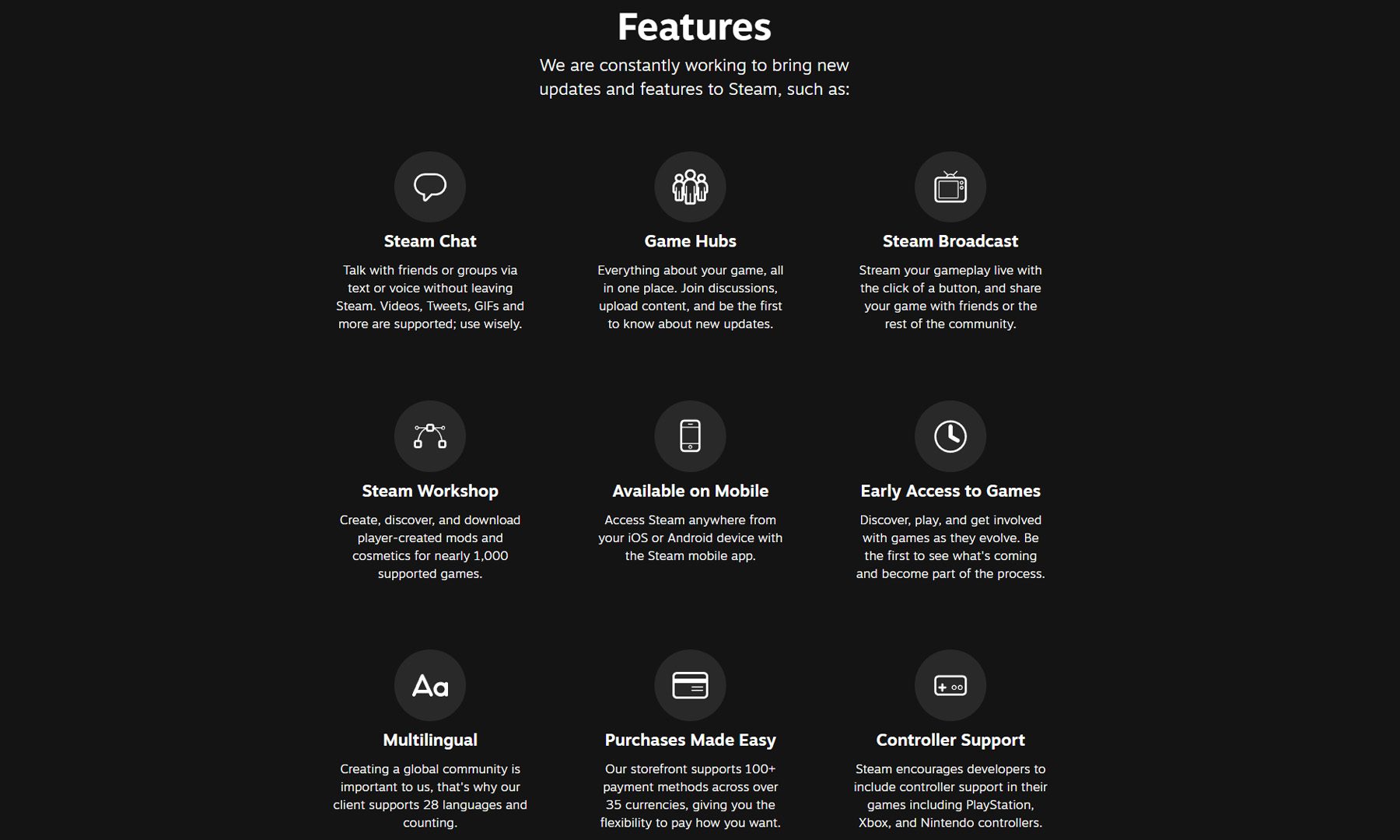
Over time, these features stop feeling like extras and start feeling like essentials. Heck, even Steam Chat is once again gaining popularity as one of the strongest Discord alternatives, ever since the latter started requiring IDs for verification. And honestly, that’s where competitors struggle.
The Epic Games Store may offer better revenue terms for developers, but it still lacks many of these ecosystem-level features. The Xbox app is great for subscriptions, but it does not provide the same sense of ownership or permanence.
Other launchers feel like tools. Steam feels like a home.
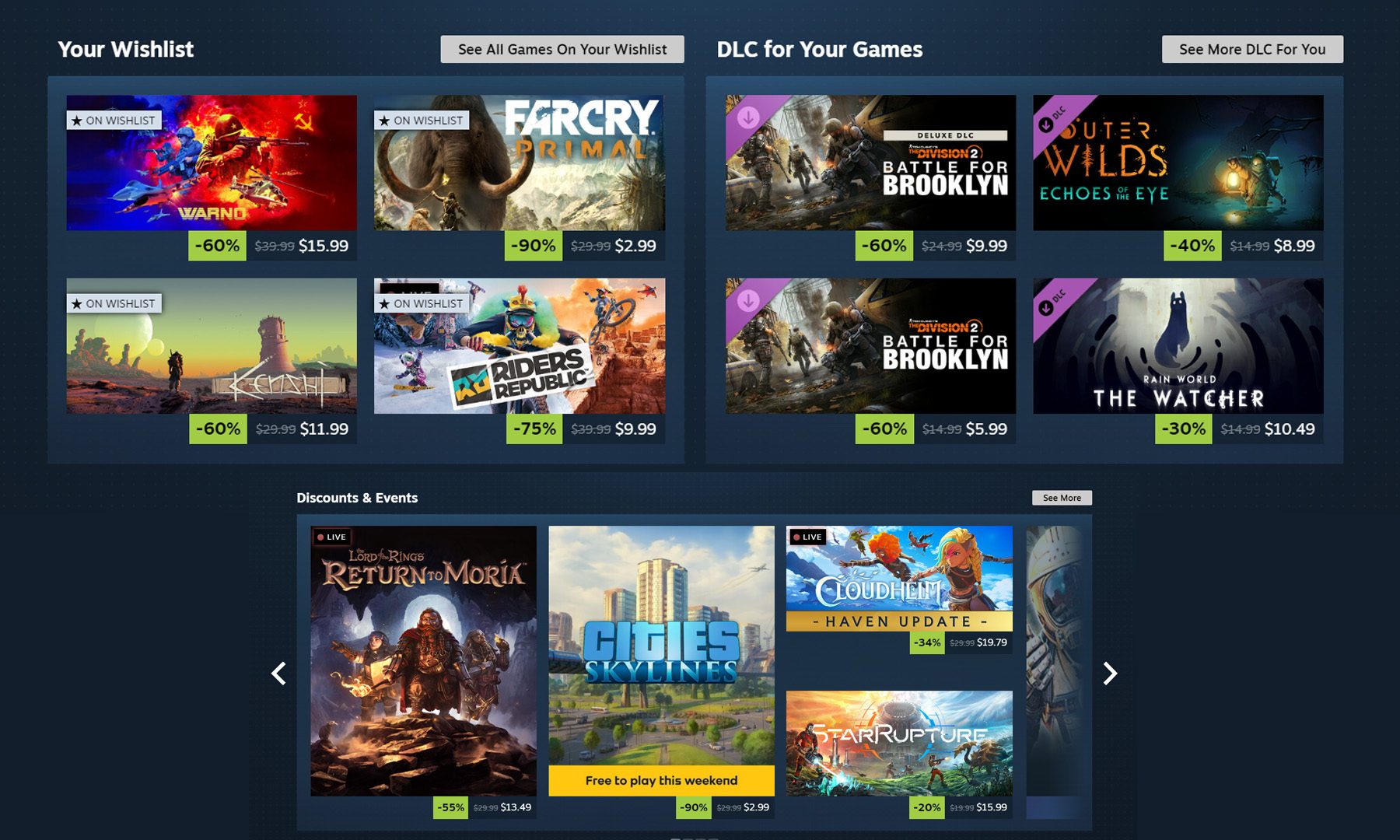
Sales play a huge role, too. Steam’s seasonal events have become a cultural moment in gaming. The Summer Sale and Winter Sale are not just discount periods. Instead, they are events that players actively look forward to. And they are treated with the same kind of excitement as Amazon’s own Prime Day sales fest, if not more so.
Deep discounts, flash deals in the past, and wishlist notifications create a loop that keeps users constantly engaged. Over time, this has trained an entire generation of gamers to associate Steam with value. Even if a game launches at full price, many users instinctively wait for it to drop during a sale.
The Ecosystem Effect Is Real
Another factor that often gets overlooked is the community layer. Reviews on Steam are not just a formality. They actively shape buying decisions. User tags, forums, guides, and discussion hubs turn each game into a living space rather than a static product page. This creates a feedback loop where players help other players, which in turn strengthens the platform.
There is also the matter of library lock-in, although it is less sinister than it sounds. Many players have spent years building their Steam libraries, sometimes owning hundreds of games. Switching platforms is not difficult technically, but it feels inconvenient. Everything is already organized, updated, and accessible in one place.
That kind of convenience is hard to walk away from.

The arrival of the Steam Deck has only reinforced this. By turning the Steam library into a portable experience, Valve has extended its ecosystem beyond the desktop. Features like Proton compatibility have also made it easier to run games across different systems, adding another layer of flexibility. It’s the same reason why gamers are actively looking forward to the Steam Machine, with console makers also understanding the threat that looms once Steam enters the home console space.
The Better Image?
It is also worth noting that Valve, as a company, operates differently from most of its competitors. Valve Corporation is privately owned and does not have the same pressure to chase quarterly results. That allows it to take risks, experiment with new ideas, and occasionally fail without turning those failures into aggressive monetization strategies.
An equally important aspect of the discourse around the leadership. Public-facing figures like Gabe Newell have also built a reputation for being relatively grounded, which indirectly adds to the platform’s goodwill. Broadly, Newell is perceived as “the good guy of gaming.”

And this is also where the comparison with Nintendo becomes interesting. Nintendo is beloved for its games, but often criticized for its pricing, online services, and hardware decisions. It is a love-hate relationship where players tolerate the flaws because the core experience is unique.
Steam sits on the other end of that spectrum.
It is not driven by emotional attachment in the same way, but it earns trust through consistency. It avoids friction instead of asking users to work around it. And it definitely helps that leaders like Newell often talk about games less like a cash-grab, and more like a good experience that should be a pursuit for all stakeholders — developers, publishers, and above all, the players.
The Good Monopoly
For gamers, Steam just makes sense. It’s fast, familiar, packed with features, and almost always the best place to grab a deal. For developers, though, it’s a bit more complicated, with over 50% devs believing Steam operates as a monopoly, as per Atomik Research’s survey. That split is what makes Steam such a weird case. It can feel frustrating from one side and incredibly convenient from the other. And somehow both can be true at the same time.
That’s the enigma here. Steam has all the signs of a monopoly, and yet, it doesn’t feel like one where it matters most. Gamers keep going back, not out of habit, but because nothing else feels as complete. Valve Corporation didn’t win by locking people in. It won by making sure they never really wanted to leave. And in a space where players are quick to complain about literally everything, that might be the most impressive part.
Read the full article here