





If you’ve ever owned an Exynos-powered Galaxy phone, you already know the drill: heavy tasks like capturing back-to-back pictures or photos for a while, heavy gaming, or rendering videos turn your device into a hand warmer.
In such a situation, the battery bar drops faster than usual as well. Turns out, Samsung might be working on the fix, and it’s coming in a way nobody expected.
So what exactly is GAIA?
Samsung has been shipping early samples of a custom AI chip codenamed GAIA to laptop makers like HP and Lenovo. It’s built on a 4nm process for handling on-device AI without cloud dependency (via Android Headlines).
Here’s the part that actually matters for your phone. Renowned tipster Ice Universe points out that GAIA comes out of the same System LSI division that’s responsible for Exynos mobile chips on Galaxy phones. That’s not a coincidence I’d ignore.
The chip uses a memory-centric design, placing compute power right next to custom DRAM. So, it can crunch chatbot requests and photo edits locally instead of outsourcing them to a cloud-based AI service provider.
To me, GAIA’s memory-centric architecture sounds philosophically similar to Apple’s unified memory: it reduces the distance between compute and memory to improve efficiency. However, unlike unified memory, GAIA appears to be an AI-specific optimization, at least for now.
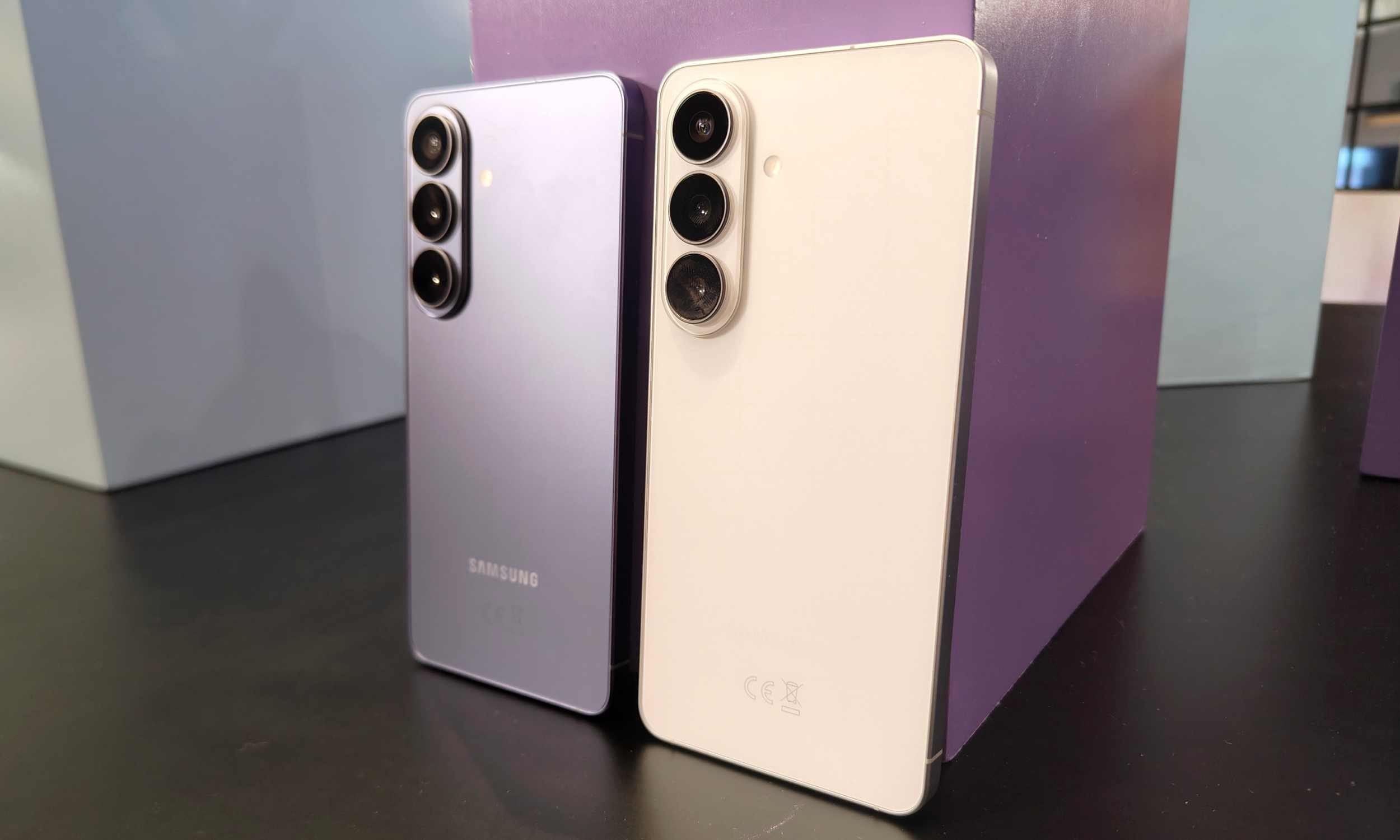
Could this actually make it into your next Galaxy phone?
Nothing’s confirmed yet. Furthermore, GAIA is still aimed at 2027 laptops for now. However, the architecture gives Samsung an obvious blueprint to scale down into future Exynos silicon. This could, in a very real way, tackle the thermal and AI-performance gap that has existed between Snapdragon- and Exynos-powered Galaxy S devices, something that I noticed on the Indian Galaxy S26 I reviewed earlier this year.
Worth noting, this wouldn’t fix everything. Samsung’s modem issues are a separate headache entirely; GAIA won’t touch those. Still, if this hardware layout eventually lands in an Exynos chip, it’d be the most credible fix Samsung has offered yet.
Samsung’s willingness to test cutting-edge silicon in laptops before phones isn’t entirely new. If the company validates GAIA’s memory-centric design at scale in PCs first, it de-risks bringing that architecture into a phone chip people actually depend on daily.
Read the full article here