



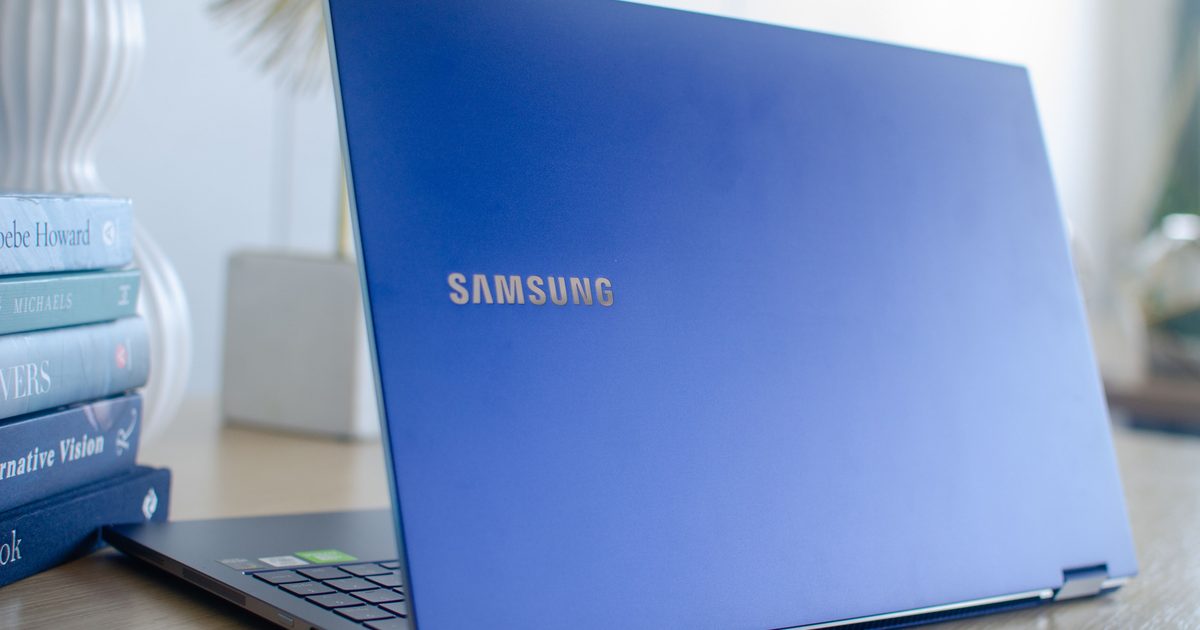

Samsung’s laptop lineup might undergo a major shift. According to a SamMobile report, Samsung is actively developing Galaxy Book laptops that run on Android rather than Windows.
It would represent a fundamental change in how Samsung builds its laptop experience, moving away from Microsoft’s operating system entirely and bringing its Galaxy devices closer together under one unified software identity.
How will Samsung’s Android Galaxy Book laptops differ from current Windows models?
The upcoming Galaxy Books will run Android 17-based One UI 9 software. Samsung already runs One UI across its phones, tablets, smartwatches, and even TVs. Bringing it to laptops would create a much more consistent experience across its entire product lineup.
The underlying platform is likely to be Google’s upcoming Aluminium OS, which is an Android-based version of ChromeOS designed for laptops and PCs. Samsung already sells Galaxy Chromebooks, so the transition is not entirely out of left field.
Samsung is also planning an improved version of Samsung DeX, its desktop productivity mode, which is expected to integrate more seamlessly with DeX on Galaxy phones and tablets. Galaxy AI features are also expected to be on board.
How many Galaxy Book Android models is Samsung planning?
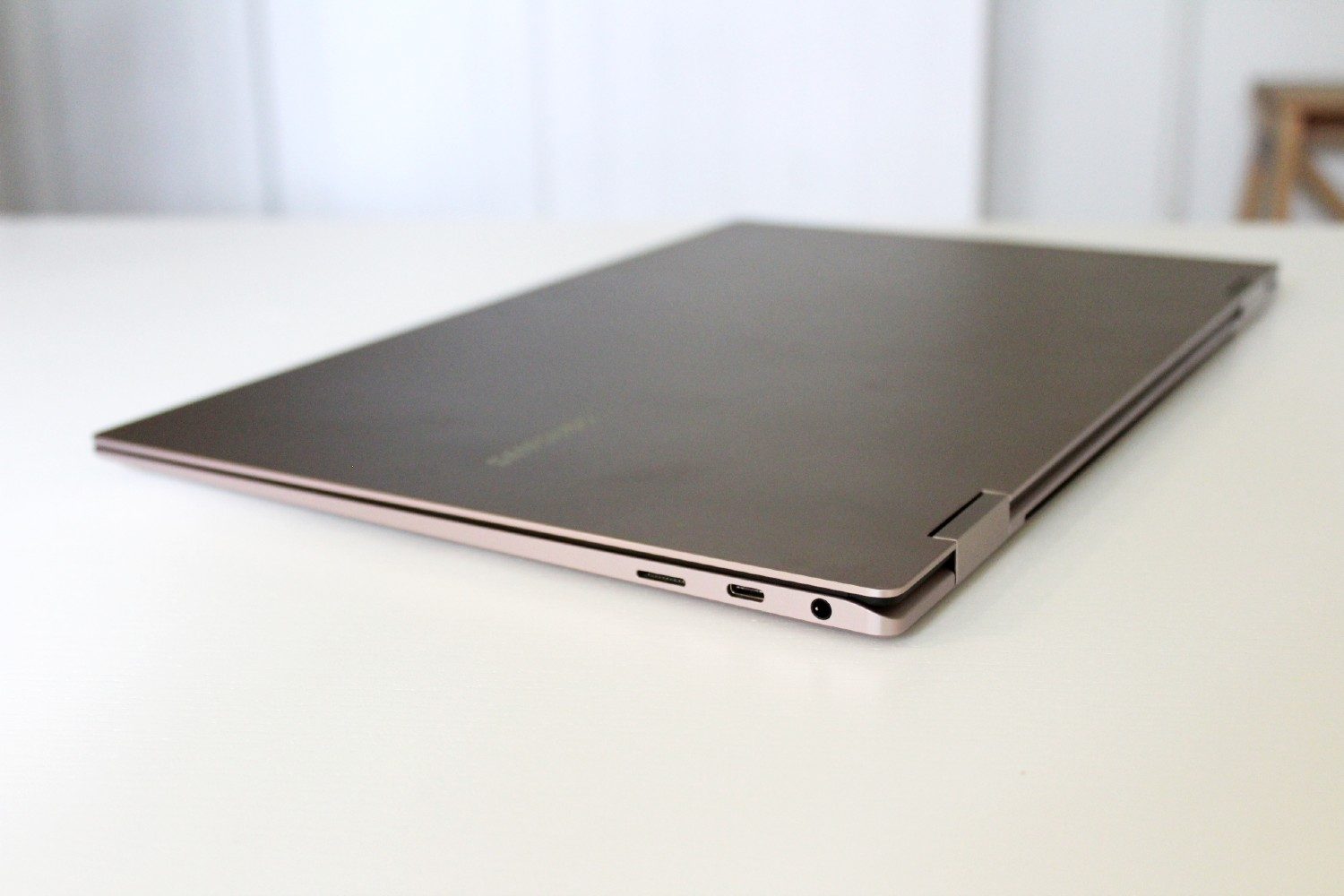
The report suggests that Samsung is developing three tiers of Android-based Galaxy Books covering low-end, mid-range, and flagship segments. The flagship model is said to feature a very sleek design.
As for timing, Google is expected to unveil Android 17 and the next version of ChromeOS at Google I/O in May 2026, which means Samsung’s One UI-based Galaxy Books could potentially arrive before the end of this year. Nothing is confirmed yet, so treat this as a very credible but still early-stage development.
Samsung’s current Galaxy Book lineup already runs Windows, with the Galaxy Book 6 series competing closely with the MacBook Air in terms of price. The recently leaked Galaxy Book 6 Edge, powered by Qualcomm’s Snapdragon X2 Elite, showed premium specs but fell short of being the bold MacBook rival many were hoping for. An Android-based Galaxy Book running One UI could change that conversation entirely.
Read the full article here