


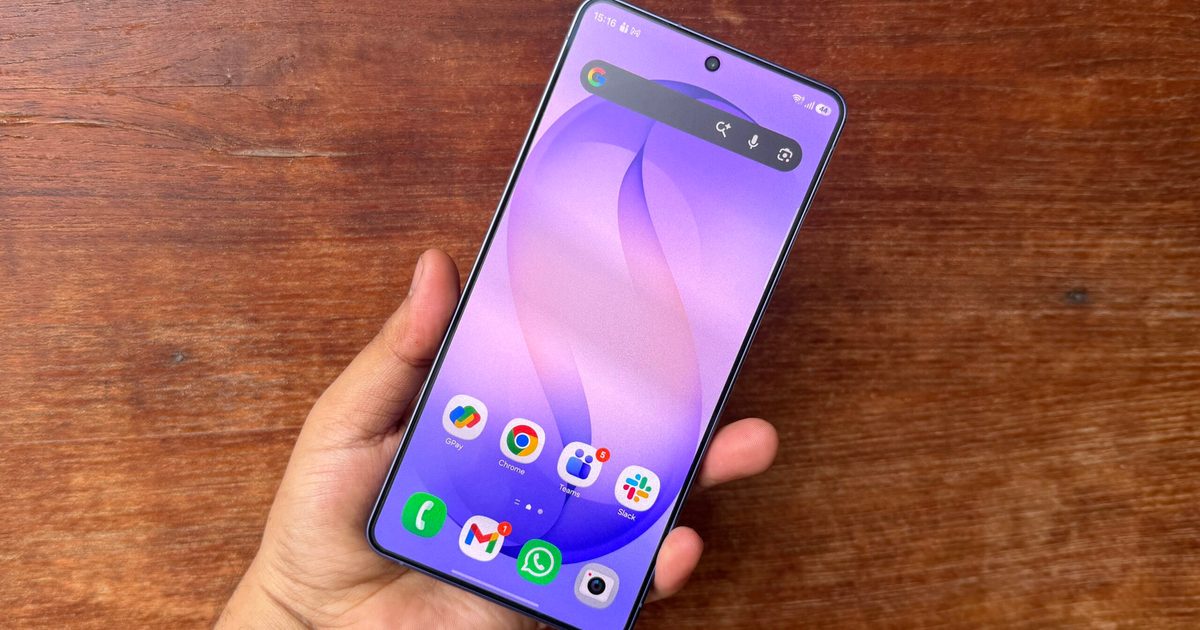

Samsung Galaxy phones have had a lockdown mode for years. It’s a manual option tucked inside the power menu that disables fingerprint and face unlock and forces a PIN entry.
It is a useful last resort for situations where someone might force you to unlock your phone with your face or finger. The problem was that most people either didn’t know it existed or never used it in the first place. One UI 9 fixes that, and it does so by removing the choice entirely.
What exactly changed in the power menu?
Spotted by SammyFans and corroborated by members of the r/oneui community on Reddit, One UI 9 Beta 2 (based on Android 17) changes how lockdown mode behaves.
The dedicated lockdown button has been removed from the power menu altogether. In its place, you’ll see medical info, a more contextually useful option for first responders in an emergency.
Lockdown itself hasn’t been removed; it has simply become automatic.
The moment you open the power menu and dismiss it, One UI 9 activates lockdown. It locks the phone and disables fingerprint recognition and face unlock. The only way to unlock it is to enter the PIN, pattern, or password.
Is this actually better or just more annoying?
I’d say that it is significantly better. The old implementation required you to think straight in a moment of stress, locate the right button, and press it before handing your phone over or, worse, having it taken from you.
The new implementation removes that cognitive burden entirely. Opening the power menu is already a natural reflex when you sense something is wrong, and reaching for the side button is instinctive. Samsung has effectively turned that instinct into a security action without any additional step needed.
For now, the feature is live in One UI 9 Beta 2 and has not been confirmed for the stable release. Given that Samsung has not officially announced this change, it could still be modified before One UI 9’s stable release ships to the public.
Read the full article here