

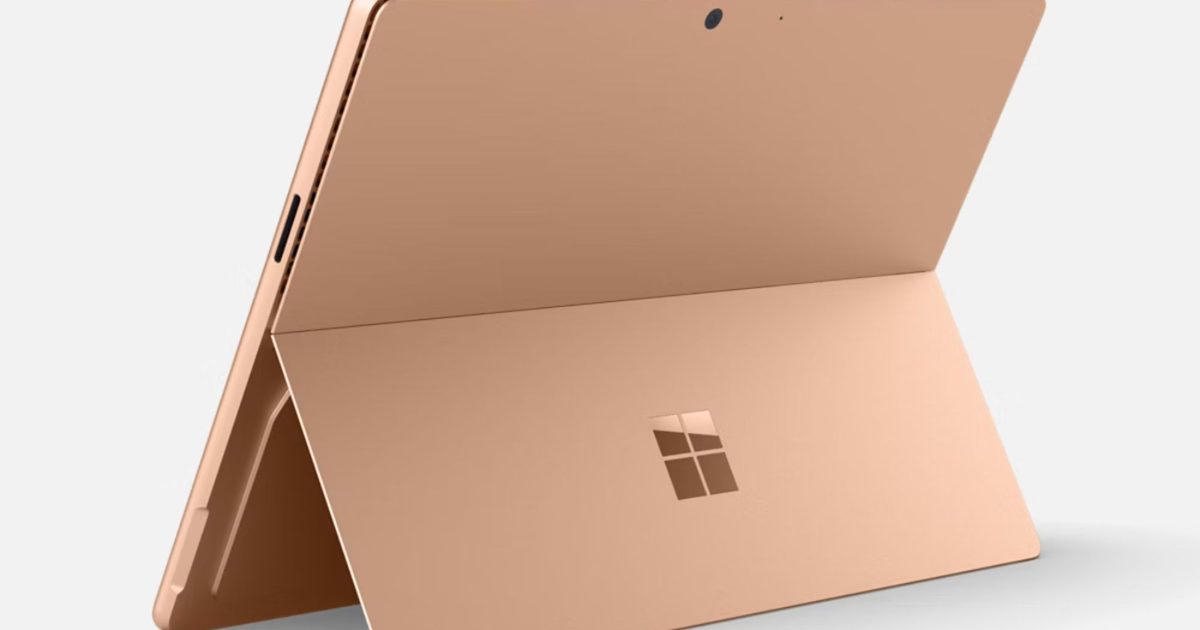

The tech industry’s favorite balancing act is getting harder by the month. Component prices are rising, memory costs refuse to settle down, and laptop makers are scrambling to keep sticker shock under control. Microsoft’s latest Surface refresh feels like a direct response to that problem.
The company has introduced new entry-level versions of its 12-inch Surface Pro and 13-inch Surface laptop, offering lower starting prices without changing the processor or storage. On the surface, that sounds like good news for budget-conscious buyers. Dig a little deeper, however, and you’ll find a compromise hiding in plain sight.
The price tag went on a diet
Instead of lowering the cost of existing models, Microsoft has created new configurations with 8GB of memory. That decision allows the company to advertise lower starting prices while keeping the rest of the hardware largely unchanged. It’s a clever solution, but not necessarily one customers were hoping for.
For casual users who spend most of their day browsing the web, answering emails, attending classes, or working in Office apps, 8GB may still be perfectly adequate. But memory is one of those specifications that tend to matter more over time than on day one. As apps become heavier and multitasking grows more demanding, that extra headroom starts to feel valuable.
The AI club now has a velvet rope
The RAM reduction creates another wrinkle: these systems no longer qualify as Copilot+ PCs. Microsoft currently requires at least 16GB of memory for its Copilot+ certification, which means buyers of the new models miss out on the collection of on-device AI features available on higher-end Surface devices.
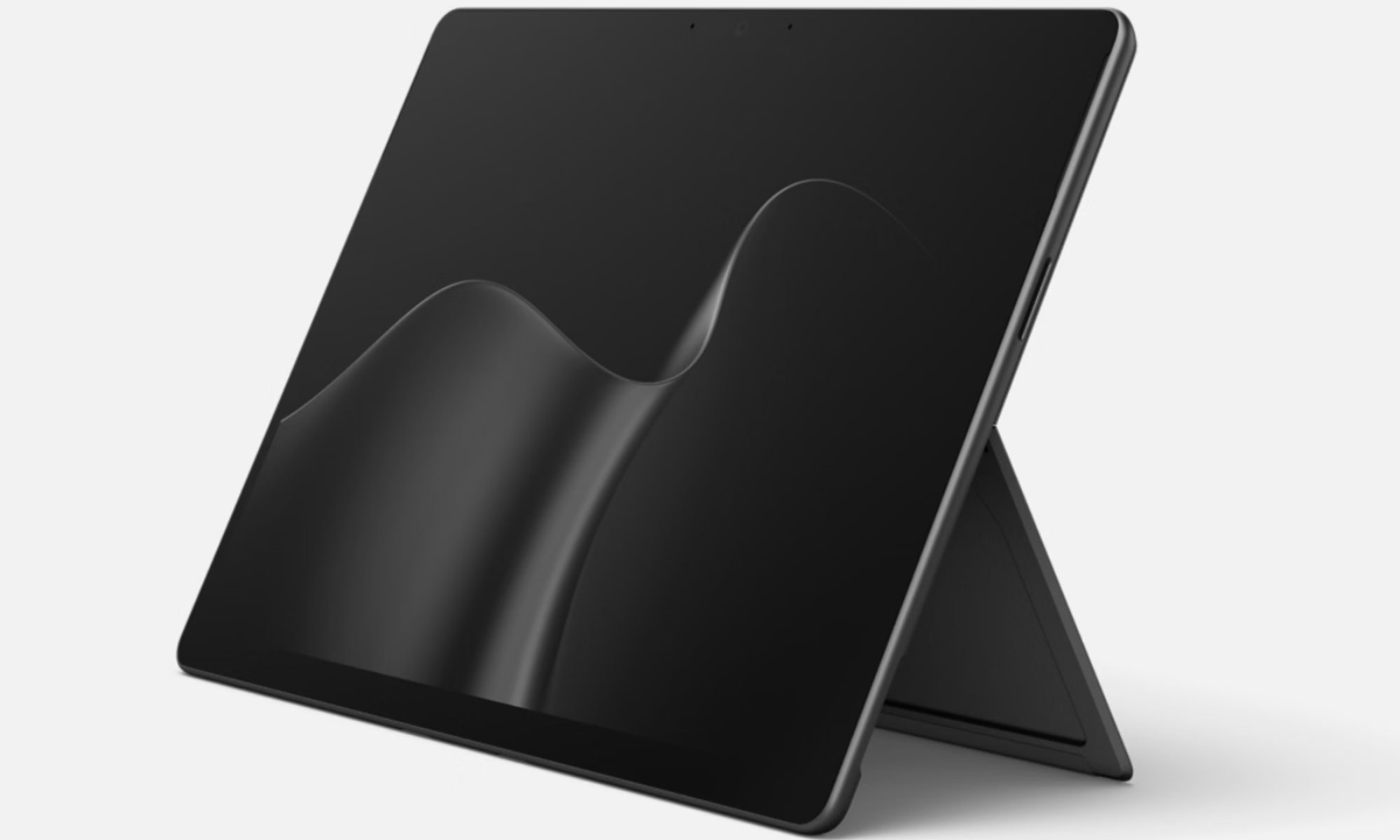
That’s arguably the more significant thing here. Over the past year, Microsoft has positioned Copilot+ as the future of Windows PCs. Now, some brand-new Surface devices are arriving without access to that future. To be fair, Microsoft’s flagship Surface models still start with 16GB of RAM. These new variants appear designed to create a more accessible entry point rather than redefine the lineup. Still, the move feels like a sign of the times. When hardware costs rise, something has to give. This time, it was memory.
Read the full article here