

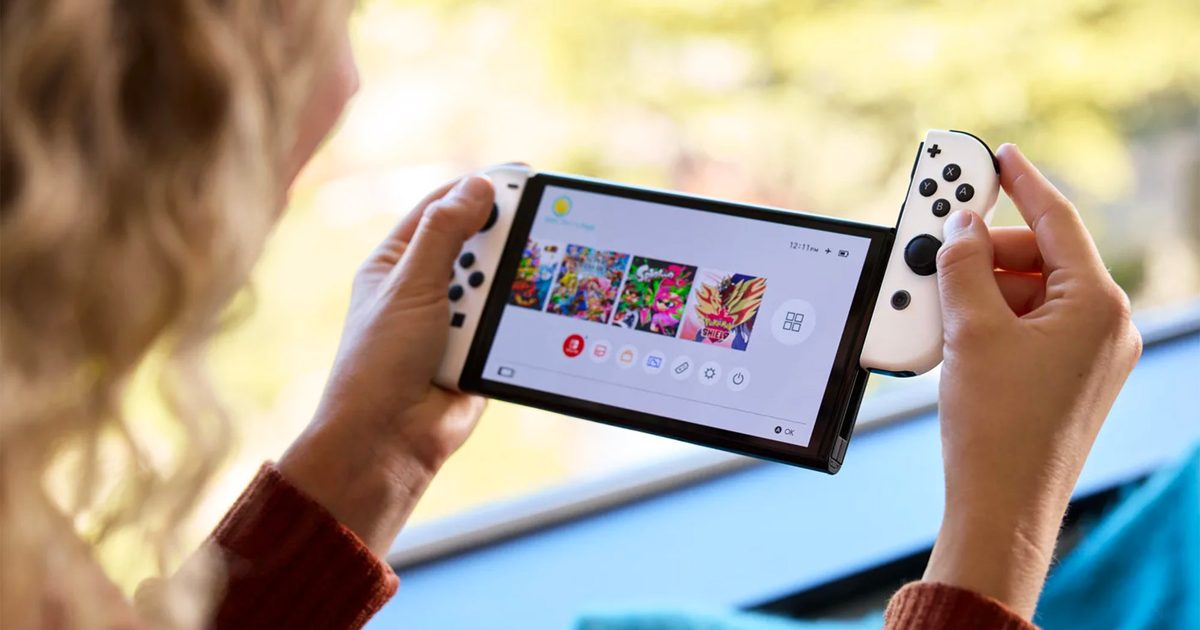

My original Switch should feel retired by now. It has the thick bezels, the aging screen, the tired battery life, and the unmistakable aura of a gadget that has survived too many backpacks. Next to Switch 2 and the current wave of handheld PCs, Nintendo’s first hybrid console looks hopelessly outgunned.
And yet, I keep picking it up.
My standards are not heroic here. I want to wake it and start playing before the part of my brain that checks battery percentages gets involved. I use the old console in 2026 because it’s almost annoyingly direct.
That shouldn’t feel radical. Somehow, it does.
Simple is still a feature
Low bar, sure. Portable gaming has done impressive work finding ways to trip over it. The Switch 2 is the obvious upgrade, and Nintendo’s newer system has the stronger hardware argument. It costs $449.99, though, which isn’t exactly an impulse upgrade when my old Switch already has the games I bought for it.
The PC-based rivals make a fair case, especially machines like the Steam Deck OLED and ROG Ally X. They’re faster, sharper, and much better at making my old Switch look like a lunchbox with buttons. On paper, they win easily.
In my hands, the math gets less tidy.
More power means more chores
Expanded access also means more ways to manage the act of playing. A handheld PC can be brilliant, but it can also bring Windows, launchers, battery estimates, storage juggling, graphics presets, update prompts, and the quiet suspicion that I should spend 20 minutes tuning a game before enjoying it.
That’s great for people who like having control. Sometimes, I do too. I’m not pretending my Switch can stare down an ROG Ally X and win a spec fight without embarrassing itself in public.
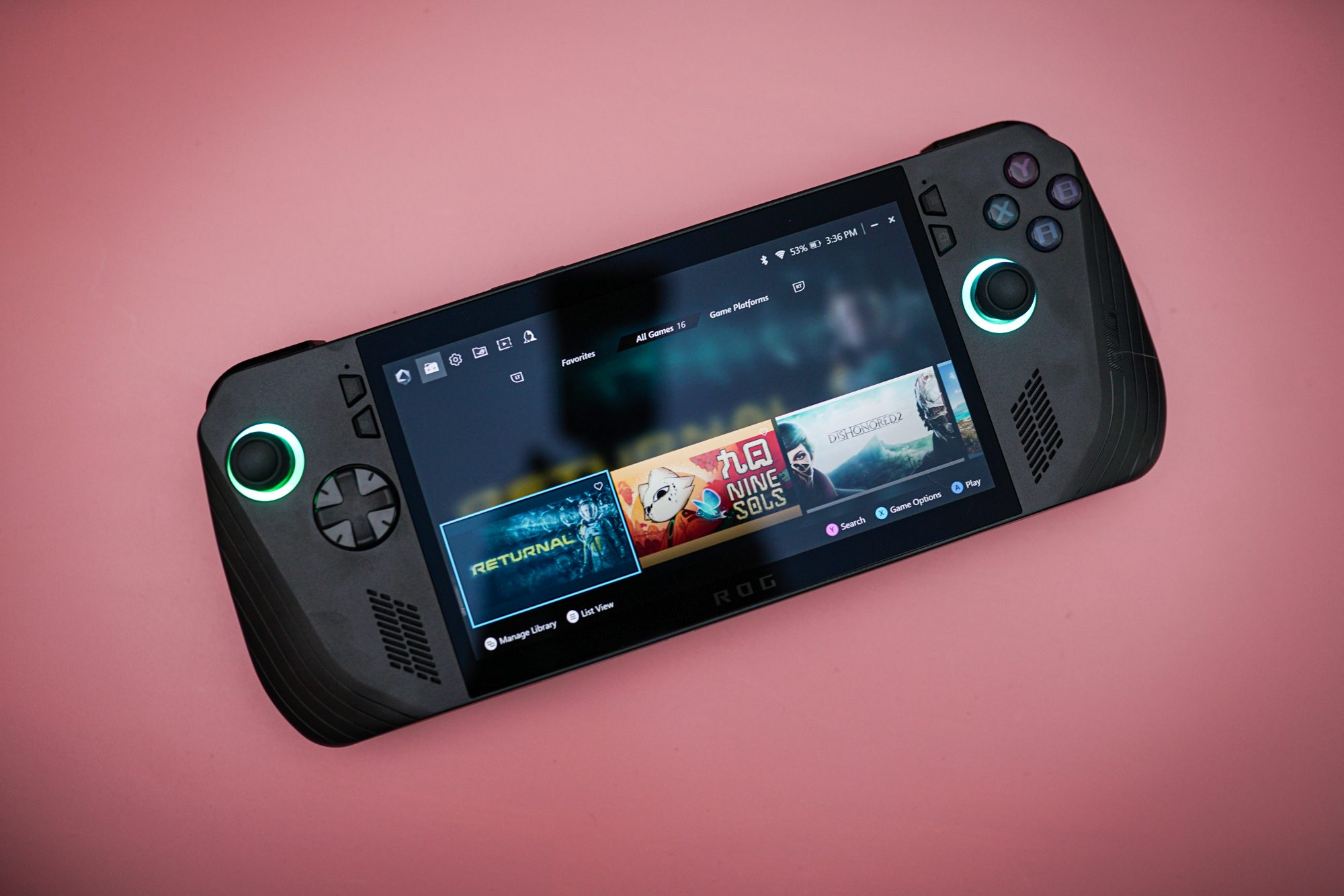
But that’s also the point. My Switch doesn’t invite me to optimize anything. It just sits there, slightly dusty, waiting to be useful. And that’s coming from someone who absolutely loves tinkering with settings.
Good enough is underrated
The real trick is that Nintendo’s first Switch has become useful in a boring, durable way. It’s familiar. It’s portable enough. It has years of games behind it, from Nintendo’s first-party staples to indies that still make sense on a small screen. Its best feature in 2026 isn’t the Tegra chip, obviously. It’s the fact that I already know what happens when I undock it.
Nintendo is still feeding that library in odd little ways. Pokémon FireRed and LeafGreen came to Switch in February as standalone releases, dragging two Game Boy Advance games from 2004 into the same eShop as the company’s newest hardware. That’s very Nintendo, for better and worse. It also helps explain why my old Switch refuses to feel fully finished.
I don’t miss 2017. I miss a gadget that already knows its job. My games are there. My saves are there. So is the same little click when I slide the Joy-Cons into place.
The original Switch isn’t winning 2026 by being the best handheld. It’s winning by being the least needy one in the room.
Read the full article here