



Blood sugar does not always move in ways people expect.
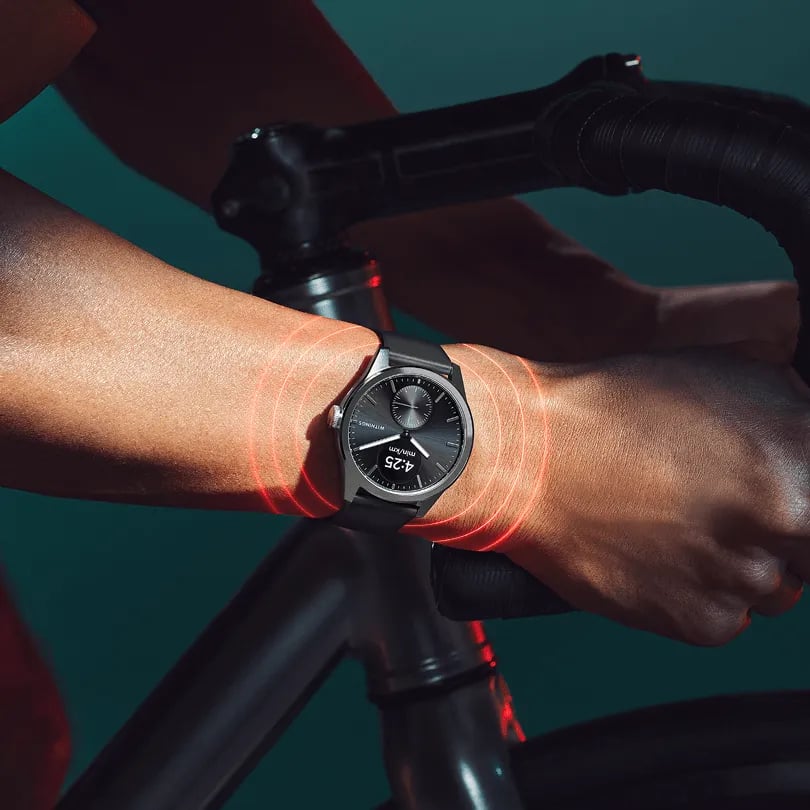
An ordinary meal, a hard workout, a restless night, or a stressful day can all change the numbers. Patterns often need a few days to appear, and Withings ScanWatch 2 adds wrist-based context as they form.
In the Withings app, glucose data is easier to read with spike insights, Time in Range, and Diabetic Mode. Abbott’s Lingo integration adds the continuous glucose stream behind those views.
Glucose spikes can reveal what is driving blood sugar changes
A glucose reading gives one snapshot, but spike tracking shows the rise or drop around that number. Rapid changes often follow refined carbs or sugary foods, although exercise, stress, and poor sleep can also affect blood sugar.
No two bodies respond exactly the same way. Pasta with little fiber or protein, for example, may raise blood glucose by 40 to 60 mg/dL. Sugary drinks may raise it by 50 to 80 mg/dL, while meals with protein, fat, and fiber often produce a smaller 10 to 30 mg/dL rise.
Withings’ meal logging feature lets people record what they ate alongside their glucose data, making food-related responses easier to spot later. Over time, someone may notice which breakfasts keep glucose steadier or which snacks lead to bigger swings.
ScanWatch 2 adds sleep tracking to that picture. After a restless night, the next day’s glucose readings may look different than expected, even when meals have not changed.
Time in Range shows whether glucose stays within target
Time in Range adds a duration check to glucose tracking. Instead of focusing only on the size of a spike, it shows how much of the day glucose stayed inside the selected target zone.
A high post-meal reading may not tell the whole story on its own. If glucose settles back down soon after, the spike may be something to note. Repeated time above range after the same meal may point users toward a closer look at timing, portion size, or food pairing.
What’s hot at TechRepublic
Diabetic Mode changes how Withings reads glucose ranges
Glucose ranges need context because not every user is watching the same target. Withings has Diabetic Mode, which changes how the app defines “in range” when reviewing glucose patterns.
With the default setting, the smartwatch uses a tighter range for people watching everyday blood sugar patterns: 70 to 140 mg/dL. The app expects glucose to stay in that range at least 96% of the time.
Diabetic Mode widens the range to 70-160 mg/dL and changes the Time in Range goal to at least 70%. The app uses a different target depending on the type of glucose tracking involved.
Say someone reviews their glucose after dinner and sees several readings above the default range. In the regular view, the day may look mostly out of range. With Diabetic Mode turned on, the same readings are reviewed against diabetes-related ranges, making the summary easier to understand.
Lingo brings continuous glucose data into the Withings experience
Abbott’s Lingo brings glucose data into Withings through an over-the-counter monitor for adults who want to understand their response to food, exercise, stress, and daily routines. In the US, that data can sync into Withings through Apple Health on iOS and Health Connect on Android.
Because the Lingo view is meant for general glucose awareness, Withings does not treat it as a diabetes-management tool. People with diabetes often need glucose systems cleared for medical use, including insulin dosing guidance, so Diabetic Mode does not appear for this data.
ScanWatch 2 adds wrist-based context around glucose changes. Sleep quality, heart rate, activity, blood oxygen levels, breathing patterns, and temperature variations can indicate what was happening in the hours before or after a rise or drop.
Lingo supplies the ongoing blood sugar data. ScanWatch 2 adds the surrounding health signals. In the Withings app, both help people read glucose changes across meals, sleep, activity, and longer-running patterns.
Blood sugar data is becoming the next big wearable race, and our guide shows where the major players actually stand.
Read the full article here