




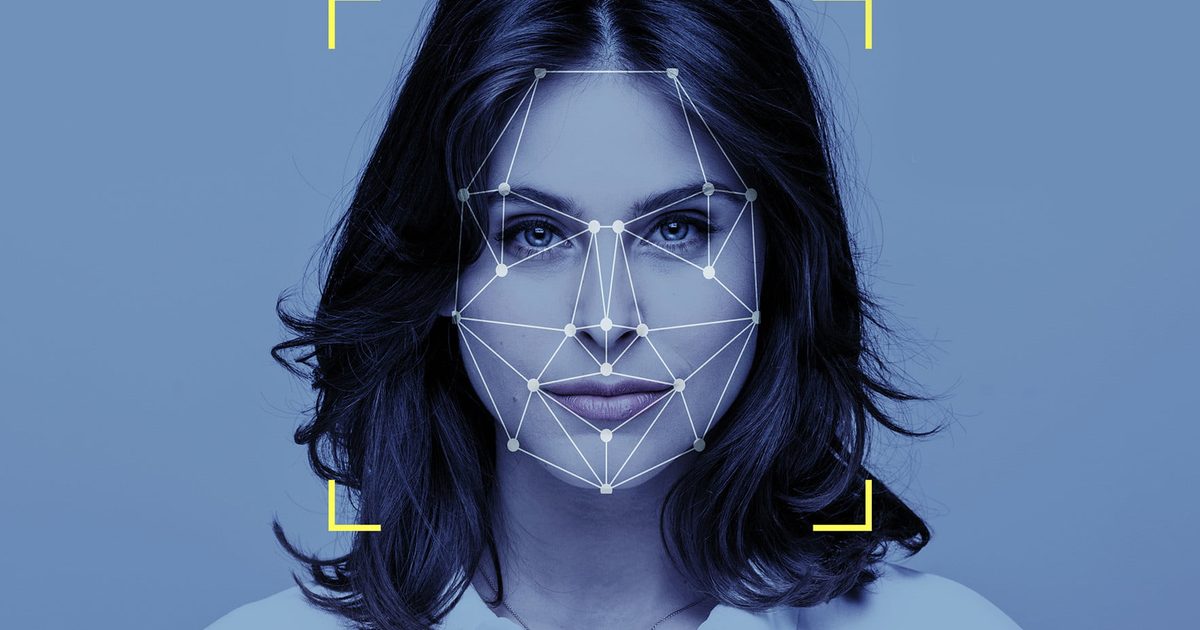

Madison Square Garden has spent years using facial recognition technology to monitor who enters its venues. Now, that same surveillance system is at the center of what could become one of the year’s most troubling privacy breaches.
The cybercrime group ShinyHunters has published a massive cache of data allegedly stolen from Madison Square Garden Entertainment after the company missed a ransom deadline. According to reports, the leak includes facial recognition records, customer information, internal security assessments, and other sensitive data tied to millions of visitors. While large-scale breaches have become depressingly common, this one feels different. Most data leaks involve passwords, email addresses, or financial information. This breach reportedly includes something far more personal: information connected to how people were monitored and identified in physical spaces.
When the security camera becomes the target
For years, MSG’s facial recognition program has been controversial. The company has used the technology across its venues to identify visitors and, in some cases, enforce policies that attracted scrutiny from privacy advocates and regulators. Critics have long warned that collecting large amounts of biometric data creates an attractive target for hackers. This breach appears to validate those concerns.
According to reports, the leaked files include biometric tracking information, internal risk assessments, background-check data, and records tied to attendees. The dataset allegedly includes customer correspondence, including messages from visitors who were concerned about being misidentified by facial recognition systems. If accurate, that means complaints about surveillance practices were stored alongside the surveillance data itself.
The breach that exposed more than customer records
What makes the incident particularly notable is the broader question it raises about surveillance technology. Organizations often justify facial recognition systems as tools for safety, security, or operational efficiency. But every camera, database, and profile creates another repository of highly sensitive information that must be protected. And the more comprehensive those records become, the more valuable they are to cybercriminals.

The breach also arrives less than a year after another major cybersecurity incident involving MSG, adding to questions about how organizations handle the growing volumes of personal information they collect. For now, many details remain unclear. The full scope of the leaked records has not been independently verified, and Madison Square Garden Entertainment has not publicly confirmed the extent of the breach. Still, the story may ultimately be bigger than one company. The incident highlights a reality that often gets overlooked in conversations about surveillance technology: collecting data is only half the equation. Protecting it may be the harder part. And when that protection fails, the consequences can extend far beyond a stolen password.
Read the full article here