



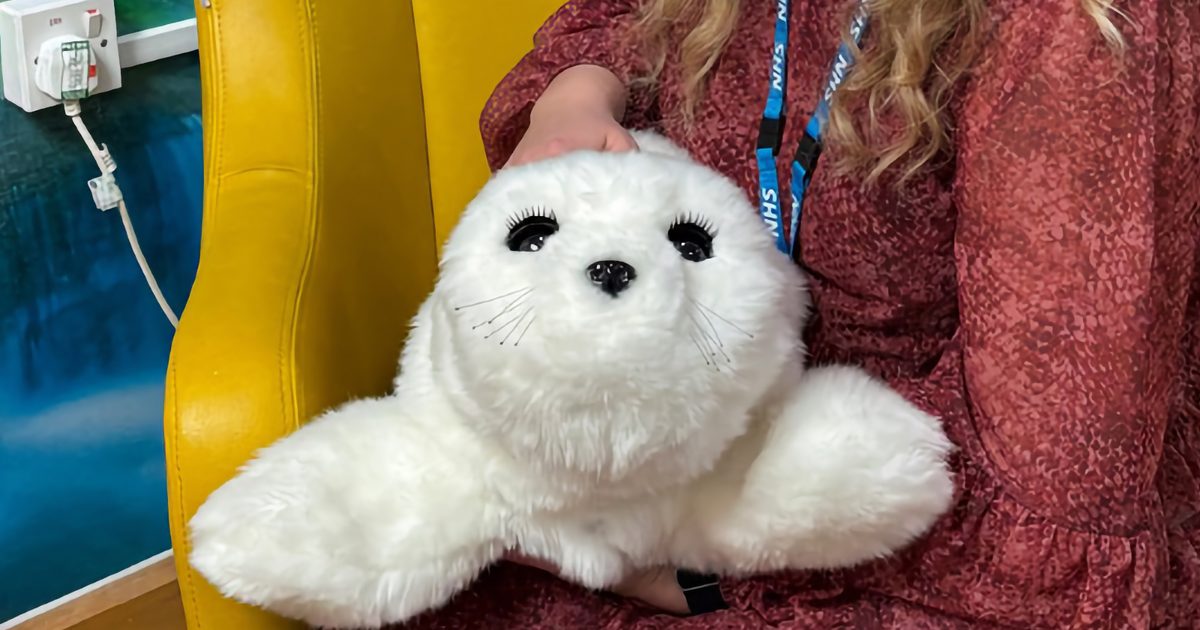

A baby seal robot for mental health care might sound like something out of a sci-fi movie, but Kent and Medway Mental Health NHS Trust is actually piloting one in its outpatient clinics, and the idea makes a lot of sense when you dig into it.
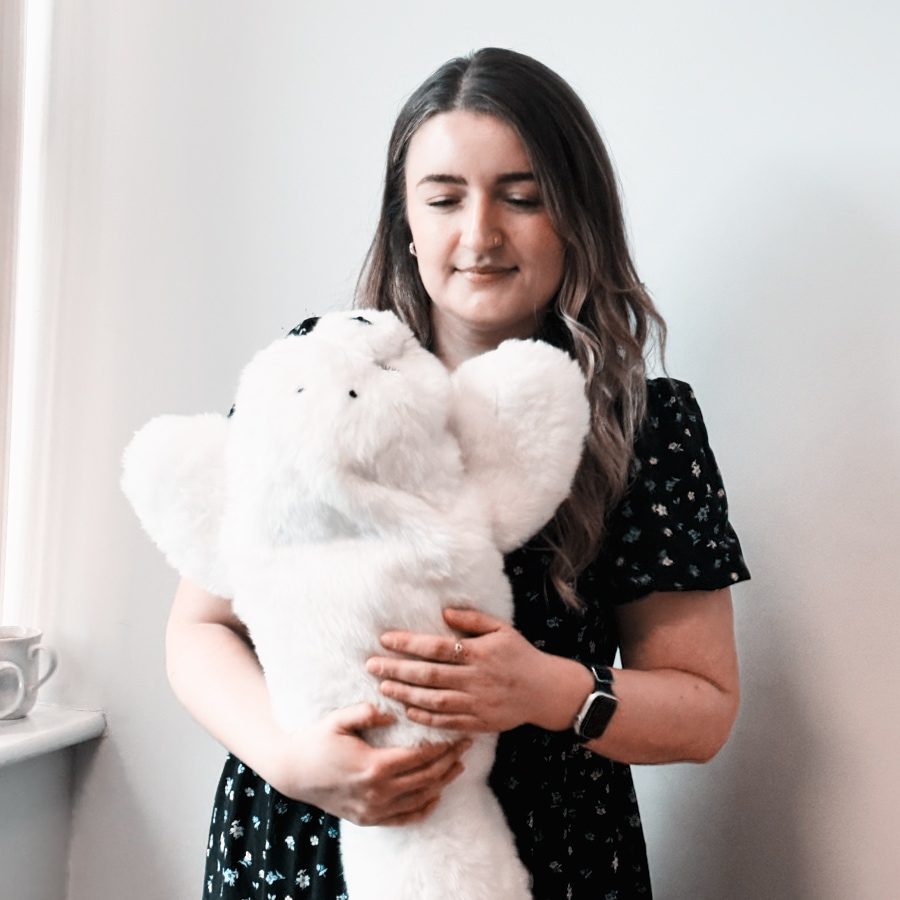
It’s a PARO robot (a personal robot designed for therapeutic purposes) which looks and behaves like a baby seal. It responds to touch, sound, light, and temperature with gentle movements and soft sounds. Think of it like a therapy animal, but without the unpredictability of a real animal. You can hold it, interact with it, and it reacts back.
Why does this matter for mental health appointments?
Going to a mental health appointment can feel overwhelming for many people. For patients with learning disabilities, hospital environments can be especially difficult to navigate. The robot gives patients something calming to focus on during those moments.
Dr Sharna Bennett, Senior Resident Doctor at the trust, highlighted this point and said, “PARO offers a gentle, person-centred way to help people feel more settled and engaged, so we can focus on their needs. It supports the reasonable adjustments we already make to improve care.”
PARO is already widely used in dementia care internationally, where it has shown promise in reducing anxiety. This pilot will test whether it can do the same in learning disability services, where the research is still catching up.
Is this actually working?
The doctors know that this will not work for everyone. The pilot is specifically designed to figure out which patients benefit, how it should be used, and where its limitations lie. If the results are positive, the trust plans to expand its use to other settings, including inpatient services for older adults.
The UK seems ahead of most countries when it comes to mental health issues. Recently, we covered that some UK schools are testing VR headsets to relieve students’ stress and fix their attention issues.
Other countries should also follow this trend and take mental health care seriously, and search for non-pharmaceutical treatments to help people cope with today’s lifestyle-induced stress.
Read the full article here