



AI can now answer questions so quickly that the search itself can feel optional. That convenience worries the Royal Observatory Greenwich, which has warned that instant AI answers can weaken the curiosity, scrutiny, and source-checking behind real knowledge.
The risk hides inside the usefulness. Chatbots can help people test ideas, move faster, and find new angles, but a finished response can also cut users off from the messy trail that makes learning stick. When that happens, information arrives without the struggle that turns it into judgment.
How much thinking should AI do for us
The Royal Observatory’s argument carries weight because it comes from an institution built on patient observation, not quick summaries. Paddy Rodgers, director of Royal Museums Greenwich, points to the habits that scientific discovery depends on, asking better questions, weighing evidence, and following leads that don’t look useful at first.
Astronomy’s own history backs him up. Early observers gathered vast records about the heavens, and later generations found uses for that data the original researchers couldn’t have predicted. A machine optimized for efficiency might have skipped those detours because they lacked immediate value.
What happens when intelligence becomes a utility
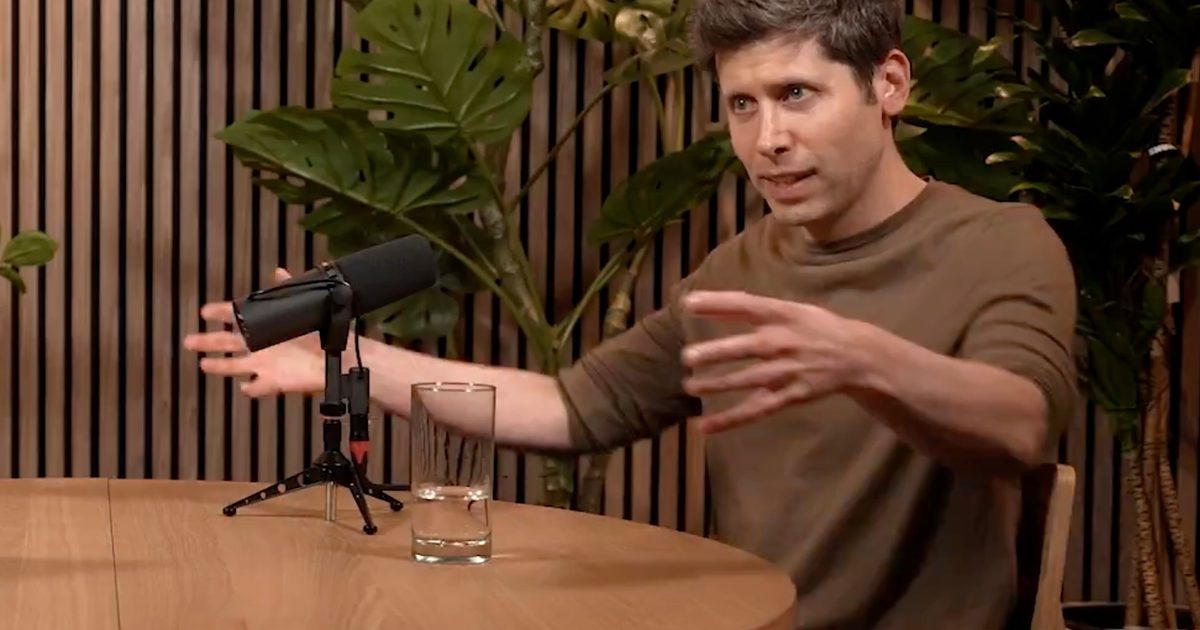
Sam Altman has described AI moving toward a metered service, with intelligence sold more like electricity or water and priced through usage. His framing is a business model, but it sharpens the cultural worry around AI as a replacement for mental effort.

If intelligence becomes something people buy on demand, reasoning can start to feel like a service call rather than a skill to practice. The danger grows when a polished answer gets treated as verified knowledge, especially when users can’t see what the system skipped, flattened, or failed to check.
What should people watch next
The better habit is to make AI work against your own certainty. Ask it to challenge an idea, expose missing evidence, and test a conclusion before you accept the response as finished.
That turns the Royal Observatory’s warning into a practical rule. Use AI to widen the search, not end it. Check what it leaves out, trace claims back to sources, and keep the final act of judgment in human hands.
Read the full article here