





China’s EV safety rules are about to make automakers prove their cars can fail safely, not merely warn people before trouble spreads.
Starting July 1, 2026, two mandatory national standards will require stronger battery safeguards and a physical one-touch way to cut high-voltage power during an emergency. The pressure points are the ones drivers, firefighters, insurers, and regulators can’t brush aside for much longer, including battery fires, crash damage, smoke exposure, and rescue access after a severe incident.
America should be watching much more closely. China’s using hard tests to turn EV risk into a pass-or-fail problem, and that’s exactly the kind of clarity the US market still needs.
How far do China’s tests go
The battery requirement carries the sharpest message. China is moving from an alarm-first model toward a prevention-first test, requiring covered batteries to avoid fire or explosion while still sending a warning signal. It also adds a smoke requirement aimed at protecting occupants, which brings cabin exposure into the safety calculation.
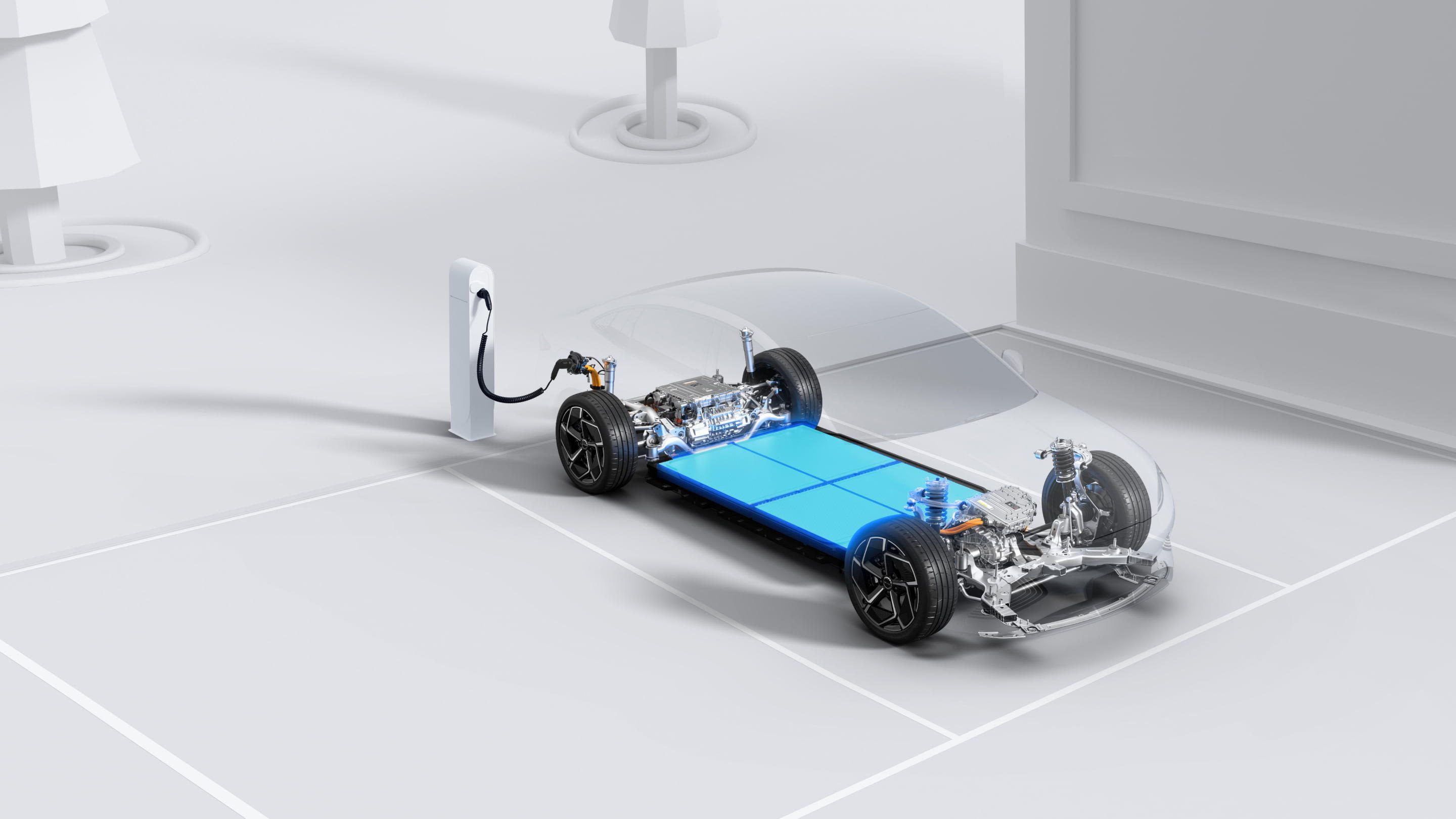
The mandate also pushes beyond lab-friendly promises. Battery packs face a new bottom-impact test for underbody strikes, plus a durability check after 300 fast-charge cycles, followed by an external short-circuit test. Automakers don’t get to claim safety while ignoring charging wear or ugly impacts that happen on real roads.
Why should America pay attention now
China’s approach links the battery, the vehicle, and emergency response instead of treating each as a separate lane. Its EV fleet already reached 43.97 million new energy vehicles by the end of 2025, while May 2026 production and sales data showed the market rebounding. Scale has forced the safety conversation into the open.
The US doesn’t need to copy China line by line. It does need a tougher national conversation around the full chain of EV failure, from how a pack reacts after fast charging to whether first responders can physically isolate dangerous voltage without trusting software.
What should regulators do next
China’s tougher tests will likely raise costs for some battery packs and new models after July 2026. That’s the tradeoff the US should confront now, while EV sales are still building and safety expectations haven’t hardened around weaker requirements.
The next step should be specific. US regulators should turn battery fire prevention, impact protection, charging durability, smoke safety, and physical emergency shutoff access into a clearer national baseline for EV safety rules. China has already shown how much pressure a serious standard can apply. America shouldn’t wait for a crisis cycle to catch up.
Read the full article here