

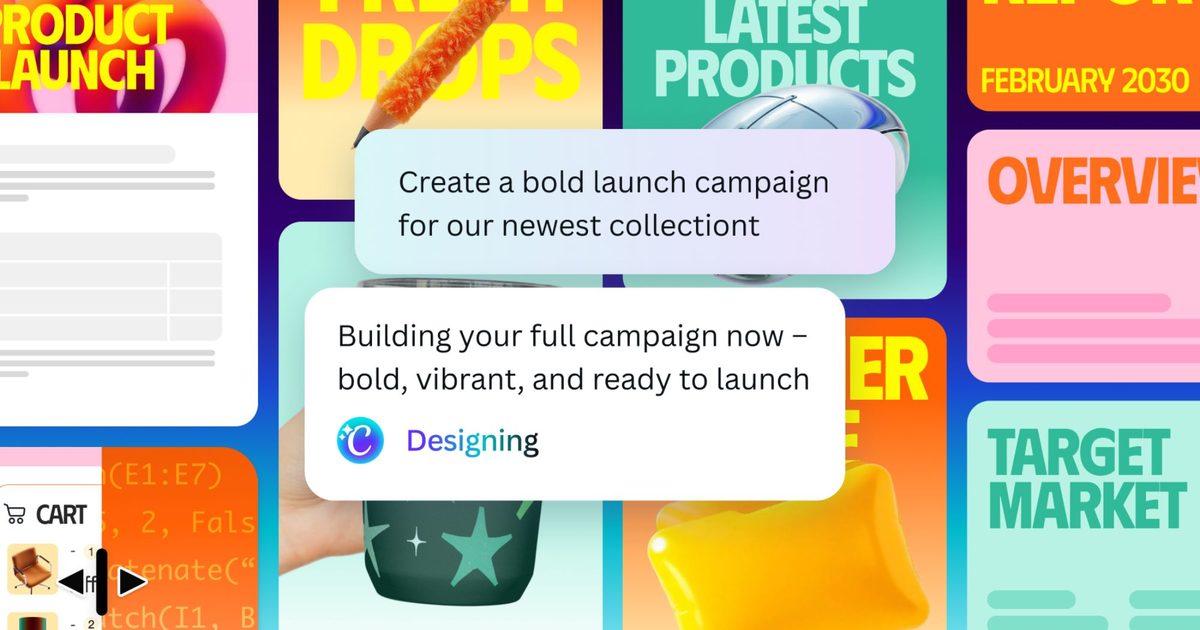

Canva today unveiled its AI 2.0 update, introducing a more conversational, AI-powered approach to designing and completing projects. The upgrade aims to take users from a rough idea to a polished result more seamlessly, without the need to switch tools.
Create designs by simply describing ideas
Instead of beginning with templates or blank pages, users can now describe what they want, and the platform generates a fully structured, editable design. This shifts the process from manual building to guided creation, reducing the need to piece things together from scratch.
Behind the scenes, Canva’s AI uses what the company calls “agentic orchestration” to understand the user’s intent and coordinate different tools automatically. Rather than switching between features, users can stay in a single flow, asking the AI to generate things like a multi-channel campaign plan or refine an existing design with simple prompts.
Designs stay editable and adapt to preferences
The update also focuses on flexibility, allowing users to make targeted edits with natural-language commands. For example, users can ask the AI to swap an image, adjust a headline, or refine a font, and only those elements will change without affecting the rest of the design. This will make it easier to fine-tune outputs without starting over.
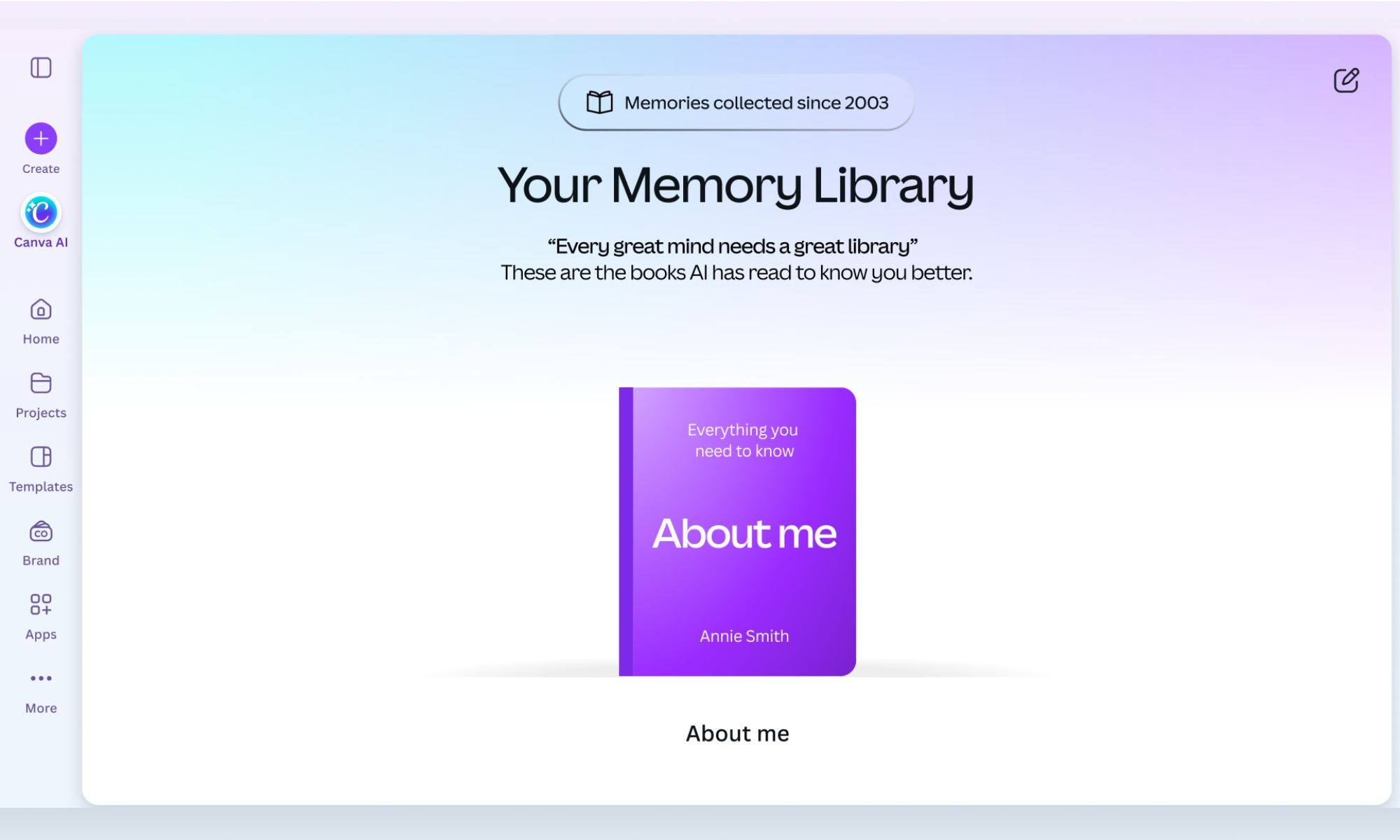
A new “Living Memory” feature learns user preferences over time, helping keep their work consistent across projects. It can apply their unique style, branding, and past choices automatically, reducing repetitive adjustments. Together, these changes position the platform less as a design tool and more as a creative collaborator that evolves with the user.
Canva AI 2.0 is available as a research preview to the first million people who discovered it on the Canva homepage starting today. The company plans to expand access to more users in the coming weeks.
Read the full article here