


BYD is putting its money where its mouth is.
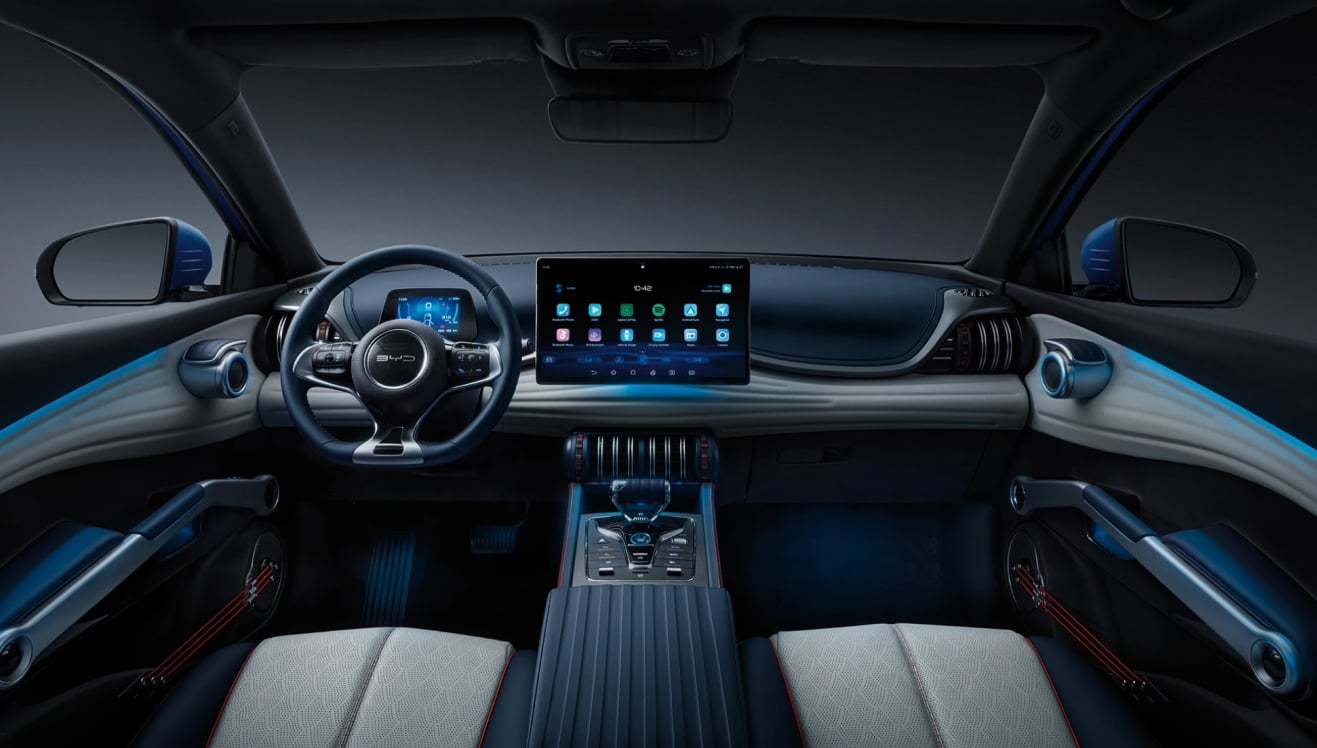
The Chinese EV maker says it will compensate users for direct losses from accidents that happen while they are using its God’s Eye urban navigation-assisted driving system, as long as the system is being used in compliance with BYD’s rules.
What BYD says it will cover
According to China Daily, BYD said the coverage applies to users of God’s Eye A, God’s Eye B, and God’s Eye 5.0 assisted-driving systems for one year if an accident occurs while the urban navigation function is active and being used properly.
The program covers direct economic losses that BYD says should be borne by the vehicle, including repair costs, third-party property damage, and personal injury liabilities. BYD said the coverage is free, has no cap on compensation, and will not affect users’ future insurance premiums.
That makes the offer unusually direct for an assisted-driving system. It is not the same as saying BYD is taking legal responsibility for every crash involving God’s Eye. The key limitation is the phrase “in compliance with system rules,” which means the practical value of the coverage will depend on how BYD defines proper use during a claim review.
BYD pointed to its smart-parking guarantee as a model. China Daily reported that use of BYD’s smart parking function rose from 21% to 93% after the company introduced a similar safety guarantee last year, while accident rates stayed close to zero.
The announcement also follows BYD’s broader push to make advanced driving features more affordable. SCMP reported that BYD founder and chairman Wang Chuanfu said the God’s Eye system would be priced at 12,000 yuan, as the company aims to bring assisted-driving technology to more mass-market consumers.
That pricing aligns with BYD’s broader strategy of bringing EV technology to lower-cost vehicles. BYD’s five-minute EV charging is one example of that push, though the technology still depends on compatible vehicles and access to BYD’s charging network.
The fine print
For drivers, insurers, and companies managing BYD vehicles, the coverage promise is useful but not simple. It may reduce some financial exposure, but it also creates new questions about proof, logs, driver behavior, and who decides whether the system was used correctly.
Those questions matter because assisted-driving systems sit between ordinary driver control and fully autonomous operation. A driver may rely heavily on the software, but responsibility can still depend on what the driver did, what the system recorded, and whether the vehicle stayed within its intended operating conditions.
BYD is also increasing the technical stakes. China Daily reported that the company unveiled Xuanji A3, described as China’s first self-developed 4-nanometer autonomous-driving chip, with a three-chip setup delivering more than 2,100 TOPS of computing power.
The race is not limited to BYD. Tesla has said its Cybercab will sell for $30,000 or less by 2027, while Nuro has begun testing self-driving technology in Tokyo as autonomous-driving companies try to prove their systems outside controlled demos.
BYD’s offer gives buyers a reason to try God’s Eye, but it does not remove the need for careful documentation. BYD is trying to turn confidence in assisted driving into a financial promise. The next test is whether that promise holds up as accidents, claims, and disputed system logs move through the process.
Also read: Xpeng’s flying car delivery target shows how Chinese mobility companies are moving ambitious vehicle concepts toward production while regulatory approvals still shape the timeline.
Read the full article here