





Apple’s decision to design its own chips reshaped the consumer electronics industry. Amazon may be about to make the same call, just about two decades later.
Supply chain analyst Ming-Chi Kuo reports that Amazon is preparing to shift away from externally sourced processors for its consumer electronics lineup, marking what he describes as the company’s first major processor procurement change in 20 years. The transition is expected to begin in 2027.
So what exactly is Amazon planning?
According to Kuo’s industry checks, Amazon plans to adopt a COT (customer-owned tooling) model for its self-developed chips, the same approach it already uses for its Trainium AI chips (via @mingchikuo).
Under this model, Amazon would design chips in-house rather than buying processors from third-party suppliers. The affected products span a wide range: Kindle, Fire TV, Echo, Alexa-enabled devices, Blink cameras, and Ring doorbells are all included in the shift.
Kuo says Amazon has selected Alchip as the exclusive partner for back-end chip design and testing. Once the transition is complete, annual shipments of Amazon’s in-house processors are estimated at around 40 million units.
Why is Amazon making this move now?
The timing is financially driven. Kuo notes that Amazon’s free cash flow for the 12 months ended Q1 2026 fell 95% year-over-year to roughly $1.2 billion, squeezed by its aggressive AI investment cycle. Kuo’s report also found corroboration the same day it was published.
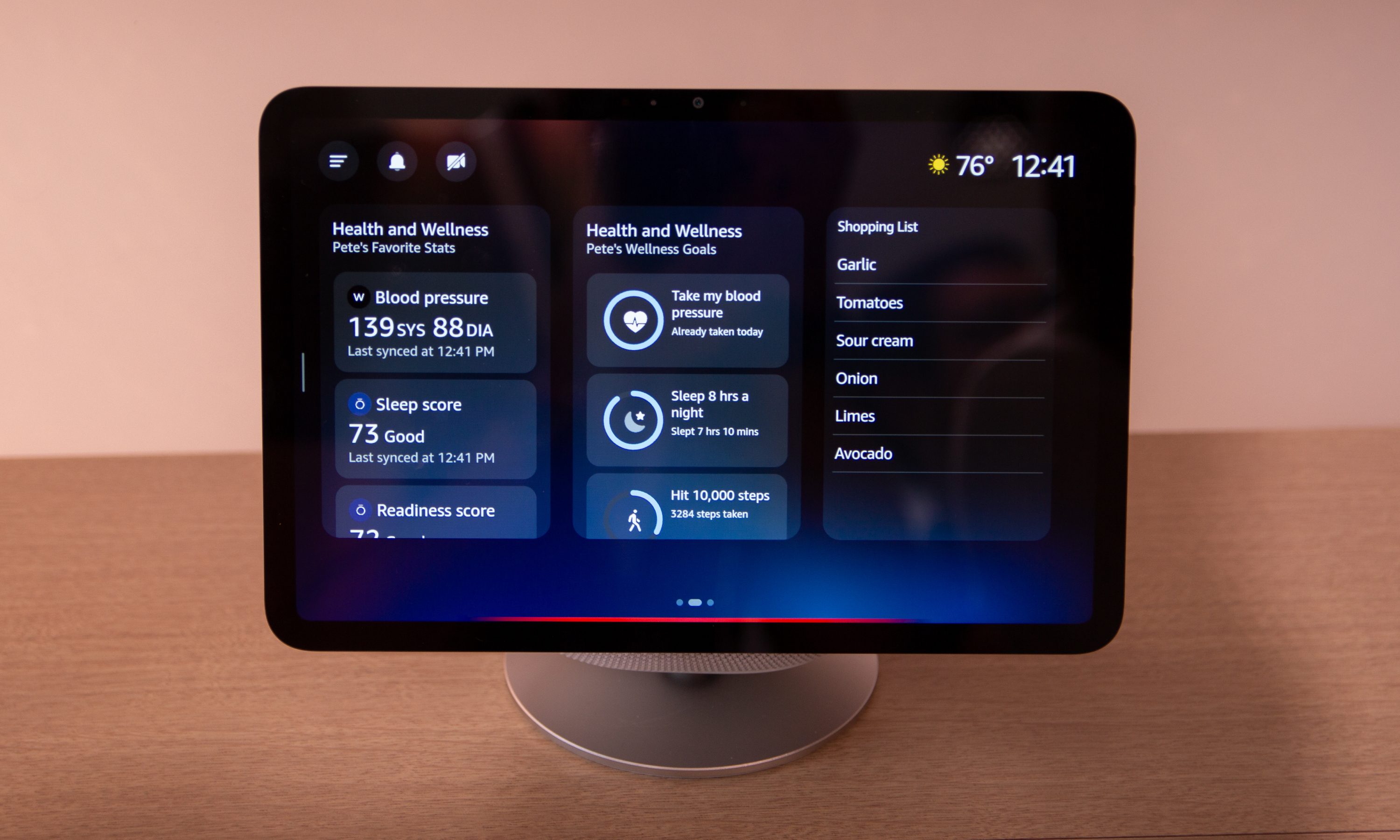
In an interview with CNBC, Amazon’s hardware chief, Panos Panay, confirmed that the company already designs end-to-end silicon for devices such as the Echo Show 8, Echo Show 11, and Fire TV.
Panay didn’t address the specific products, partners, or timeline in Kuo’s report, though. The company unveiled its AZ3 (powers the Echo Dot Max) and AZ3 Pro chips (found in Echo Studio and Echo Show devices) in October 2025, designed to run AI models locally rather than routing everything to the cloud.
Amazon still uses third-party chips from companies like Qualcomm where it makes sense, but Panay was clear that critical devices are heading toward proprietary silicon. He also teased “a whole roadmap of on-the-go devices,” hinting the chip strategy extends well beyond the smart home.
Read the full article here