


A wave of new apps marketed on TikTok and YouTube is making it nearly impossible for teachers to tell whether students are actually writing their own homework or offloading it to AI. The New York Times reports that tools known as humanizers and autotypers have closed the gap that used to give AI-written homework away, and that the same companies selling detection software are sometimes the ones helping students get around it.
The tools work around the checks teachers rely on
Humanizers take AI-generated text and rework it so it no longer sounds robotic or repetitive enough to trigger detection, while autotypers solve a timing problem. Instead of a thousand words appearing in a document all at once, which can tip off a teacher checking version history, autotypers release the text gradually over hours and even insert fake typos, deletions, and edits to mimic a real writing session.
Apps like Dripwriter and Duey.ai advertise this directly, telling students they can step away entirely and still turn in something that looks self-written. One app, called Typeflo, promised students could relax and eat a sandwich while it produced their essay. It turned out to be built and marketed by the teenage son of an Emory University professor, who said he hadn’t known the extent of its social media presence and pulled it down after being contacted.
Even the detectors built to catch AI can’t be trusted
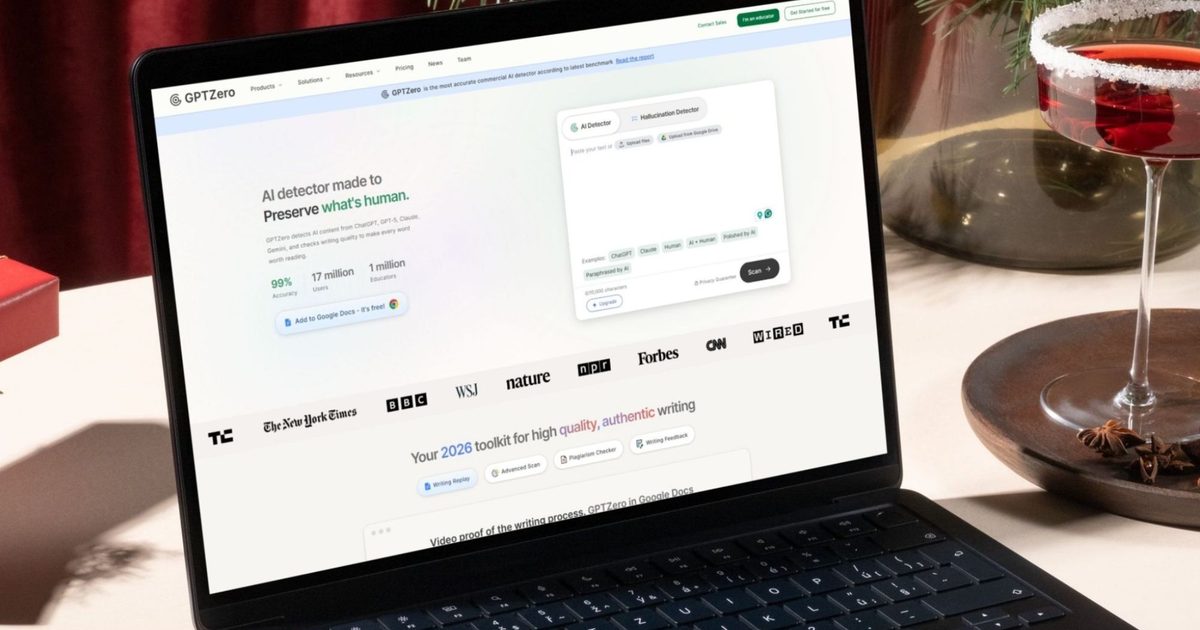
GPTZero‘s entire pitch rests on detecting AI writing that other tools miss, but the Times found that a marketer paid by the company had built a fake graduate teaching assistant persona on TikTok to promote it to students. The videos walked students through GPTZero’s browser extension, showing them how to screen a paper for AI flags before submitting it and revealing that the same tool could generate a full paper with citations from scratch.
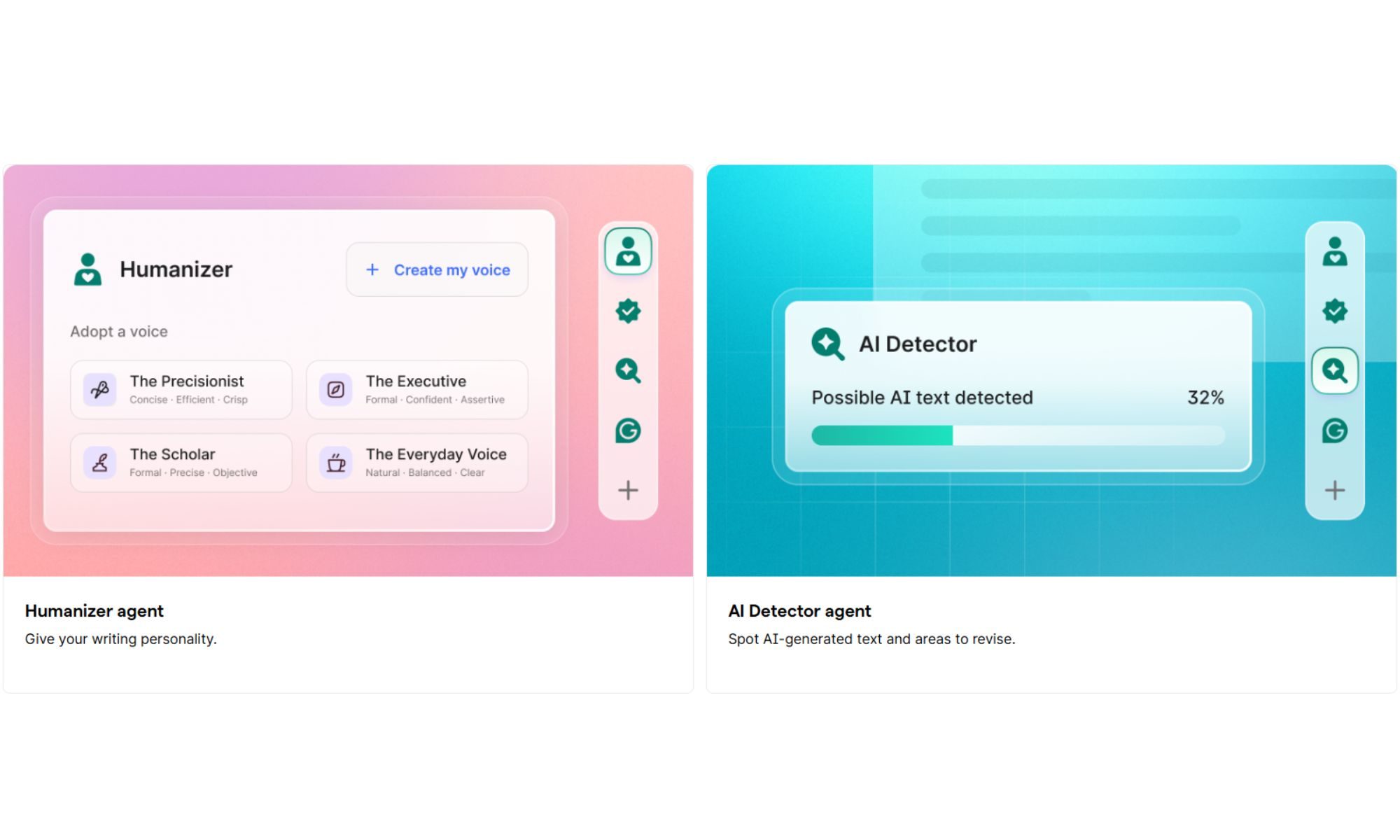
Responding to the report, GPTZero’s co-founder and chief executive, Edward Tian, said the company has cut ties with the marketer and is reconsidering whether to keep that paper-generating capability. Grammarly faces a similar contradiction, offering an authorship checker for teachers while also providing a humanizer, text generation, and paraphrasing tools on the same platform. That unreliability isn’t limited to these two companies either.
A report from earlier this year revealed how University of Florida researchers tested the five most popular AI text detectors and found false negative rates as high as 99.6 percent, with a single vocabulary tweak defeating most of them entirely. The findings suggest that schools leaning on these tools for disciplinary decisions are working with far less certainty than they assume.
Outlawing AI in classrooms might sound like the obvious fix, but with detection this unreliable, schools may have no way to enforce it even if they tried. Some educators argue that’s beside the point anyway, since students will need these same tools the moment they enter the workforce.
Read the full article here