


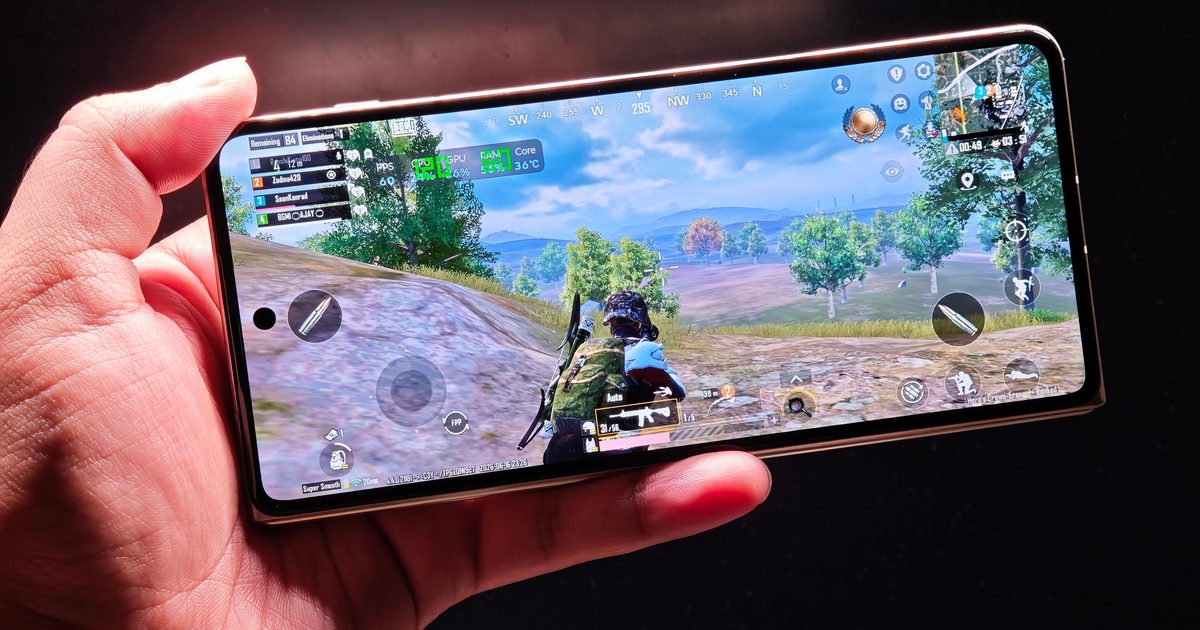

If your app store feels packed with new games lately, AI is the reason behind it. Research company ATTN Economy found that 181,000 mobile games launched in the six months to May 2026, up 118% on iOS and 73% on Android compared to the same period last year.
Much of that surge comes down to vibe-coding, a growing trend where people with little to no programming knowledge can use AI tools to build and ship games without actually coding. The barrier to entry has never been lower, but the rewards are still going to the same people they always have.
Why isn’t the AI gaming boom helping indie developers?
Even with AI reducing development time, the productivity gains are more modest than you might expect. One former executive at French mobile gaming studio Voodoo told the Financial Times that AI shaved game development time from around 14 days to 10 days, which is useful but hardly the industry transformation many predicted.
Meanwhile, the top 1% of game publishers controlled $75.6 billion in revenue in 2025, while the remaining 99% shared just $6.1 billion between them. That top tier also accounted for nearly 80% of all worldwide downloads. Vibe-coding may have made game development easier for newcomers, but big gaming companies still have too much money, talent, and decades of player data which makes them nearly impossible to displace.
Gaming professionals and fans are losing trust in generative AI
More games and faster production have come at a cost. One in four gaming employees has been laid off in the past two years, according to a GDC Festival of Gaming report. Sentiment inside the industry has shifted sharply too, with 52% of gaming professionals now viewing generative AI as harmful, up from just 18% in 2024.
The gaming boom is real, but so is the tension underneath it. AI may be making more games, but it still cannot recreate the human instinct that makes a game feel special. For you, that may mean more choices, but not always better quality.
Read the full article here