



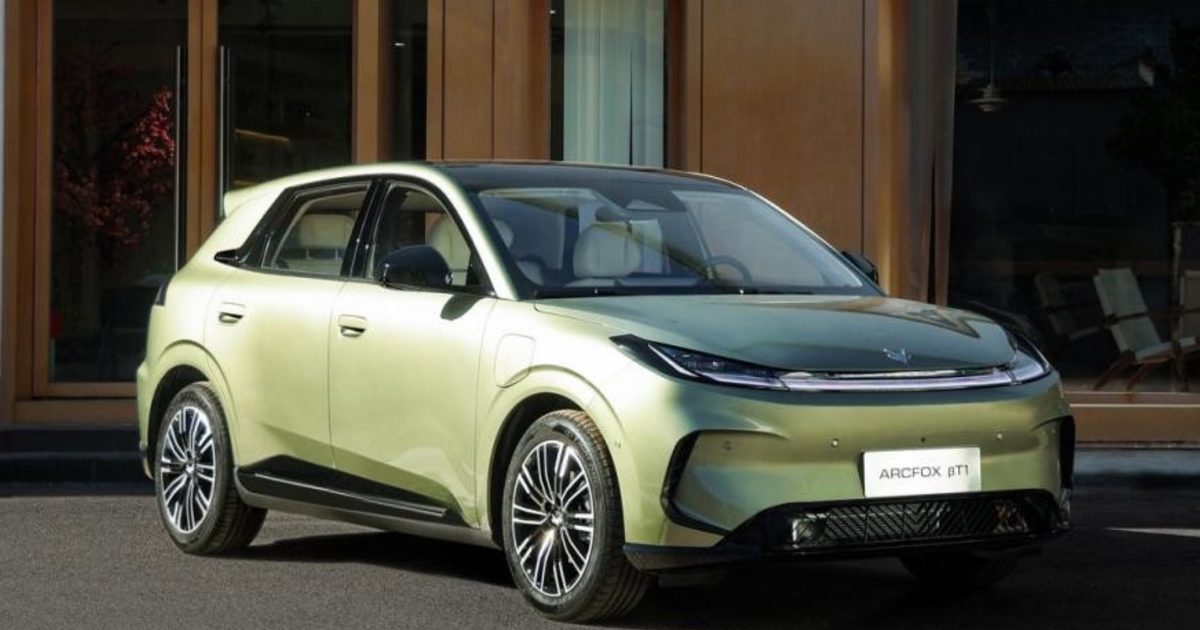

BAIC, the Beijing-based automaker that produces Mercedes-Benz vehicles in China, has launched the refreshed Arcfox Beta T1 on June 16, a compact EV priced roughly between $9,200 and $11,700, depending on the trim.
It’s not coming to the United States, but the fact that its most affordable version undercuts the cheapest new car sold here by roughly $13,000 and the cheapest EV by almost $20,000 deserves some attention. What BAIC has built here is a direct indictment of the higher EV costs here in America.
What do you actually get for $9,200?
Quite a lot, actually. The Beta T1 has a compact hatchback shape with crossover-inspired proportions, not unlike the Chevrolet Bolt EUV. It rides on a 2,770mm wheelbase and measures 4,375mm in length, offering plenty of space for four people.
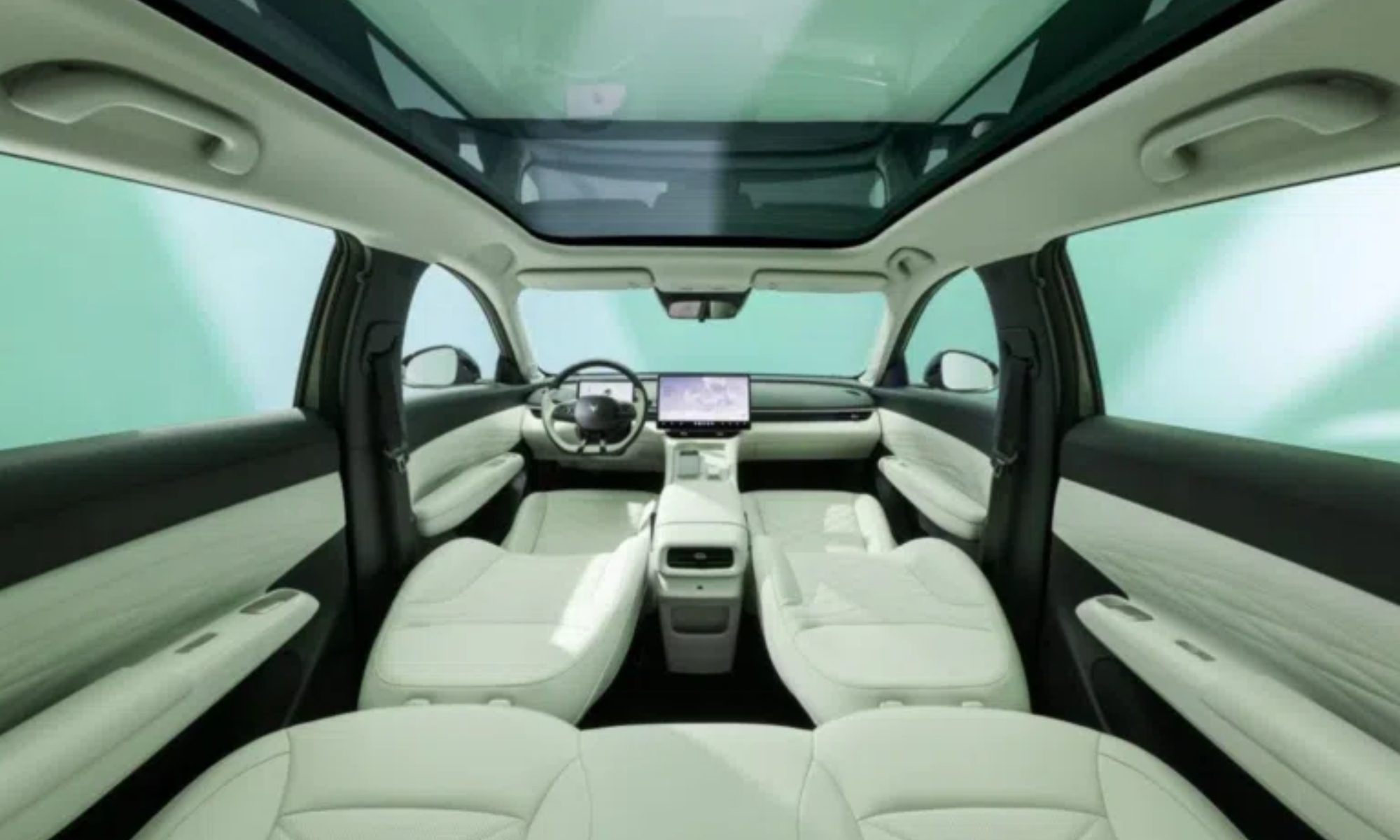
Inside, the T1 comes loaded with a 15.6-inch central touchscreen, an 8.8-inch digital instrument cluster, a panoramic glass roof, seat heating, a 360-degree surround camera, a built-in dashcam, and Sentry Mode. The top trim also gets a 50W wireless charging pad.
Given that it’s available for customers in China, the infotainment system supports a variety of smartphone mirroring systems, including Apple CarPlay, Huawei HiCar, and Android Carlink (not Android Auto).
What about the powertrain?
The headline specifications are the Beta T1’s powertrain, which includes a 96kW front-mounted motor paired with either a 36.4kWh or 42.3kWh lithium iron phosphate battery. The former offers a CLTC range of around 217 miles, while the latter goes up to 279 miles.
Arcfox has also previewed a variant that offers up to 342 miles of CLTC range, expected within two months. Fast charging takes the battery from 30% to 80% in under 22 minutes. To give you some perspective, the Beta T1 costs about a third of the cheapest EV currently available to American buyers, the $29,990 2026 Nissan Leaf.
The Arcfox Beta T1 is exactly what happens when two dozen competitors fight in the same price bracket, and it exists in a completely different economic reality, one that is increasingly relevant to every conversation about why EV adoption in the US is moving more slowly than it should.
Read the full article here