


Gaming monitors have slowly become one of the most aggressively competitive categories in PC hardware. Over the past few years, brands have raced to push refresh rates higher, improve OLED technology, reduce response times, and deliver increasingly brighter displays. But despite all those upgrades, buyers still usually have to pick one side of the experience. You either buy a super-fast esports monitor with lower resolution or a high-resolution OLED display focused more on cinematic gaming.
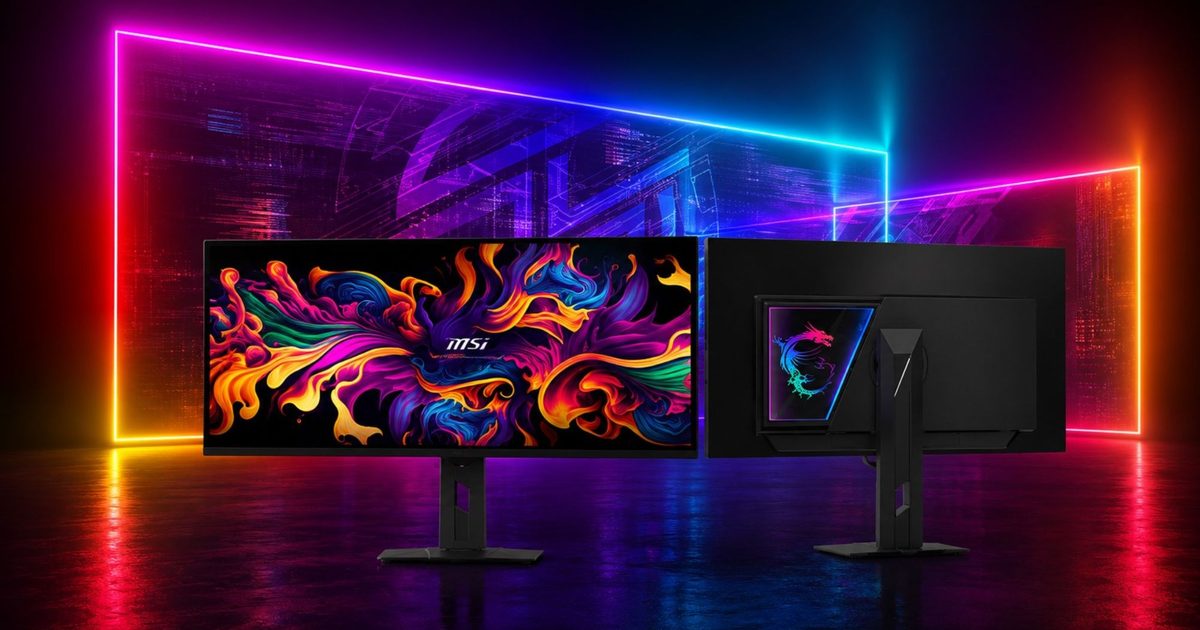
At Computex 2026, MSI appears to be trying to eliminate that compromise. The company has officially unveiled the MSI MPG OLED 322URDX36, which it describes as the world’s first triple-mode QD-OLED gaming monitor.
Instead of locking users into a single refresh rate and resolution combination, the monitor is designed to dynamically switch between different display modes depending on the type of game being played. It is a concept that reflects how modern gamers increasingly move between visually demanding AAA titles, competitive esports games, and productivity workloads on the same setup.
One monitor designed for different types of gaming
The biggest highlight of the new 31.5-inch monitor is its ability to switch between multiple resolution and refresh rate combinations depending on the user’s needs. Instead of forcing buyers to commit to one setup permanently, MSI allows the display to adapt dynamically.
The monitor can operate in three different modes. Users can run it at 4K resolution with a 240Hz refresh rate for visually intensive AAA games, switch to 1440p at 360Hz for a balance between image quality and speed, or move to Full HD at an extremely fast 500Hz refresh rate for competitive esports gaming.
This effectively turns the display into three different monitors in one package. Traditionally, gamers wanting both high visual quality and ultra-fast competitive performance often needed separate displays to achieve that balance.
The MPG OLED 322URDX36 uses Samsung Display’s latest QD-OLED technology, combining OLED-level contrast and near-instant response times with stronger brightness and colour performance. MSI says the panel supports VESA DisplayHDR True Black 500 certification and delivers a 0.03ms response time aimed at reducing motion blur during fast-paced gameplay.
The company is also leaning into AI-driven gaming tools. The monitor includes AI-assisted scene enhancement and adaptive crosshair systems designed to dynamically improve visibility depending on the game environment.
On the connectivity side, MSI has equipped the display with DisplayPort 2.1a, HDMI 2.1, and USB-C with power delivery support, making it suitable for gaming PCs, consoles, and productivity-focused setups.
Why this matters
The gaming monitor market has become increasingly fragmented in recent years. Some buyers prioritize ultra-high refresh rates for esports titles, while others care more about resolution and cinematic image quality for single-player games.
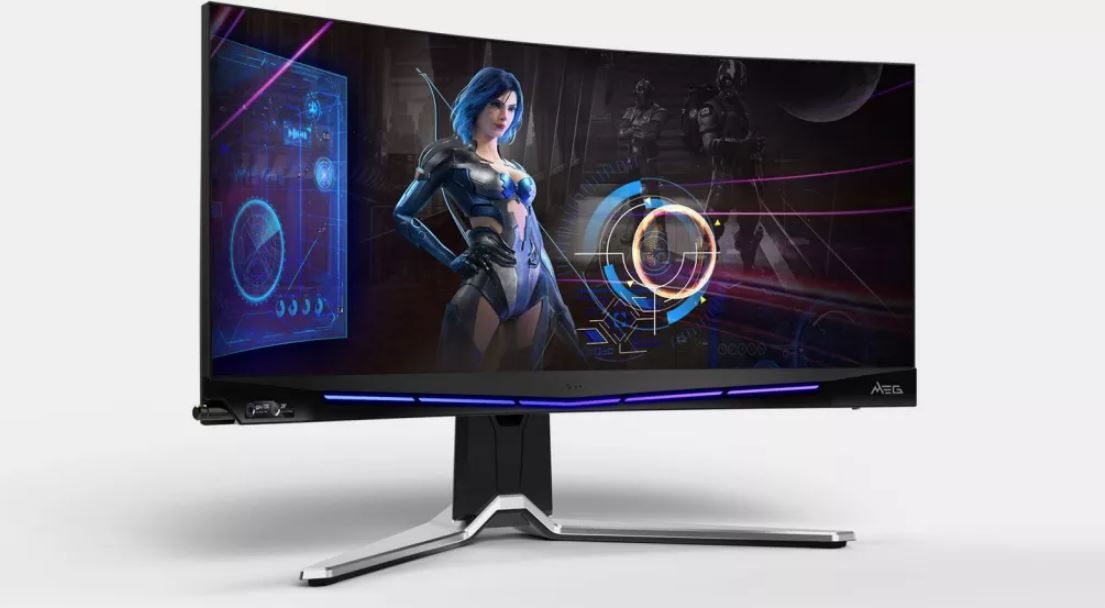
MSI’s triple-mode concept attempts to eliminate that trade-off. For users with powerful GPUs from NVIDIA or AMD, dynamically switching between different gaming modes could become genuinely useful rather than simply acting as a marketing gimmick.
The announcement also reflects how aggressively monitoring manufacturers are now experimenting with adaptive technologies instead of relying purely on incremental specification upgrades.
What happens next
MSI has not yet revealed pricing or availability for the MPG OLED 322URDX36. However, given the combination of QD-OLED technology, 500Hz support, and advanced connectivity features, the monitor is unlikely to target mainstream budgets.
Still, the larger industry trend is becoming increasingly clear. Gaming monitors are evolving into flexible performance devices capable of adapting to different gaming scenarios rather than serving a single fixed purpose.
Read the full article here