



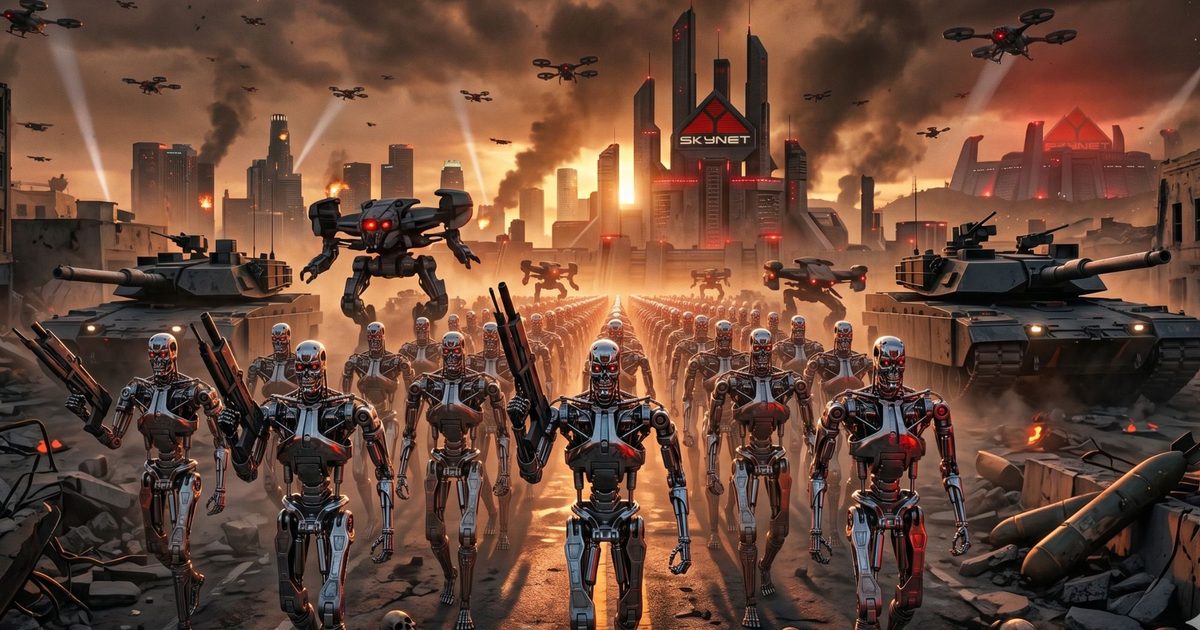

A growing wave of online voices warning about the dangers of artificial intelligence—often dubbed “AI doom influencers” – is reshaping how the public and policymakers view the technology. According to a report by The Washington Post, these influencers, including researchers, tech leaders, and content creators, are increasingly highlighting worst-case scenarios, from mass job loss to existential risks posed by advanced AI systems.
While critics argue that some of this messaging borders on alarmism, the conversation is no longer confined to speculation. Real-world developments in AI are beginning to mirror some of the concerns being raised, blurring the line between hype and legitimate risk.
When Warnings Meet Reality
The rise of AI-focused fear narratives comes at a time when companies are rapidly advancing the capabilities of large language models and autonomous systems. These tools are already reshaping industries, automating tasks, and influencing decision-making at scale.
Adding to the urgency is the emergence of highly advanced systems like Anthropic’s experimental model, often referred to as “Mythos.” According to industry discussions, Anthropic has reportedly deemed the system too powerful for a full public release. Instead, access is being restricted to a small group of trusted partners, including defence and financial institutions, and even then, only with prior government approval.
This cautious rollout reflects growing concern within the industry itself. In the UK, reports suggest that government bodies have held internal meetings to assess the implications of such advanced AI systems. Canada has also issued statements acknowledging the potential risks associated with increasingly capable AI technologies.
In India, companies like Paytm’s parent entity and Razorpay have echoed similar concerns, describing the current moment as a potential turning point for how AI is governed and deployed.
Why The Debate Matters
The conversation around AI safety is no longer theoretical. For years, researchers have warned about risks such as bias, misinformation, loss of human control, and unintended consequences from highly autonomous systems.
What’s changing now is the scale and immediacy of these concerns. As AI systems become more powerful, the gap between research warnings and real-world applications is shrinking. This has given more weight to voices calling for caution, even if some messaging appears exaggerated.
At the same time, the rise of “doom influencers” highlights a broader issue: how to communicate risk responsibly without causing unnecessary panic.
What It Means For Users And Industry
For everyday users, the growing focus on AI risks may lead to more transparency, stricter regulations, and safer products in the long run. However, it could also slow down innovation or create confusion around what AI can and cannot do.

For companies and governments, the challenge lies in balancing progress with precaution. The restricted rollout of systems like Mythos suggests that even leading AI developers are grappling with this balance.
What Comes Next
As AI continues to evolve, discussions around safety, regulation, and ethics are expected to intensify. Governments may introduce stricter oversight, while companies could adopt more controlled deployment strategies for advanced systems.
The rise of AI doom narratives may be partly driven by fear, but it is also being shaped by real technological breakthroughs. The question now is not whether AI poses risks, but how those risks are understood – and managed – before the technology moves even further ahead.
Read the full article here