





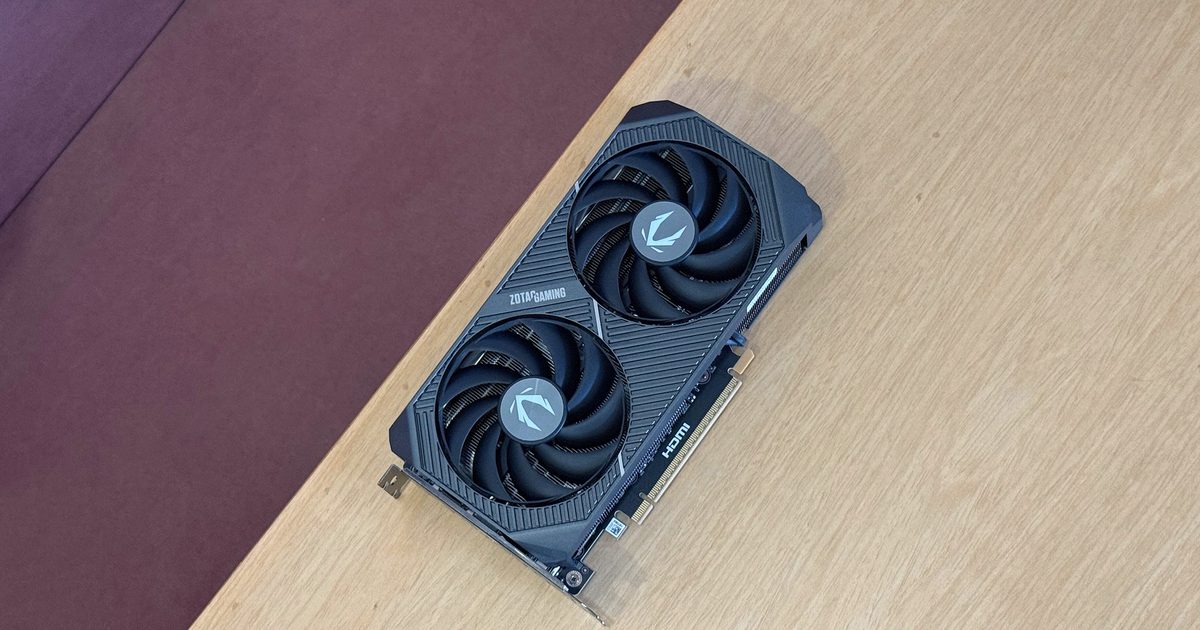

Nvidia rumors are once again pointing to a strange new memory strategy for a refreshed GeForce RTX 5060 Ti, and this one sounds equal parts clever and awkward.
According to Wccftech, citing a post from the Chinese Board Channels forums, Nvidia is reportedly preparing a new GeForce RTX 5060 Ti variant with 9GB of GDDR7 memory instead of the current 8GB baseline. The same report says the standard RTX 5060 could get a similar 9GB version as well.
How Nvidia is doing something weird with the RTX 5060 Ti
The heart of the rumor is Nvidia’s supposed shift to 3GB GDDR7 memory modules. Wccftech says Samsung and Micron are ramping production of these denser chips, which would let board partners increase VRAM capacity without needing a wider memory bus or a more dramatic board redesign. In simple terms, Nvidia could move from 8GB to 9GB by using three 3GB modules instead of four 2GB modules.
This sounds like a neat little update for the mid-tier graphics card, and more memory is easy to market. But there is a catch.
What’s the trade-off?
The problem is that this setup would likely come with a narrower 96-bit memory bus instead of the 128-bit interface used by current RTX 5060 Ti and RTX 5060 models. If Nvidia keeps memory speeds at 28 Gbps, Wccftech estimates total bandwidth would fall to 336 GB/s, compared to 448 GB/s on the existing 128-bit cards. Even a bump to 30 Gbps would still leave bandwidth well below today’s models.
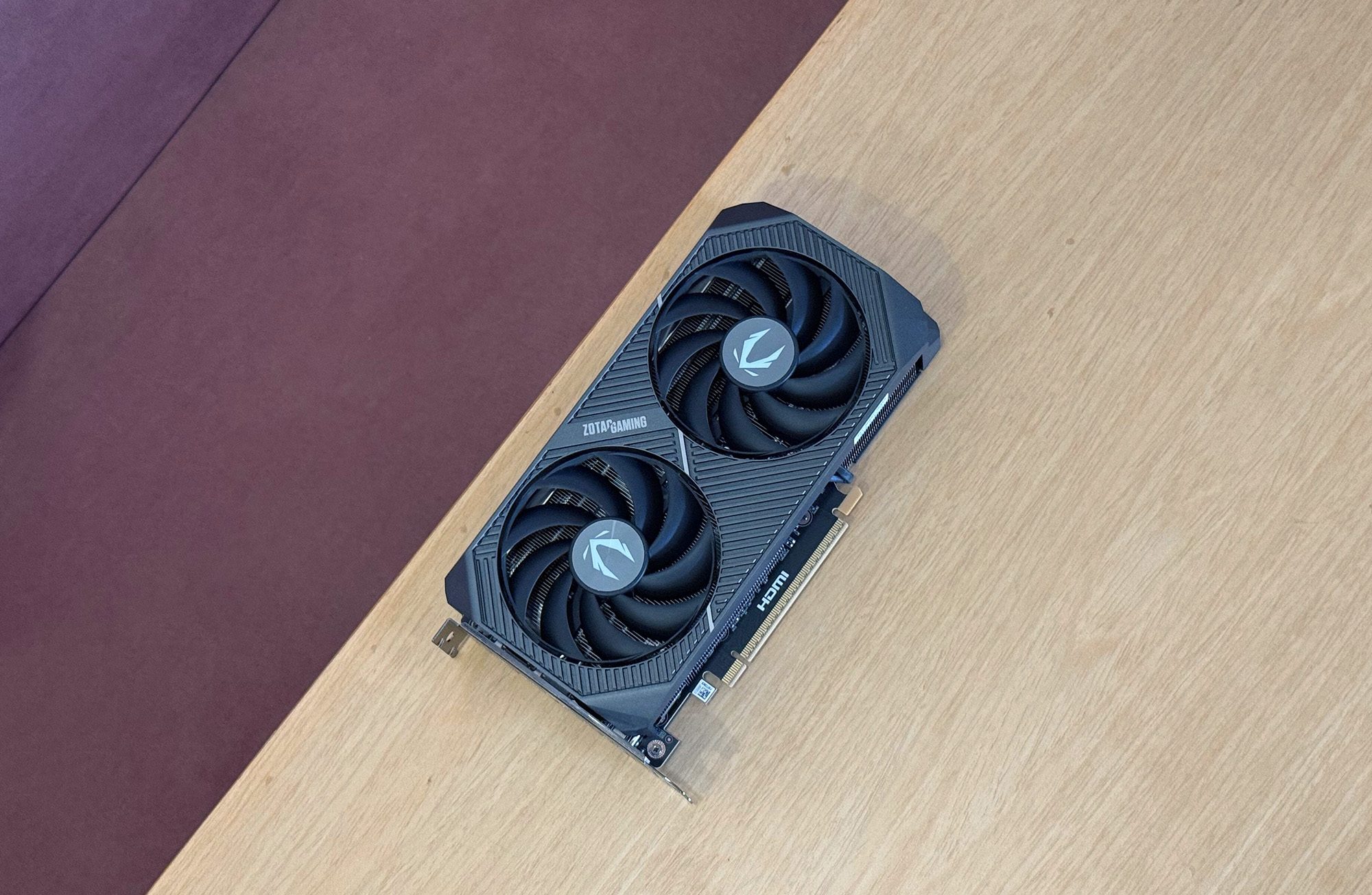
That is a pretty major compromise. So while the rumor makes it sound like Nvidia is finding a new way to squeeze extra VRAM into mainstream cards, it may also be doing so by sacrificing one of the things those cards cannot really afford to lose.
This could be Nvidia’s response to the ongoing VRAM shortages and pricing pressure with these 3GB modules giving Nvidia and its partners a cheaper path to higher capacities. The report further adds that laptop RTX 5090 configurations have already started using 3GB VRAM modules, though that remains part of the same rumor chain rather than a fresh Nvidia confirmation.
Read the full article here