


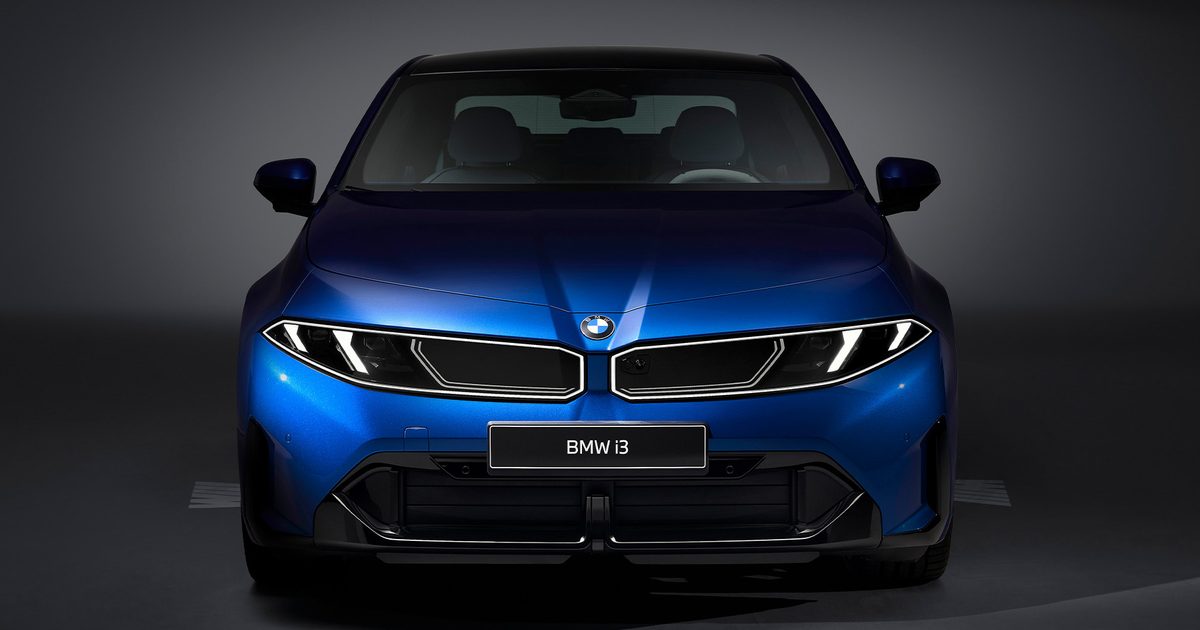

BMW has officially unveiled the new i3 50 xDrive, marking the second model in its next-generation Neue Klasse electric lineup, and a major reset for the brand’s future. According to BMW’s official press release, the new i3 is no longer a compact hatchback like its predecessor.
Instead, it’s a fully electric sedan positioned as the EV equivalent of the 3 Series, built from the ground up on BMW’s new Neue Klasse platform. The car follows the recently revealed iX3 and plays a key role in BMW’s plan to roll out a new generation of EVs with improved efficiency, range, and digital features.
What’s new with the BMW Neue Klasse i3?
The biggest shift lies in the platform and technology underneath. The new i3 is built on BMW’s 800-volt architecture, enabling significantly faster charging and improved efficiency. It also comes with charging speeds of up to 400kW, with the ability to drive up to 400 kilometers in just 10 minutes of charge.
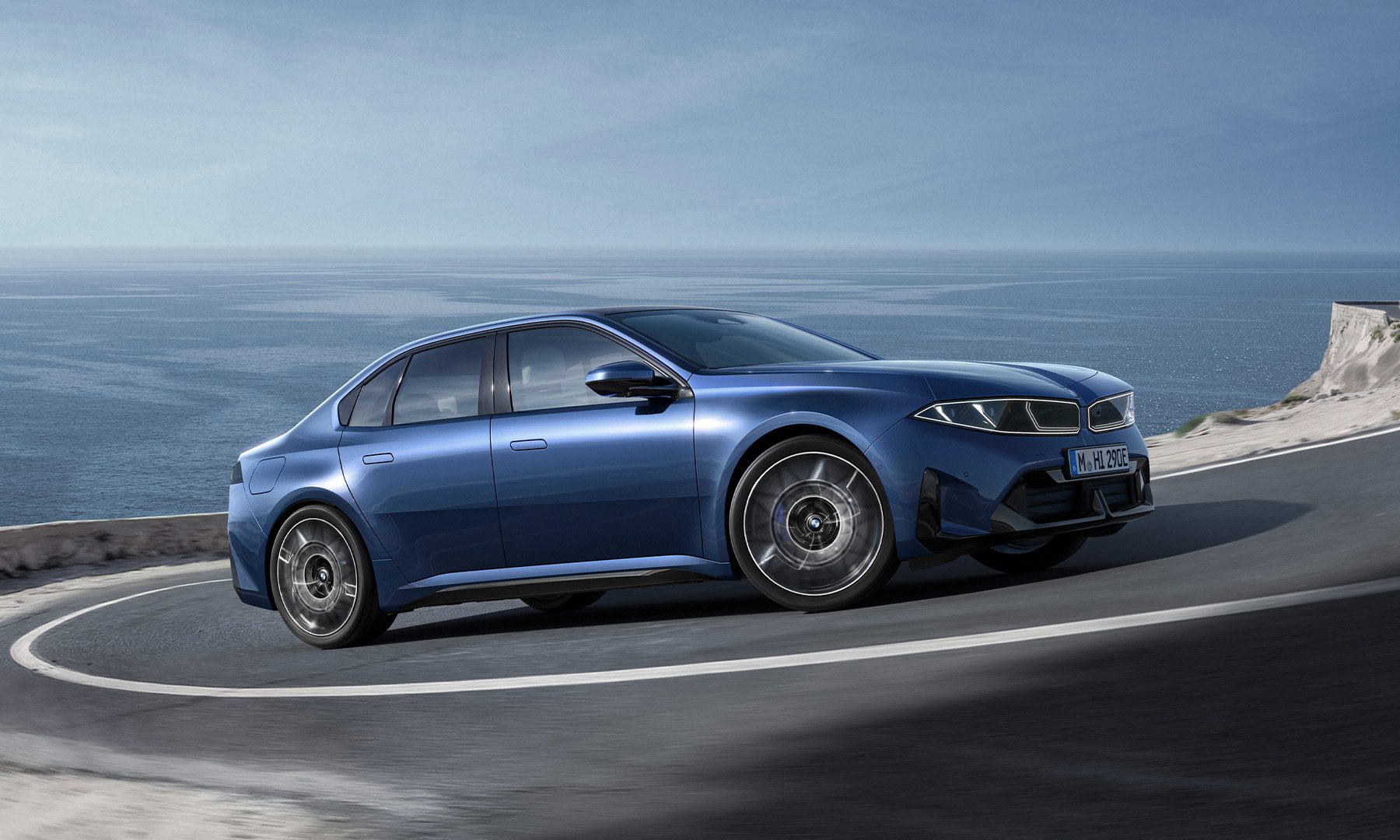
Battery tech has also been upgraded with next-gen cylindrical cells and a “cell-to-pack” design, improving energy density and potentially enabling ranges of up to 900 kilometres (WLTP) depending on the variant. On the performance side, higher-end variants like the i3 50 xDrive feature dual motors producing around 460+ horsepower, putting it in the same league as performance sedans like the M3, but fully electric.
What does the design and tech experience look like?
The i3 also introduces a completely new design language and in-car experience. On the outside, it features a modernized BMW look with a sleeker profile, shorter overhangs, and a reinterpreted kidney grille. Inside, BMW is introducing its new Panoramic iDrive system, which includes a wide display stretching across the windshield along with a central touchscreen angled toward the driver.
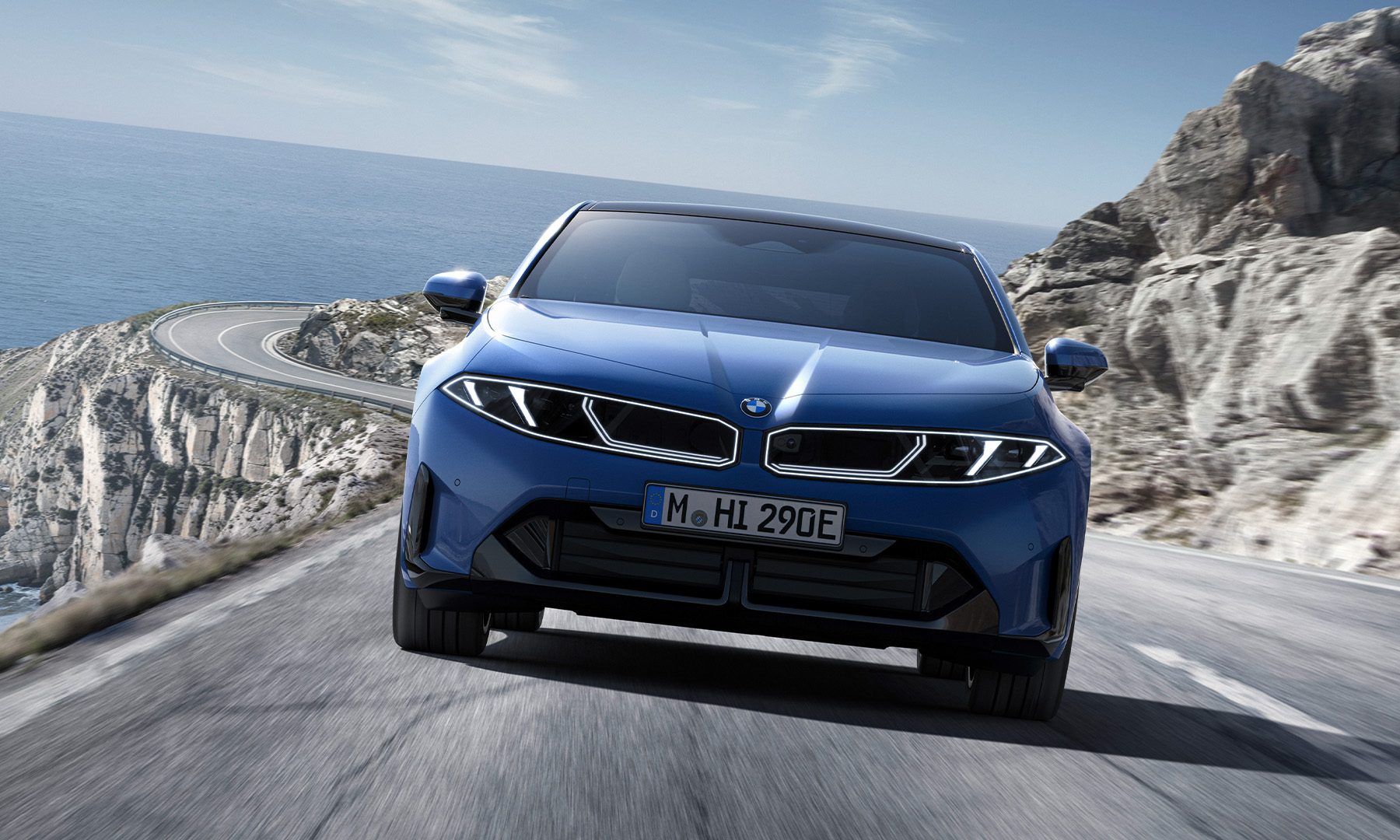
Under the hood (digitally speaking), the i3 uses a new computing architecture with multiple high-performance processors, referred to as “superbrains”, to manage driving dynamics, infotainment, and other vehicle functions more efficiently. The car also supports modern EV features like bidirectional charging (vehicle-to-home/grid) and advanced driver assistance systems.
Production of the i3 is set to begin in August 2026, with deliveries expected later in the year or early 2027, depending on the market.
Read the full article here