



Cross-border trade finance can still slow to the speed of phone calls and paperwork. Vietnam’s PILA and Singapore-listed TOTM Technologies want to test whether verifiable digital credentials can cut that friction.
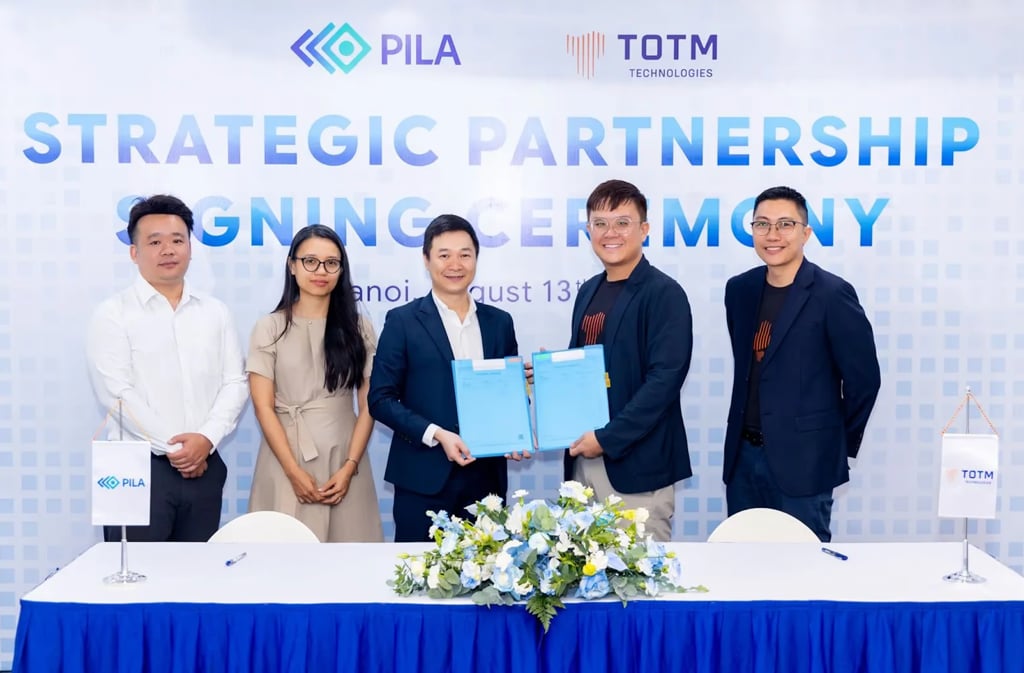
TOTM said the companies signed a non-binding, non-exclusive memorandum of understanding on Aug. 13 to develop a proof of concept for verifying letters of credit between banks in Vietnam and Singapore. The proposed system would add a digital verification layer without replacing the underlying L/C or changing the parties’ existing legal obligations.
The project is not yet a live banking corridor. TOTM’s Aug. 13 exchange filing identifies verifiable credentials for letters of credit on the Vietnam–Singapore corridor as the partnership’s initial trade-finance use case, but no participating banks, implementation timetable or performance results have been announced.
Digital credentials could cut manual checks
The companies say verifying an L/C issued by a foreign bank can involve phone calls, SWIFT checks and manual reconciliation of supporting documents, potentially stretching authentication across several days.
Under the proposed model, a Vietnamese bank would issue a verifiable credential alongside an L/C. A receiving bank in Singapore could use it to verify the issuer and confirm that the underlying information had not been altered. Singapore’s shift toward cryptographic authentication through Singpass reflects a broader push to make digital identities harder to forge or reuse.
PILA would run credential issuance and verification through NDAKey, while TOTM would integrate the Singapore side with the Infocomm Media Development Authority’s TradeTrust framework. TradeTrust’s description of the collaboration says the PoC would use its framework to support independent verification of digital credentials in L/C workflows.
TradeTrust is also moving toward live cross-platform use. IMDA launched its TradeTrust Readiness Programme in February 2026, with milestones including live electronic bill-of-lading transactions across different platforms and demonstrated interoperability.
The L/C project has not produced comparable results. Independent reporting on the planned PoC says its goals include faster verification, less manual reconciliation and lower fraud exposure, but no performance benchmarks have been published. Singapore’s experience with longstanding SIM identity requirements also shows that identity verification alone does not eliminate fraud.
ASEAN is building for digital trade
The project arrives as ASEAN develops a broader framework for regional digital commerce. Negotiations on the ASEAN Digital Economy Framework Agreement concluded in May 2026, covering digital trade, cross-border e-commerce, data governance, digital identity, electronic payments and cybersecurity cooperation. ASEAN expects the agreement to be signed in November 2026.
The corridor links two economies embedded in regional technology trade. Singapore recently raised its 2026 growth forecast as AI-related electronics exports and manufacturing strengthened, underscoring the economic importance of technology supply chains moving through the region.
PILA and TOTM also intend to explore digital product passports and cross-border payment settlement involving Vietnam, Singapore and Indonesia. Those plans remain exploratory, with no announced banking partners, regulatory approvals or launch dates.
Evidence from the PoC will determine whether the model can move beyond its current scope. Named bank participants, interoperability results and measured verification times would provide the first concrete indication that the architecture can operate at financial-institution scale.
Read more: Southeast Asia’s growing scam economy shows why digital identity and verification systems still need layered anti-fraud controls around them.
Read the full article here