



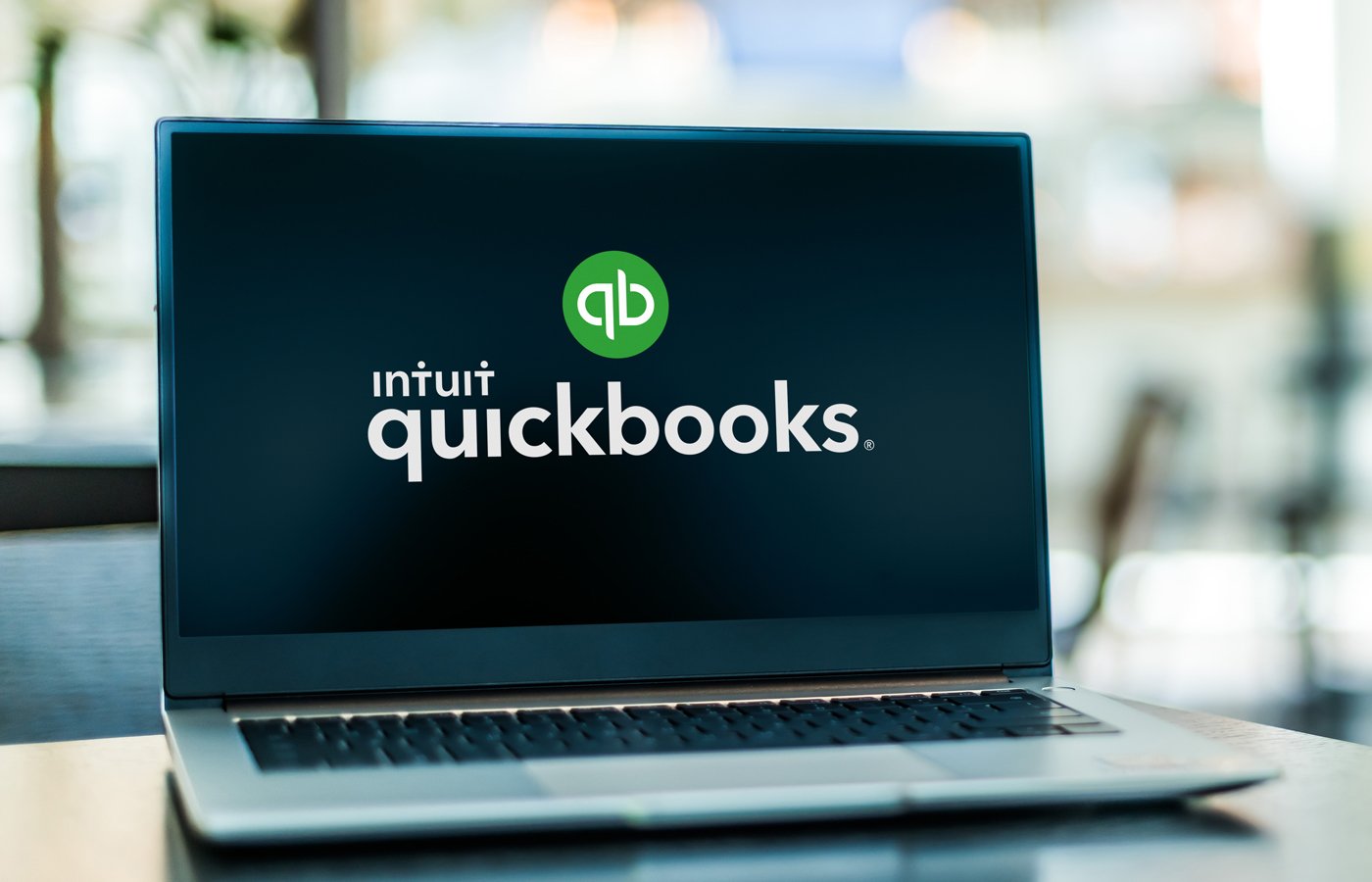

QuickBooks Solopreneur is a solid option, but it may not be the best fit for every freelancer or self-employed professional. Xero earned my top recommendation for its balance of usability, accounting features, automation, and long-term value. If you’re looking for something more specific—such as a free plan or software tailored to your workflow—the other options on this list are also worth considering.
| Provider | Best for | |
|---|---|---|
| Xero | Growing businesses that need a scalable solution for managing more complex financial workflows | |
| FreshBooks | Service-based businesses that need easy invoicing, time tracking, expense management, and client billing tools | |
| Zoho Books | Businesses that want to automate invoicing, payment reminders, recurring transactions, and routine accounting tasks | |
| ZipBooks | Businesses that need simple tools for managing customer and vendor records | |
| Wave Accounting | Freelancers and small businesses that need free accounting software |
QuickBooks Solopreneur is the new name for QuickBooks Self-Employed in the United States. Some countries, such as Australia and Canada, still use the Self-Employed name, though. There are also outdated legacy articles in the QuickBooks knowledge base that use the old title.
Methodology
I’ve worked with businesses using different accounting platforms, and one thing I’ve learned is that the software with the longest feature list isn’t always the best fit. What matters is how well it handles the bookkeeping tasks you perform every day. For this guide, I combined my experience as a professional bookkeeper with official product documentation, hands-on product evaluation, and verified user reviews to compare each platform.
The following factors had the biggest impact on my recommendations:
- Bookkeeping features: I focused on the tools I use most often, such as invoicing, estimates, expense tracking, bills, bank reconciliation, financial reporting, and customer and vendor management. A platform may offer dozens of features, but if it struggles with the basics, it won’t save you much time.
- Ease of use: Bookkeeping is repetitive by nature, so I paid close attention to how many steps it takes to complete common tasks. Software that simplifies navigation, remembers preferences, and reduces manual data entry earned higher marks.
- Pricing and value: Price alone didn’t determine the rankings. I compared what each plan includes and whether the features justify the monthly cost. Some free or lower-priced platforms deliver more practical value than expensive plans loaded with features many solopreneurs may never use.
- Automation and integrations: I looked at how well each platform automates recurring work, including bank feeds, transaction categorization, recurring invoices, and bill management. I also considered how easily it connects with payroll providers, payment processors, and other business tools that help reduce duplicate work.
- Scalability: I’ve seen businesses outgrow their accounting software sooner than expected. To account for that, I evaluated how well each platform supports increasing transaction volume, additional users, more detailed reporting, and growing operational complexity without forcing an early migration.
- User experience: Finally, I considered how the software feels to use day after day. I factored in customer feedback alongside my own evaluation of each platform’s workflow, search capabilities, customization options, and overall efficiency during routine bookkeeping tasks.
Why you can trust TechRepublic
I’m a certified QuickBooks Online ProAdvisor and Xero-certified advisor with over 15 years of experience in finance. Before specializing in bookkeeping, I spent more than a decade as a bank manager, where I gained hands-on experience in financial operations, cash flow management, and internal controls. I later helped build a startup from the ground up, managing its bookkeeping and financial processes. Today, I help small businesses keep their books organized and accurate using cloud accounting platforms.
More about Accounting
Best alternatives to QuickBooks Self-Employed/Solopreneur compared
| Provider | ||||||
|---|---|---|---|---|---|---|
| Xero | 30-day free trial only |
|||||
| FreshBooks | 30-day free trial only |
|||||
| Zoho Books | (14-day free trial |
|||||
| ZipBooks | (30-day free trial |
|||||
| Wave Accounting |
More about Accounting
Why Xero is built for growing businesses (Best choice)
I’ve seen firsthand how quickly bookkeeping needs can change. A platform that works well today may start feeling limiting as your client list grows and your financial reporting becomes more demanding. Xero has consistently been one of the most well-rounded accounting solutions I’ve worked with, offering the right mix of simplicity, automation, and advanced features. That’s why it’s my top overall QuickBooks Solopreneur alternative.
Pricing
- Early: $25 monthly; includes 20 invoices.
- Growing: $55 monthly; unlimited invoices.
- Established: $90 monthly; unlimited invoices.
Visit Xero
Features
- Automatic bank transaction import
- Bank account reconciliation
- Receipt capture via mobile app
- Estimate creation with conversion to invoices upon approval
- Customized invoicing
- Automated payment reminders
- Online payment acceptance
- Bill payment scheduling
- 1099 report generation
- Project tracking (available on select plans)
Pros and cons
|
|
For more information, read our full Xero review.
Why FreshBooks works best for service-based businesses

Service-based businesses have different bookkeeping needs from product-based businesses. In my experience, they’re more focused on tracking billable hours, managing projects, recording expenses, and getting invoices paid on time. FreshBooks brings all of those tasks together in one platform, so you don’t have to rely on multiple apps to manage your day-to-day operations. It’s a practical choice for freelancers, consultants, and other service providers who want bookkeeping software that’s easy to use without giving up the tools they use every day.
Pricing
- Lite: $23 per month; unlimited invoices to five clients max
- Plus: $43 per month; unlimited invoices to 50 clients
- Premium: $70 per month; unlimited invoices and unlimited clients
- Select: Custom pricing
Visit FreshBooks
Features
- Billable hour tracking with conversion to invoices
- Automated bank import
- Receipt capture and mileage tracking via mobile app
- Unlimited invoicing (up to 5 clients for the Lite plan and up to 50 clients for the Plus plan)
- Estimate creation and delivery
- Online payment acceptance
- Automated recurring invoices
- Payment reminders
- Accountant access for book review
Pros and cons
|
|
For more information, read our full FreshBooks review.
Why Zoho Books stands out for automation

The best thing about Zoho Books is how much routine work it can take off your plate. Instead of manually following up on invoices or organizing transactions, you can automate many of those day-to-day tasks and spend more time running your business. Additionally, Zoho Books integrates seamlessly with other Zoho applications, so you can manage your work from one ecosystem instead of juggling multiple platforms.
Pricing
- Free: $0; max 1 user plus 1 accountant.
- Standard: $20 per month; max 3 users.
- Professional: $50 per month; max 5 users.
- Premium: $70 per month; max 10 users.
- Elite: $150 per month; max 10 users.
- Ultimate: $275 per month; max 15 users.
Visit Zoho Books
Features
- Automatic bank account connection
- Bank account reconciliation
- Customized invoicing
- Payment reminders
- Receipt capture
- Mobile app access
- Automated recurring tasks
- Online client portal
- Inventory quantity, purchase order, and sales order tracking
- Seamless integration with Zoho CRM, Zoho Inventory, Zoho Expense, Zoho Projects, and dozens of other Zoho applications
Pros and cons
|
|
For more information, read our full Zoho Books review.
Why ZipBooks shines in vendor and customer management

Keeping vendor and customer records organized becomes more important as a business grows. Some accounting platforms limit the number of contacts you can add unless you upgrade, which can be frustrating for businesses with a growing client base or multiple suppliers. That’s one reason I like ZipBooks. Even on its free plan, you can manage unlimited customers and vendors, making it a practical option for solopreneurs who want to stay organized without worrying about hitting usage limits.
Pricing
- Starter: Free
- Smarter: $15 monthly
- Sophisticated: $35 monthly
- Accountant: Contact ZipBooks for pricing; accountants/bookkeepers only
Visit ZipBooks
Features
- Bank account connection (1 bank account for the free plan)
- Unlimited invoicing
- Unlimited vendor and customer management
- Digital payment acceptance (Square or PayPal)
- Basic reporting
Pros and cons
|
|
For more information, read our full ZipBooks review.
Why Wave Accounting has the best free plan

When I evaluate bookkeeping software for new solopreneurs, I first look at whether it covers the essentials. Wave Accounting does exactly that. Its free plan includes estimates, invoicing, bills, expense tracking, and financial reporting— the core tools needed to keep accurate books from day one. For many freelancers and solo business owners, that’s enough to build good bookkeeping habits without paying for features they may not need yet.
Pricing
- Starter Plan: Free
- Pro Plan: $19 per month
Visit Wave Accounting
Features
- Unlimited invoices, estimates, and bills in the free plan
- Income and expense tracking
- Financial reports, including Profit & Loss, Balance Sheet, and Cash Flow
- Online payments available
- Mobile app access
- Receipt capture (available in the Pro plan)
- Auto-import bank transactions (available in the Pro plan)
- Custom invoice branding (available in the Pro plan)
Pros and cons
|
|
For more information, read the full Wave Accounting review.
How I chose the best QuickBooks Solopreneur alternatives
As a bookkeeper, I don’t judge accounting software by the number of features it offers. I look at whether it helps business owners keep accurate records with less effort and gives them the information they need to make informed financial decisions.
For this guide, I focused on the features solopreneurs use most often, including invoicing, expense tracking, bank reconciliation, estimates, bills, financial reporting, and automation. I also considered pricing, ease of use, customer support, and whether the software can grow with the business.
No single platform is the best choice for everyone. A freelancer who sends a handful of invoices each month has different needs than a consultant managing multiple projects or a business preparing to hire employees. That’s why I selected software that excels in different areas, helping you choose the solution that best matches the way you run your business.
Frequently asked questions (FAQs)
Can I use more than one accounting solution for my business?
Yes, but it’s generally not recommended for day-to-day bookkeeping. Maintaining two accounting systems can create duplicate records, inconsistent financial data, and extra reconciliation work. If you need additional functionality, it’s usually better to connect your accounting software with specialized apps rather than managing separate sets of books.
What happens to my accounting data if I decide to switch accounting software?
Most accounting platforms let you export key data, such as customers, vendors, invoices, and financial reports. However, not everything transfers perfectly between systems. Before switching, reconcile your accounts, back up important reports, and verify what data can be imported into your new accounting software.
Should I choose accounting software based on where my business is today or where I want it to be?
Consider both. If your bookkeeping needs are simple and you don’t expect significant growth soon, a basic platform may be enough. But if you anticipate hiring employees, working with more clients, or needing more detailed reporting, choosing software that can grow with your business can save you the time and expense of migrating later.
Read the full article here