

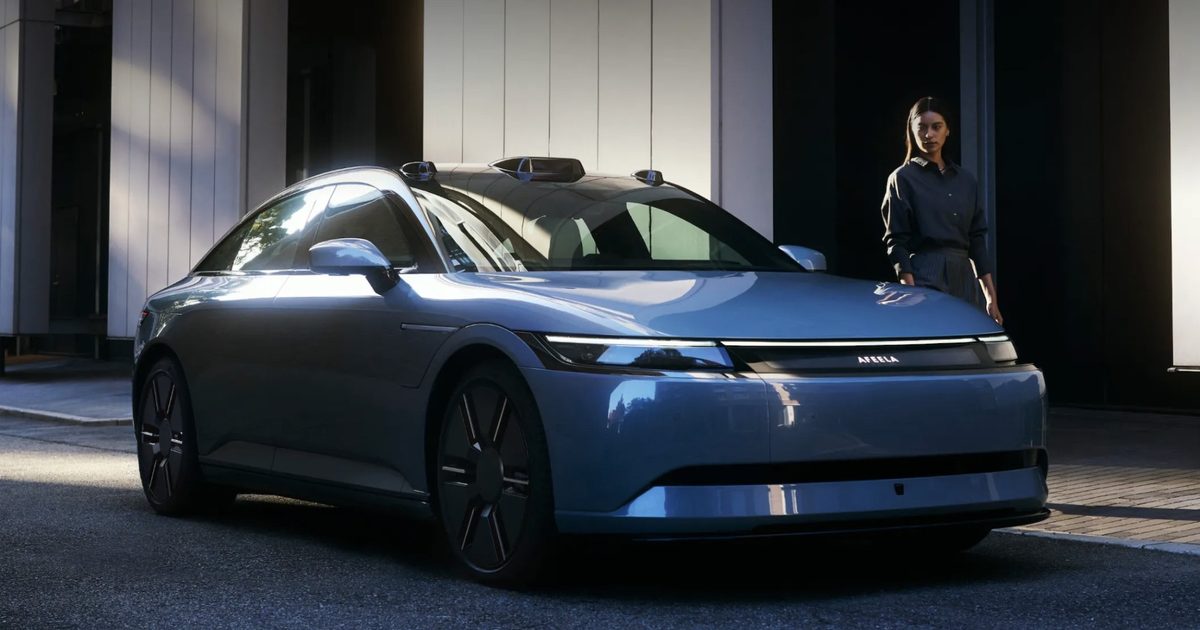

Sony and Honda’s shared dream of launching an electric car has just come to an end. The joint venture between the two brands — Sony Honda Mobility — has just announced that plans for the upcoming Afeela 1 electric car have been shelved. Additionally, the follow-up model has been nixed from the roadmap.
But why did the Afeela go?
As a result of Honda’s reassessment of its automobile electrification strategy,” the joint venture said, “SHM will not be able to utilize certain technologies and assets that were originally planned to be provided by Honda at the time of SHM’s initial business planning. In light of this change, SHM has determined that it does not have a viable path forward to bring the Models to market as originally planned.”
Earlier this month. Honda announced that it is calibrating EV plans and that restructuring will cost the company to the tune of $15.7 billion. The shift also marked the first time in the company’s history that it was making a loss. Honda poured plenty of cash into research and development for EVs, but as of 2025, electric cars only accounted for 2.5% of its global sales.
Not exactly a surprise
SHM won’t be the only label to scale back its electric car ambitions. Ford announced charges worth over $19 billion as part of its EV strategy rethink just a few weeks ago. Ferrari delayed its electric supercar to 2028, while Porsche also delayed its EV plans while abandoning a hyped battery project, too. The Afeela was a hyped project, following its public appearance at numerous public showcase events, and its cancellation once again casts doubts over the current EV market.
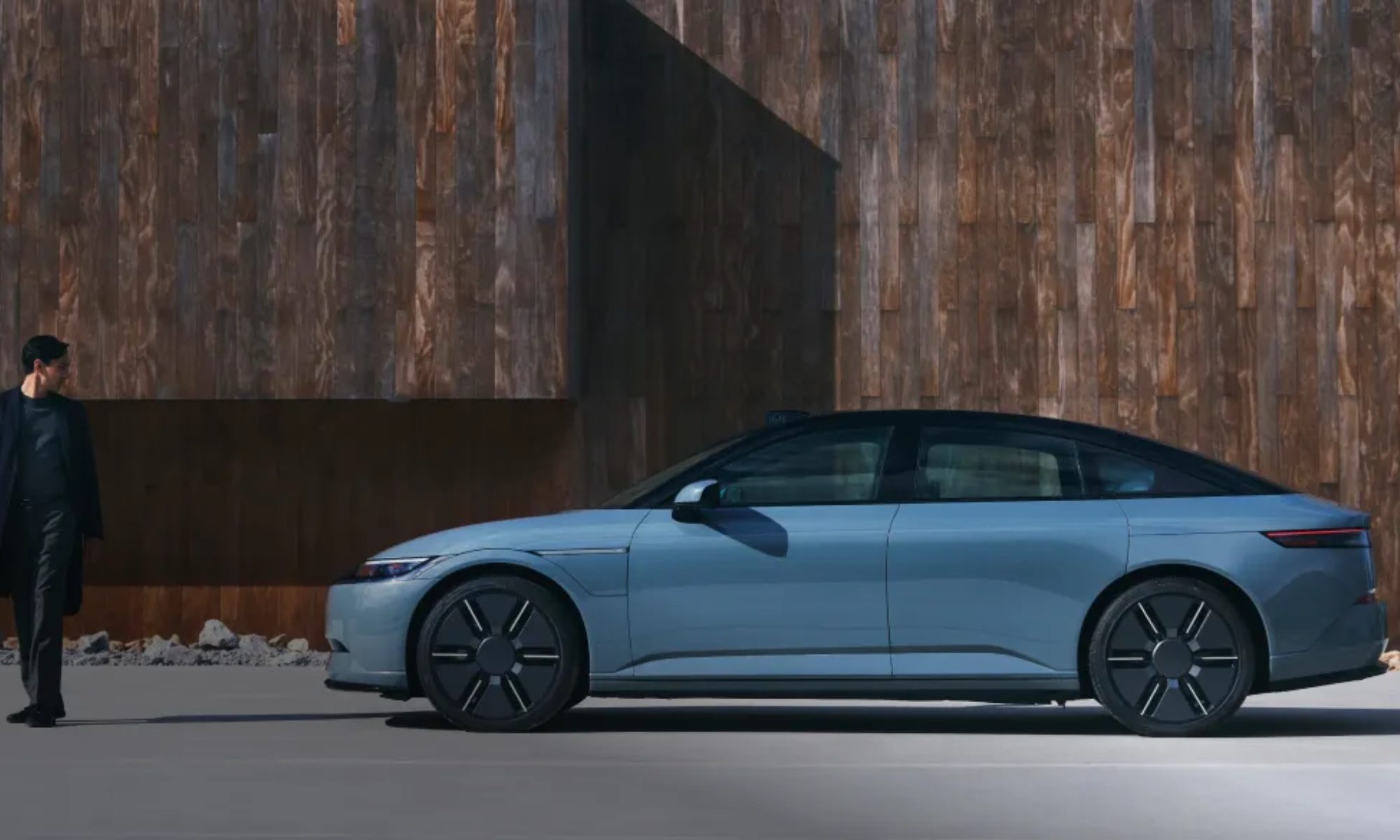
The joint venture will return the reservation fee to folks who plonked cash for the doomed vehicle in advance. On the other hand, Chinese EV labels continue to make progress. BYD overtook Tesla as the biggest EV brand in the world, while its tech stack — the megawatt charging stations and flash batteries — has left its Western rivals far behind.
Read the full article here