





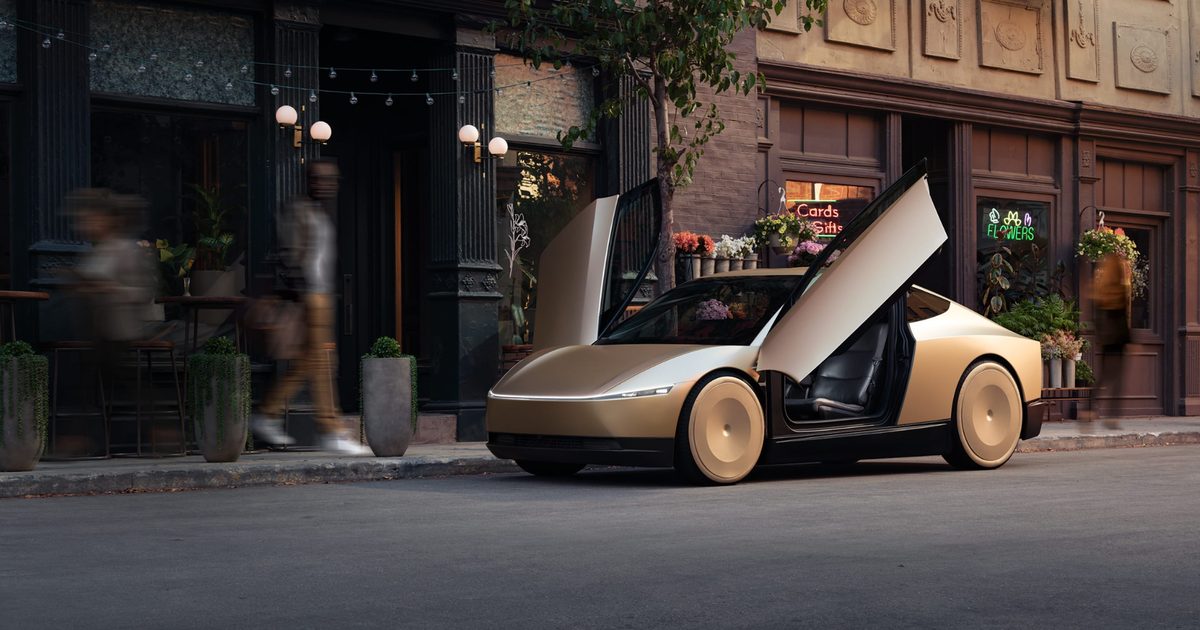

Tesla’s futuristic Cybercab robotaxi project is making increasingly visible progress on public roads. As shared by Matt Barge and dennis hegstad on X, multiple prototype vehicles have been spotted navigating regular traffic in Austin, Texas. These sightings suggest that the electric vehicle maker is ramping up real-world testing as it prepares for broader validation ahead of a planned production kickoff in 2026.
The Cybercab has long been teased as a purpose-built autonomous ride-hailing vehicle with a radical design that strips away steering wheels and pedals. To bring you up to speed, Tesla first unveiled the Cybercab concept in 2024 as part of its broader vision to transform transportation through autonomous mobility. Unlike traditional robotaxi tests that retrofit existing models like the Model Y, the Cybercab is being engineered from the ground up for autonomy, with a simplified architecture intended to cut production costs and accelerate scaling. Industry watchers see these public tests as an important step toward proving the vehicle’s capabilities outside controlled environments.
What These Road Tests Mean
Seeing the Cybercab prototypes on actual streets isn’t just about cool visuals. It signals that Tesla is moving beyond closed tracks and internal validation toward gathering the kind of real-world data that regulators and engineers both need. Frequent sightings of more than one vehicle at a time suggest coordinated tests that might evaluate how a fleet of robotaxis behaves in live traffic conditions.
For residents and tech observers in Austin, this phase of testing gives the first glimpse of how autonomous ride services could integrate with daily life. It also reflects Tesla’s ongoing commitment to autonomy as a major part of its future strategy. CEO Elon Musk has previously outlined plans for production to begin around April 2026 at Gigafactory Texas, where the company hopes to build the Cybercab at scale alongside its other EV lines, including the Tesla Roadster.
There are still hurdles ahead, including regulatory approval and technical validation to ensure safety and reliability in diverse urban conditions. But the fact that these robotaxi prototypes are already among everyday vehicles on Austin’s roads marks a clear step forward. For anyone curious about where the future of autonomous transport may be headed, these sightings are worth watching closely as Tesla continues its rollout path into 2026.
Read the full article here