




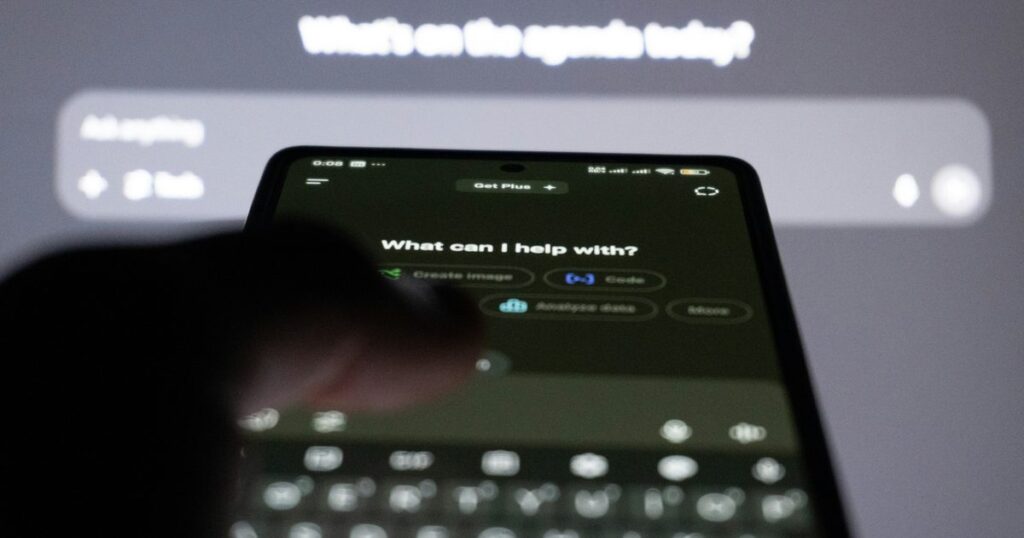

It has become increasingly common for people to confide in or share sensitive personal information with AI chatbots like ChatGPT. Some use it to unpack relationships, while others discuss sensitive messages or work-related documents. Many have even turned to such services for medical diagnosis. This intimacy, though, creates an uncomfortable new problem. A private ChatGPT conversation isn’t necessarily a legally protected one.
The Washington Post reviewed public records and local reporting and found chatbot conversations cited in 12 civil and criminal court cases over the past two years. The real number could be considerably higher because…
Read the full article at DIGITALTRENDS.COM