

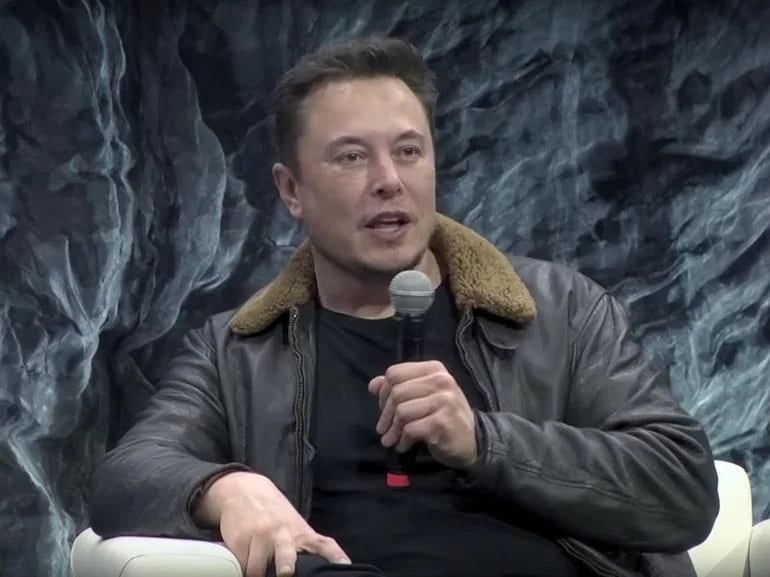

Elon Musk has unveiled a new chip manufacturing effort in Texas that ties together Tesla, SpaceX, and xAI under a project he calls Terafab.
The plan starts in Austin with what Musk described as an “advanced technology fab” built to make and test many kinds of chips. He said the broader push is aimed at supporting growing demand for semiconductors tied to robotics, AI, and space-based computing.
How Musk’s companies are lining up around Terafab
Bloomberg reported that Musk said the project would kick off in Austin and be jointly run by Tesla and SpaceX, with xAI also tied to the effort. Musk said the Austin site would be the first step, not the full buildout, and described it as an advanced-technology facility rather than the final large-scale factory.
Musk is trying to create a shared semiconductor pipeline for several of his companies at once, linking Tesla’s robotics and vehicle ambitions, xAI’s computing demands, and SpaceX’s long-term push into data-heavy systems. The chips are intended for robotics, artificial intelligence, and space data centers, putting the project squarely in the middle of Musk’s current AI strategy.
Austin is also only part of the picture. Musk said the first site there would handle advanced chip design and testing, while the full Terafab buildout would require far more land and power. That suggests the Texas facility is the opening move in a larger manufacturing plan, not a complete one-campus operation for all three companies.
Why the project matters beyond Austin
The core idea behind Terafab is tighter control over hardware. Tesla needs more computing power for self-driving systems and Optimus, xAI needs more AI infrastructure, and SpaceX has a growing interest in space-based compute and communications. A shared chip effort gives Musk a way to bring more of that work in-house rather than relying entirely on outside suppliers.
That is also where the stakes rise. Building semiconductors at scale is expensive, technically demanding, and slow. Bloomberg noted that Musk does not have a semiconductor manufacturing background, and the project remains short on key specifics, including cost, production timing, and the final location of the largest fab.
Still, the announcement fits a broader pattern. Musk has spent years pushing for more vertical integration across his businesses, and chips are becoming one of the most strategic pieces of that effort. Terafab provides him with a framework to integrate AI, robotics, vehicles, and space infrastructure into a single hardware push.
If the plan moves beyond Austin and into full-scale production, it could become one of the most ambitious semiconductor projects attached to a single group of companies. For now, though, Terafab is best understood as an early but serious step toward building more of Musk’s AI hardware stack in-house.
Also read: Nvidia’s new space-ready AI platforms show how competition is building around orbital computing infrastructure.
Read the full article here