




Meta built its smart glasses around a camera. Now, as privacy concerns follow the devices into more public spaces, the company may be ready to take the camera out of the picture.
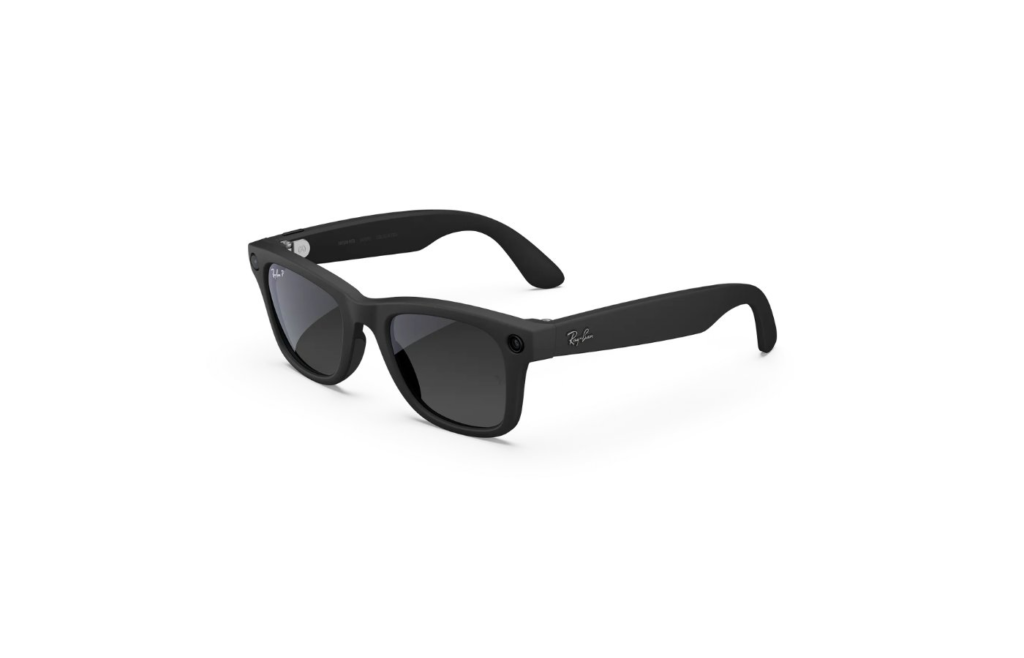
Meta is reportedly developing Luna, a camera-free pair of smart glasses that would swap visual capture for six microphones, speakers, and voice access to Meta AI and Muse. Reuters, citing The Information, said Meta could unveil the glasses at Connect on Sept. 23 and 24, with shipments targeted for October.
The shift could make the devices easier to accept in workplaces and public settings, though microphones still raise privacy questions of their own.
Luna reportedly trades cameras for six microphones
Luna will reportedly use six built-in microphones to let users interact with Meta AI and Muse, Meta’s newly launched consumer AI agent.
Reuters noted that Speakers similar to those in Meta’s existing glasses would handle audio, while a side button would provide quick access to Meta AI. Meta did not immediately respond to the publication’s request for comment.
Engadget said that Luna could arrive in two styles, Clubmaster and Burbank. Removing the camera has also reportedly allowed Meta to slim down the temples, making the glasses look closer to ordinary eyewear.
The reported design suggests Meta may be testing how “smart” a pair of glasses actually needs to be. Without a camera, Luna would lose photo and video capture, along with features that depend on seeing the wearer’s surroundings, but it would keep voice access to Meta AI and Muse.
If the product launches as reported, its appeal may depend less on what users can record and more on whether having an AI assistant within speaking distance is useful enough to justify another wearable.
Why removing the camera could ease privacy concerns
Meta’s existing smart glasses have faced criticism for their ability to discreetly record people, with the devices restricted in some courts and public places. Although the glasses use an LED to indicate when recording is active, users previously found ways to modify or obscure it, prompting Meta to update the software to block recording when the capture light is tampered with or removed, according to PCMag.
The Verge described Meta’s efforts to prevent hidden recording as a “cat-and-mouse game” with users seeking workarounds. Removing the camera from Luna would sidestep that particular problem instead of relying on another recording safeguard.
Camera-free glasses still raise workplace questions
Removing the camera addresses one privacy concern, but not all.
Six microphones would still leave questions about when the device listens, how voice interactions are processed or retained, and what information reaches Meta’s AI services. For IT teams, camera-free would not automatically mean workplace-ready.
Companies concerned about employees recording meetings, screens, customers, or restricted areas would have one less capability to account for. Before allowing Luna in sensitive environments, businesses may still want to know whether its AI functions can be restricted, how voice data is handled, and what privacy controls Meta provides to users or administrators.
Meta has not confirmed Luna, its price, final specifications, or release date. If the glasses surface at Meta Connect, one of the biggest questions will be whether removing the camera makes smart glasses easier for businesses and the public to accept without stripping away too much of what makes them useful.
Luna could offer an early answer. The camera may be gone, but with six microphones and AI reportedly taking its place, Meta would be changing the privacy equation rather than eliminating it.
Meta’s reported move to drop the camera comes as venues such as UK cinemas weigh new restrictions on its current smart glasses over piracy and privacy concerns.
Read the full article here