

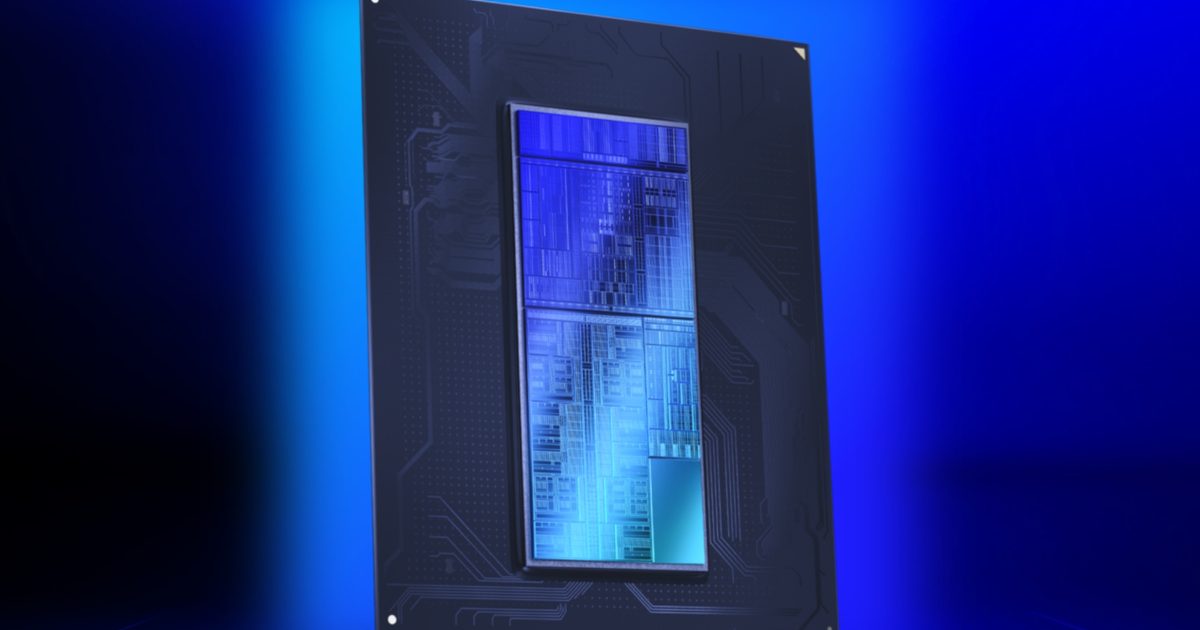

With the launch of its new Core Ultra 200HX Plus series today, Intel is cashing in on 40 years of workload-optimization experience in a single revolutionary feature — the Intel Binary Optimization Tool (IBOT).
The premise is quite interesting. Whether an app was built for an AMD chip or an older Intel architecture, or a game was built for a PlayStation, IBOT helps squeeze out more instructions per cycle to deliver better performance without requiring any developer patches.
How does Intel’s Binary Optimization Tool work?
IBOT works behind the scenes at runtime, re-optimizing apps and games (basically the code that makes up the software) that have already been built and shipped, without needing the original developer to change a single line of code.
It is an optional feature within Intel’s Dynamic Tuning Technology, which can be toggled via the Application Optimization mode. The new Core Ultra 200HX Plus series comprises two processors: Core Ultra 9 290HX Plus and Core Ultra 7 270HX Plus.
Now, to dump the technical jargon on you, the new 290HX Plus chip benefits from a 900 MHz boost to the die-to-die frequency, improving the CPU-to-memory link and reducing system latency. It delivers up to 8% faster gaming and 7% better single-thread performance over its predecessor.

Who gets the new Intel chips first?
For someone still using the 12th-gen Core i9-12900HX, the jump is considerably more dramatic. I’m talking about up to 62% faster gaming and 30% better single-threaded gaming. Connectivity options on the chipsets include Wi-Fi 7 and Bluetooth v5.4
Starting March 17, 2026, systems powered by the new Intel 200HX Plus family will be available from a variety of OEMs, including Alienware, ASUS ROG, Razer Blade, Lenovo Legion, HP OMEN, and MSI.
Clearly, Intel is placing IBOT as a cornerstone of its long-term performance roadmap. In a market where companies like AMD and Qualcomm are fighting to dominate laptops, Intel’s next big bet is to make everyone else’s optimization work for its chips.
Read the full article here