





After years of struggling, retreating, and re-emerging, Intel is once again entering the GPU market. The company plans to build GPUs at scale, a clear signal that it wants a serious seat at the tablet ruled by Nvidia and AMD.
Intel’s CEO, Lip-Bu Tan, said that the company has hired a new chief architect to build graphics cards. “I just hired the chief GPU architect, and he’s very good,” Tan mentioned in a statement quoted by Reuters.
Why Intel can’t afford to ignore GPUs anymore
GPUs are no longer optional in the AI-driven industry, even for the most prominent players in the CPU industry.
Whether it is to enhance a computer or laptop’s video editing or gaming capabilities or to build a massive AI data processing center, GPUs are the building blocks of the modern computing stack.
Intel seems to have understood it the hard way. For the last few years, the company has struggled with manufacturing delays, lost a significant market share to AMD, and missed key AI opportunities.
A serious GPU push could help the company restore relevance beyond CPUs.
The company’s renewed GPU push is primarily enterprise-focused, a market where Nvidia currently enjoys near-unchecked dominance.
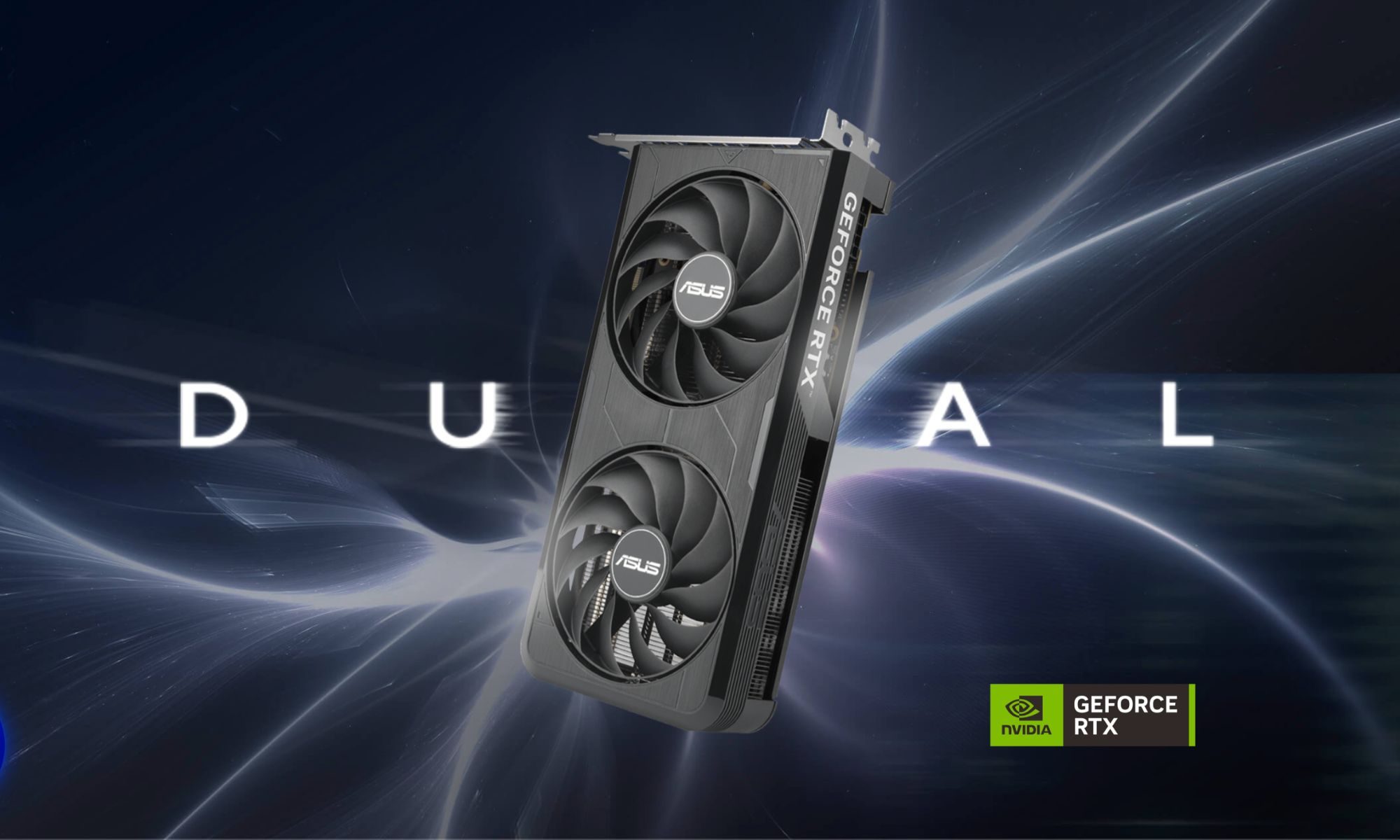
An enterprise-focused GPU roadmap
Consumer-grade GPUs might exist under the Arc brand, but they might not be the headline act, unless the company decides to revamp the Arc lineup.
Even though Intel’s efforts seem to be in the right direction, it appears the company is a tad too late in recognizing the importance of GPUs and in creating a lineup that’s attractive to enterprises around the world.
It might be a while before the company has models on offer, while the existing giants will continue to innovate and reap profits.
Even though the company hasn’t announced any launch dates, development is underway, with early platforms expected over the next few years.
Anyways, it’s clear that the company wants to be a full-stack silicon provider again. For now, it’s good to see the company committing to, not experimenting with, GPUs.
Read the full article here