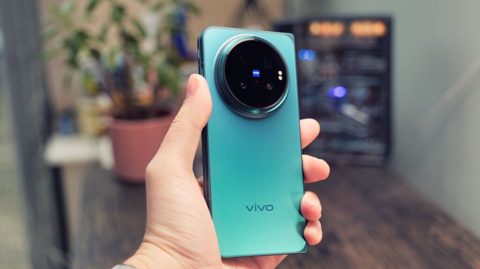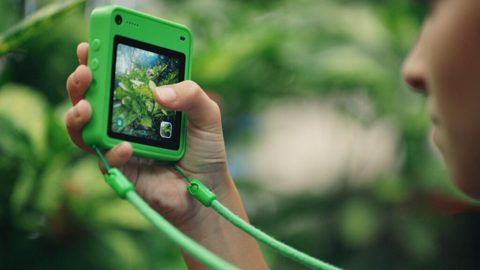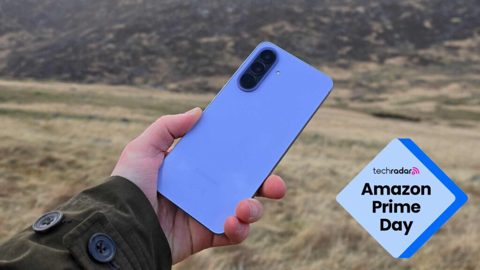



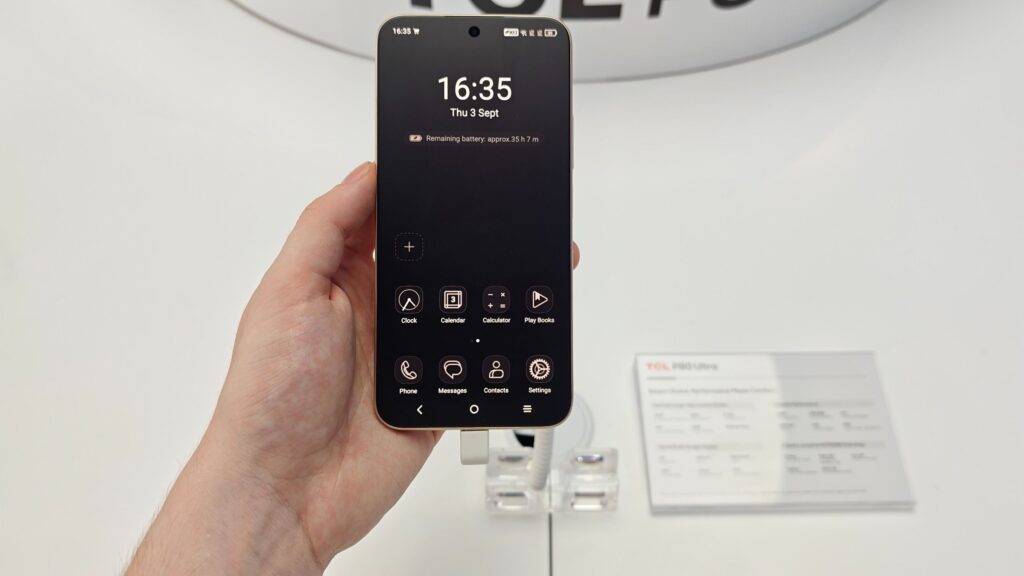

TCL has revealed its new P80 series of phones at the 2026 edition of IFA Berlin, and luckily, I’ve been able to try them for myself already.
The TCL P80 Ultra, P80 Pro, and P80 were all on display, and I was genuinely impressed by all three devices. But it was the first two models that really caught my attention. And that’s because the P80 Ultra and P80 Pro combine a vivid, eye-catching AMOLED display with TCL’s nxtPaper technology, which offers a matte, paper-like display akin to something you’d find on an e-reader.
During my time at TCL’s showcase, I also managed to get hands-on with its nxtPaper-equipped tablets, and I have a fair few thoughts to share about them too. So, here’s everything you need to know about TCL’s all-new nxtPaper devices.
Latest Videos FromTechRadar
AMOLED and nxtPaper: the best of both worlds
By combining AMOLED and nxtPaper technology, the more premium P80 handsets appeared to deliver very solid contrast and color while also providing benefits such as reduced glare and reflections.
When I was using the phone for drawing, watching a video, or scrolling, I found it to be perfectly clear and capable of plating up eye-catching colors — as you’d expect from a standard AMOLED phone. But at the mere flick of a switch (on the side of the phone), I was able to enter an e-reader mode, and this felt excellent to use.
There were two main modes available with the nxtPaper key switched on: Max Ink Mode and Paper Mode. Max Ink Mode is intended to minimize distractions and power consumption for the purest reading experience, while Paper Mode is intended to recreate a paper-like feel and harness customizable eye-care settings.
The Max Ink Mode was my go-to, and when reading text on either the P80 Pro or Ultra, the black-and-white display made viewing text incredibly seamless and focused — almost as if I was reading on a Kindle.
On top of this, the P80 line offers a pretty solid set of specs. The leading model, the P80 Ultra, has a 6.83-inch AMOLED display with a peak brightness of 3,200 nits and a 1.5K resolution. It also boasts a 120Hz refresh rate, ultra-thin 1.38mm bezels, and a 5,800mAh battery. It’s got a seemingly strong camera line-up, too, with a 50MP main lens, 50MP periscope telephoto, an 8MP ultra-wide, and a 32MP front camera.
The P80 Pro is very similar, but skips the periscope telephoto camera; the P80 strips things back even further with no nxtPaper switch and a bit less power. This is reflected in the prices, however, with the P80 Ultra starting from €549 (about $640 / £470 / AU$890), the P80 Pro available for as little as €429 (about $500 / £370 / AU$690), and the P80 going for just €349 (about $400 / £300 / AU$570).
New Note and Tab slates continue to impress
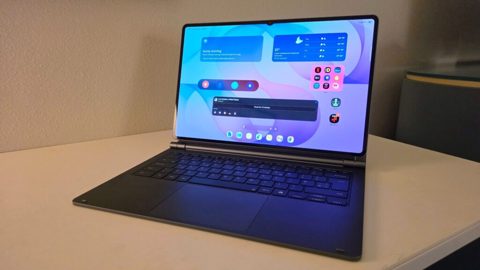
On top of TCL’s flashy new phones, I also got the chance to try out its tablets with nxtPaper technology. This included the TCL Tab A1 and larger A1 Plus, which are available with or without nxtPaper. But the model I really want to hone in on is the nxtPaper-equipped TCL Note A1.
I found each of these models to be absolutely beautiful to use, with smooth, responsive performance for basic tasks, video streaming on YouTube, and drawing, but the Note A1 was on another level.
It’s the more premium option, sure, but it was considerably nicer to use in my experience — especially for drawing. When using the accompanying stylus, it felt like I was getting the pleasing resistance and natural feel I’d expect from drawing on real paper. That meant that whether I was sketching or writing, the user experience was top-tier.
Other than that, the Note A1 packs a 1.5-inch, 120Hz display, a huge 8,000mAh battery, an octa-core processor with 8GB of RAM, and 256GB of storage for your apps, drawings, photos, and more.
Follow TechRadar on Google News and add us as a preferred source to get our expert news, reviews, and opinion in your feeds.
Read the full article here