





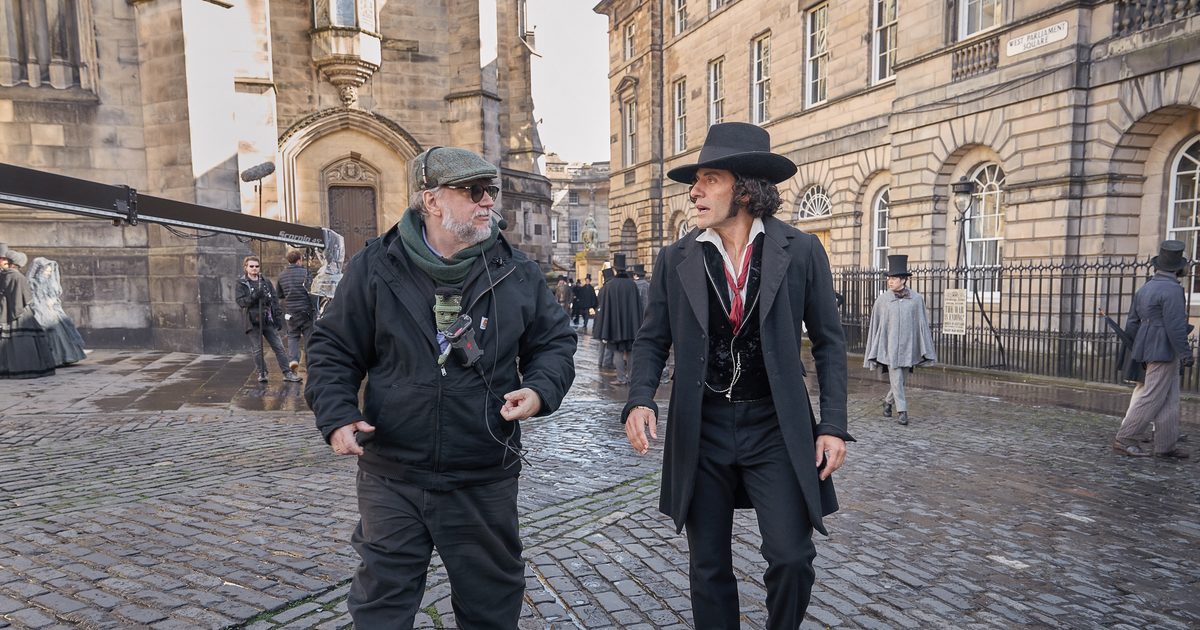

Guillermo del Toro finds beauty in monsters. It’s his superpower. In The Shape of Water, two social outcasts — a mute woman and an amphibious creature — fall in love. In Hellboy 2: The Golden Army, the extravagant Angel of Death represents fate versus free will.
In Frankenstein, del Toro has arguably crafted his most beautiful monster to date: the Creature. Played by a committed Jacob Elordi, the Creature is the invention of the brilliant but arrogant surgeon, Victor Frankenstein (Oscar Isaac). Crafted from the body parts of dead soldiers and criminals, the Creature is a work of art, a gentle giant with a tortured soul.
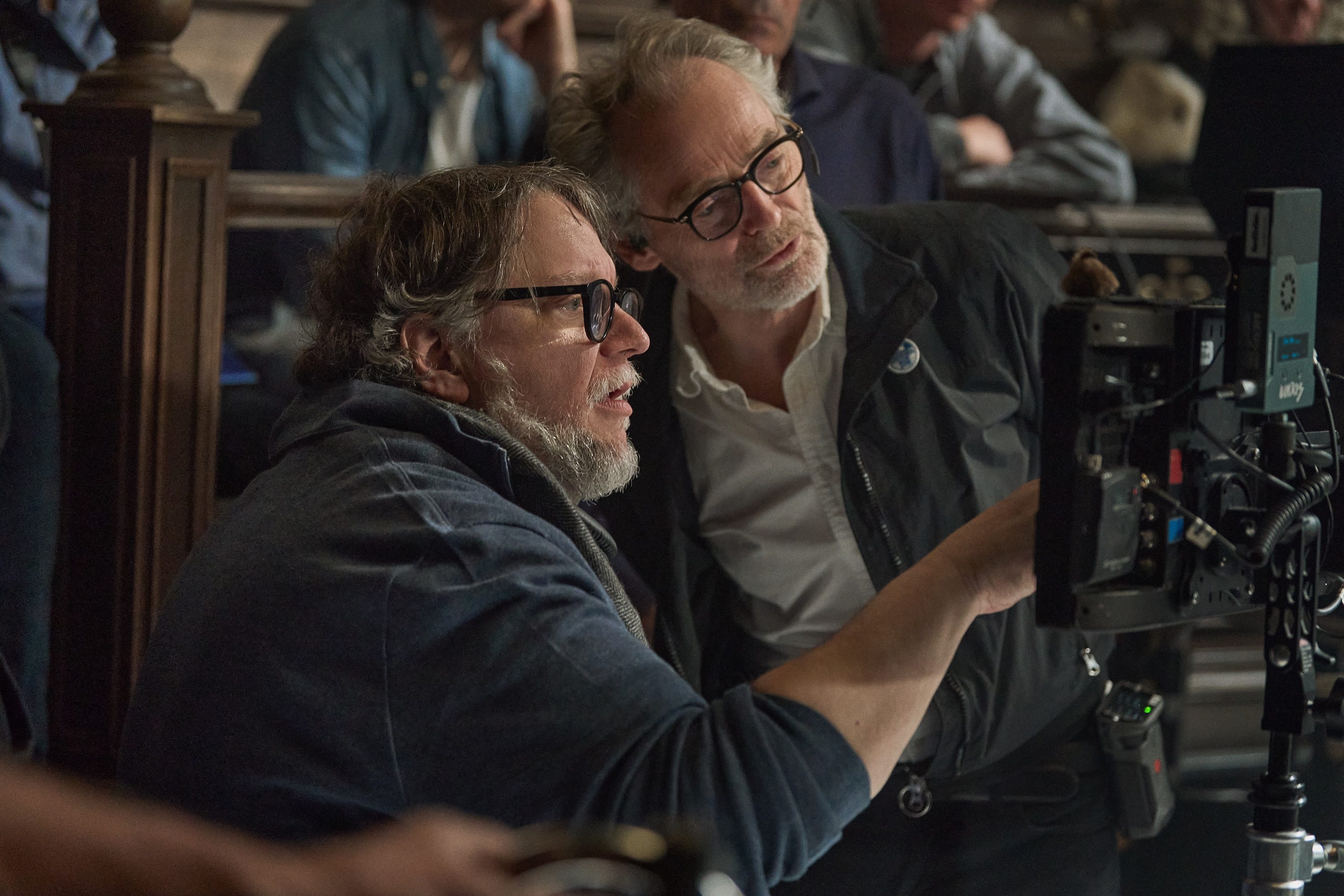
Del Toro remains the mastermind behind Frankenstein, and Dan Laustsen oversees the visuals. The Danish cinematographer played an integral role in executing del Toro’s vision, an idea the director has lived with his entire life. As Laustsen tells Digital Trends ahead, “This is Guillermo’s story.”
Frankenstein is Guillermo del Toro’s dream project
Laustsen first worked with del Toro on 1997’s Mimic, a sci-fi horror about killer insects that threaten to wipe out humanity. Right away, Laustsen learned two things about del Toro: his genius and his love for Frankenstein.
Laustsen said that del Toro called Frankenstein his “dream project.” Laustsen and del Toro would work together on three more movies after Mimic — 2015’s Crimson Peak, 2017’s The Shape of Water, and 2021’s Nightmare Alley. In 2023, del Toro received the green light from Netflix to adapt Mary Shelley’s defining novel and made the call to Laustsen.
“One day, he said, ‘We’re going to do that. I’m going to send you the screenplay.’ Of course, I was blown away because it’s a very cool and fantastic book,” Laustsen explained. “Then, I got the screenplay, and I was like, Oh, this is very, very interesting because that’s a totally different way to see it.”
Being that it’s their fifth movie together, Laustsen understands del Toro on and off the set. The two creatives have similar tastes in how they want to shoot a scene, resulting in a fruitful partnership.
“The way we see movies, the way we like movies, and the way we want to shoot them — we are very synchronized there,” Laustsen said. “We have the same style. We like the same things — deep shadows, bright highlights, and single-source light.”
Don’t be afraid of the darkness
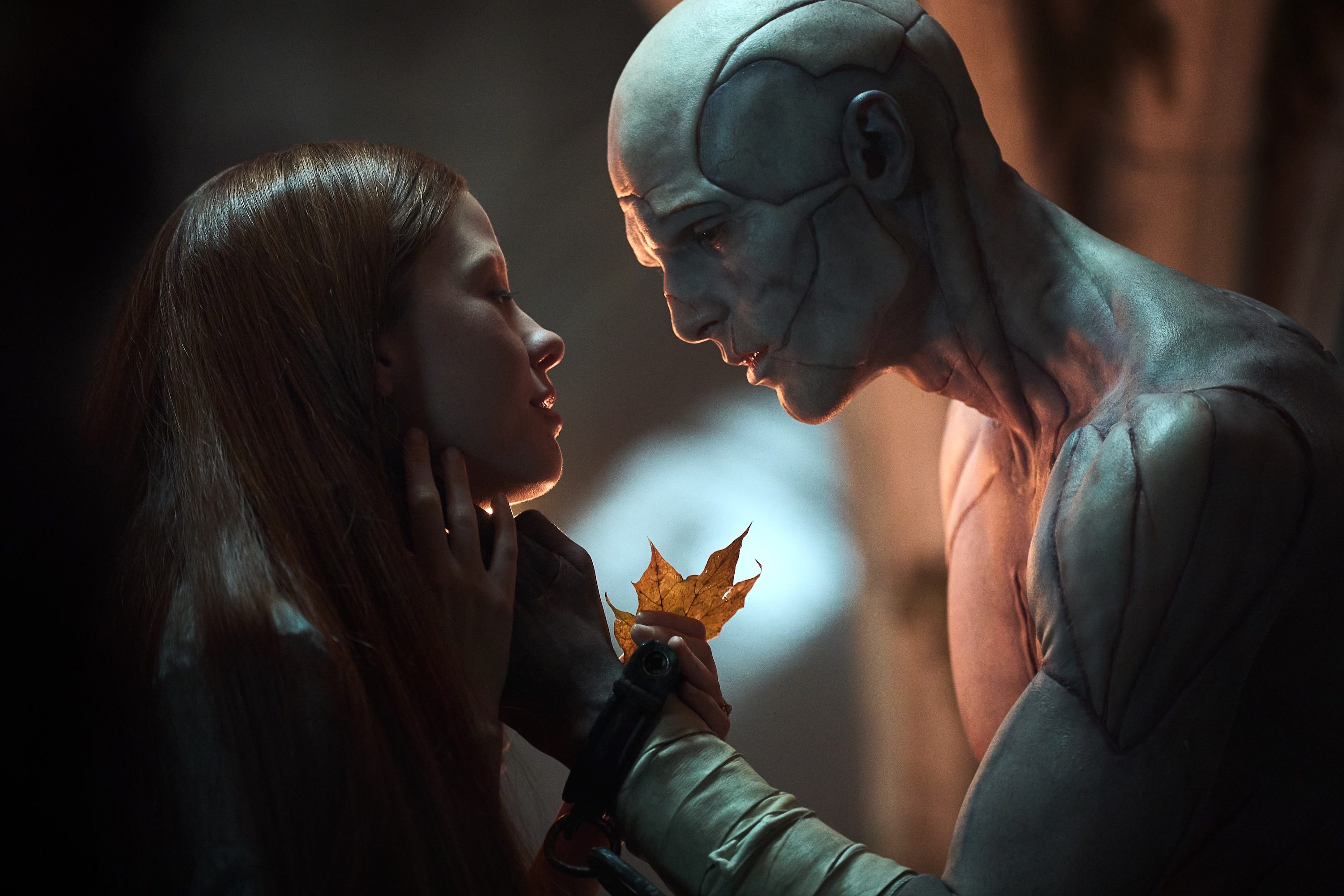
During our conversation, Laustsen recites an interesting note he received from del Toro: “Don’t be afraid of the darkness.” The darkness can refer to the lighting in a scene. In this case, darkness represents a feeling.
“It’s not a dark movie. We just like the mood,” Laustsen said. “It’s not like super dark. It’s not like you cannot see anything. We want to see the costumes. We want to see the cast. We want to see the sets because everything is so powerful and beautiful.”
Production designer Tamara Deverell crafted several breathtaking sets, including Frankenstein’s stunning lab and the massive whaling ship, the Horisont. To capture these vast spaces, Laustsen used a much wider angle than he previously used on other del Toro projects. This decision encouraged the actors to make the most of these massive spaces and own the scenery.
Laustsen’s cinematography also allows the vibrant costumes from Kate Hawley to shine like stars in the night sky. Del Toro deliberately uses luscious colors that pop off the screen — Victor’s bright red coat, Elizabeth’s electric blue dress, and the Creature’s jet black jacket. These powerful colors, combined with the natural light, created an atmosphere that popped off the screen.
“When you have so much richness in the black, all the color is pumping much more out,” Laustsen said. “I think that’s one of the reasons the color feels so strong, because you always have the contrast in the light.”
The heart of Frankenstein
In previous adaptations of Frankenstein, the Creature resembles a traditional antagonist, one motivated by hate and revenge. Del Toro’s Creature is more of a sympathetic figure, with Elordi’s career-defining performance earning much-deserved empathy from the audience.
Del Toro might not be afraid of the darkness, but his characters learn to embrace the light. Frankenstein’s final moments feature the Creature accepting the sunlight, a touching callback to his first moments with Victor.
“That was a very, very strong scene to shoot because, first of all, we knew that was the end sequence,” Laustsen said about the final scene. “Jacob was amazing there. He’s giving so much life to the creature. It’s so beautiful.”
On the surface, Frankenstein is a monster movie. Once you comb through the text and watch del Toro’s adaptation, you’ll find the beauty in the complex relationship between a father and son.
“The movie is about love and forgiveness,” Laustsen added. “That’s a very strong thing. In our days, where everything is so weird, I think it’s a very beautiful thing to be able to think about.”
Frankenstein is now streaming on Netflix.
Read the full article here