



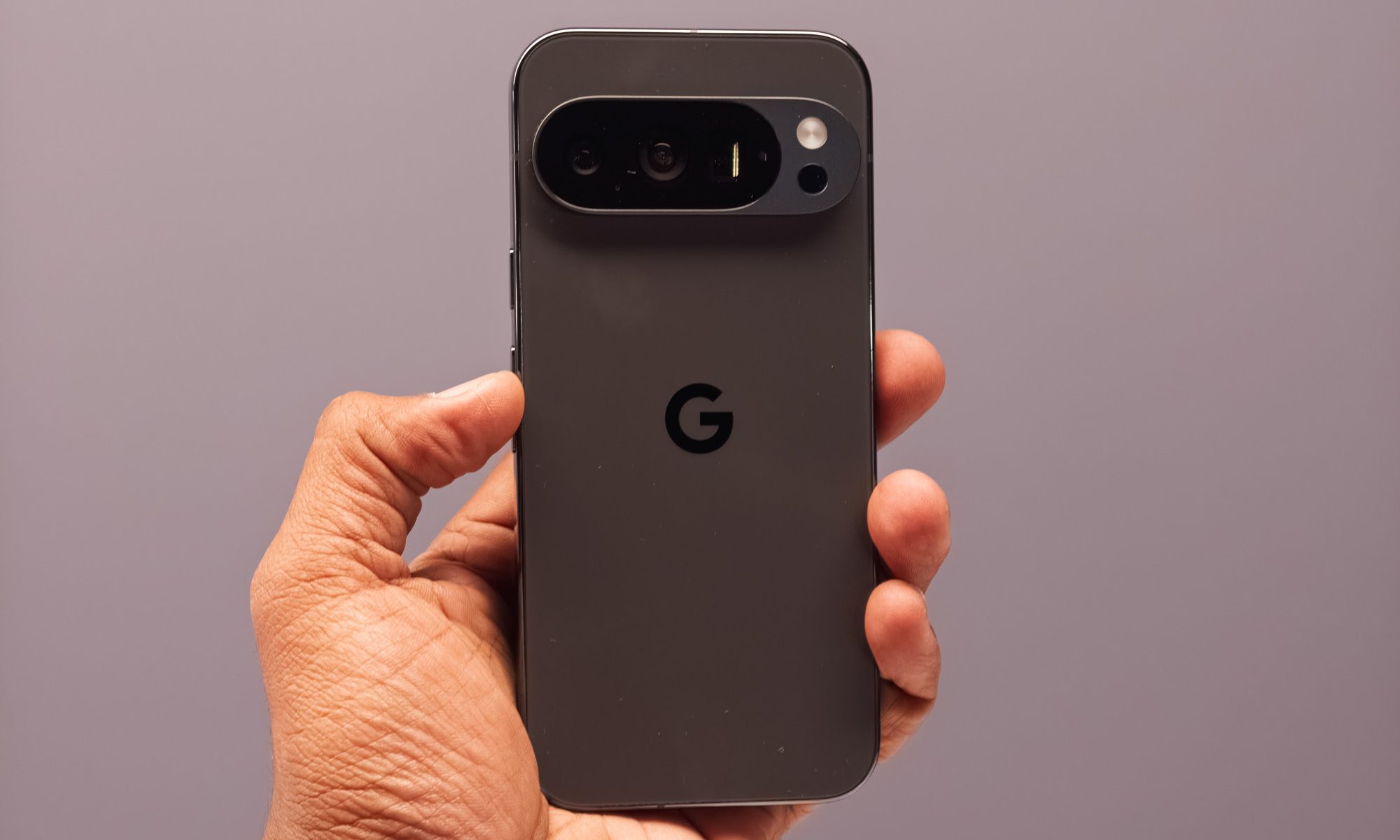

With the arrival of Pixel 10 series smartphones, Google switched to the newer (and faster) Qi2 wireless charging system, which also opened the doors for the magnet-driven Pixelsnap range of charging and protective accessories. However, the magnets also blocked the way for an extremely convenient power-sharing feature that has been available on Pixel phones for over half a decade.
What changed?
When the Pixel 5 landed, it introduced a Battery Share feature that allowed it to juice up another Qi-certified device, such as a phone or earbuds. All you had to do was place the drained device on the Pixel phone’s rear shell, and it would start sharing power via wireless charging.
On the Pixel 10 series phones, Battery Share is not available, and it has to do with the magnets that enable Qi2 wireless charging in the first place. Google’s support page also confirms that battery share is available on all mainline Pixel smartphones dating back to the Pixel 5, except the Pixel 10 series, foldables, and the budget-centric Pixel-A phones.
Reverse wireless power sharing is a fairly convenient feature, and it has often saved me in scenarios where one of my accessories, such as earbuds or a smartwatch, was running low on battery juice. Samsung continues to offer this feature on its phones, including its latest Galaxy Z Fold 7 foldable phone.
Why is power sharing dead?
It seems the magnets positioned under the rear shell of a phone impede the transfer of power between the donor and recipient devices. The built-in magnets allow a tight position lock between a phone and a Qi2 charging accessory, but when it comes to charging another phone, it seems the lack of a bi-directional magnetic lock could be posing a hurdle for wireless power transfer.
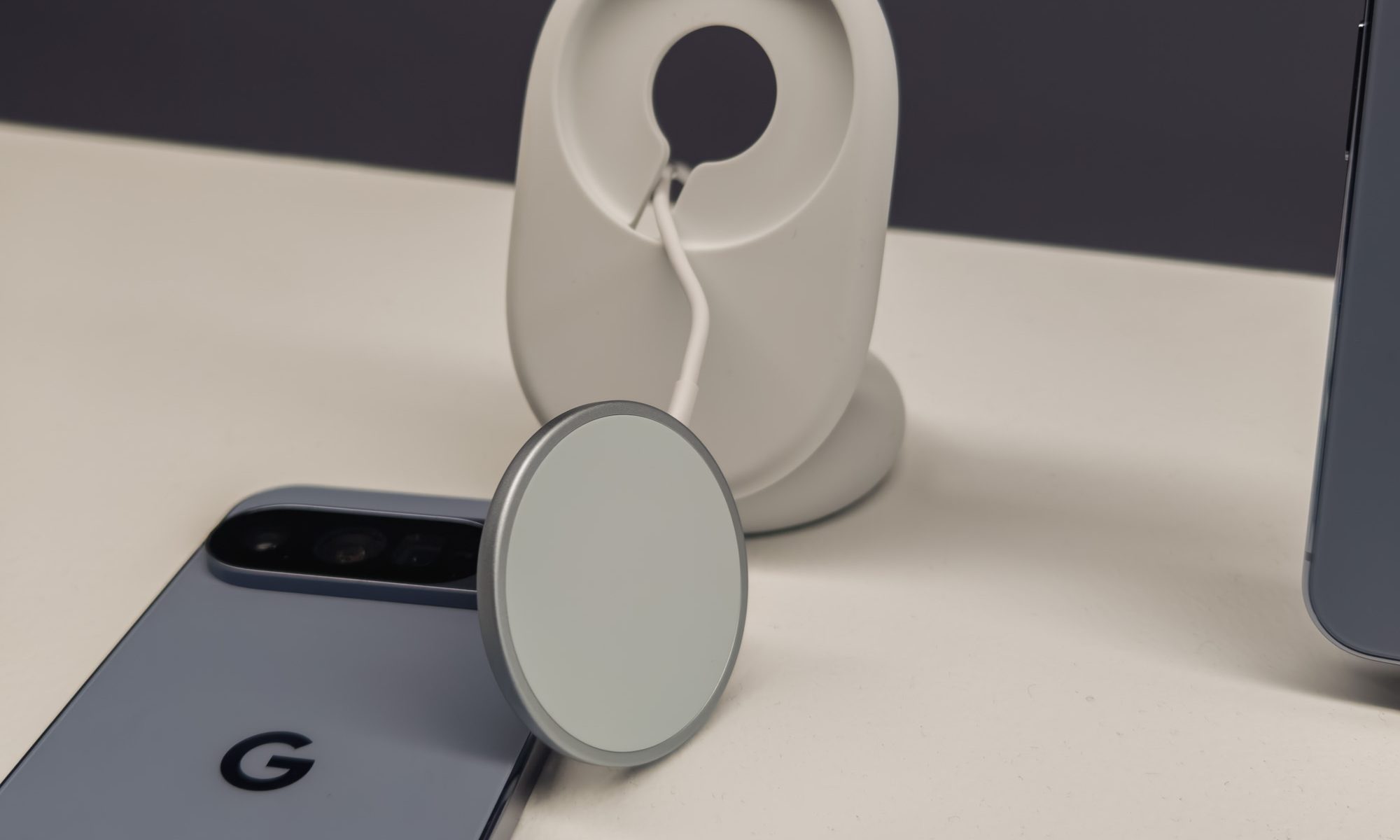
“The array of magnets creates a strong connection with the charger but presents a physical limitation for reverse wireless charging. While this means Battery Share is not currently available on the Pixel 10, we are constantly exploring future innovations to improve the Pixel experience,” Google said in a statement shared with Droidreader.
It would be interesting to see how the ecosystem evolves down the road as more Android smartphones follow in the footsteps of Google and land support for Qi2 wireless charging by fitting magnets near the wireless charging coil on the back. Will it be the end of reverse wireless power share? Only time will tell.
Read the full article here